

Turkish Lamb Stew Recipe with Vegetables
A good Turkish lamb stew recipe with vegetables should give you tender meat, soft vegetables, and a sauce worth chasing with bread. That is exactly why I love Kuzu Güveç. It feels rustic, rich, and deeply comforting without needing complicated steps.
The magic comes from layering lamb, eggplant, potatoes, peppers, tomatoes, onion, garlic, and pepper paste in one pot. Instead of drowning everything in broth, the stew slowly cooks in its own juices. The result is a thick, savory dish that tastes like it has been simmering in a Turkish home kitchen all afternoon.
Why This Turkish Lamb Stew Works So Well
Kuzu Güveç is different from many Western stews because the ingredients are not heavily browned first. The flavor builds inside the pot. Lamb sits at the bottom, vegetables release moisture from above, and the tomato-pepper sauce slowly moves through every layer.
I tested this style in a Dutch oven because many US kitchens do not have a traditional Turkish clay pot. The result still works beautifully. The key is using a heavy lidded pot that traps steam while allowing slow, steady heat.
This Turkish lamb stew recipe with vegetables also gives you balance. Lamb adds richness. Eggplant adds silkiness. Potatoes make it hearty. Tomatoes and pepper paste create the deep red sauce that makes güveç so satisfying.
What Makes Kuzu Güveç Different
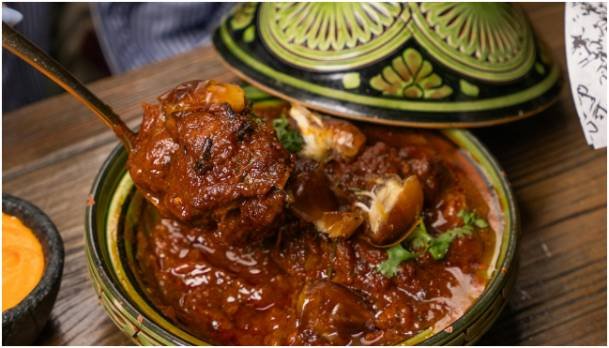
Kuzu Güveç is named after the clay pot traditionally used to cook it. In Turkish home cooking, this type of juicy, slow-cooked dish belongs to the world of sulu yemek, or dishes with sauce and cooking juices.
The Clay Pot Method
A clay güveç pot heats gently and holds moisture well. That slow heat helps lamb soften without drying out. Vegetables collapse into the sauce, but they still keep enough texture to feel generous.
The traditional method is simple. You layer raw meat and vegetables, cover the pot, and let time do most of the work. This is why the dish tastes homestyle rather than restaurant-polished.
The US Kitchen Shortcut
A cast-iron Dutch oven is the best substitute. It holds heat evenly, seals in moisture, and moves safely from stovetop to oven. If you do not have one, use a heavy oven-safe pot with a tight lid.
Avoid a thin baking dish for the covered cooking stage. It loses moisture too quickly and may leave the lamb tough before the vegetables finish.
Ingredients for Turkish Lamb Stew with Vegetables
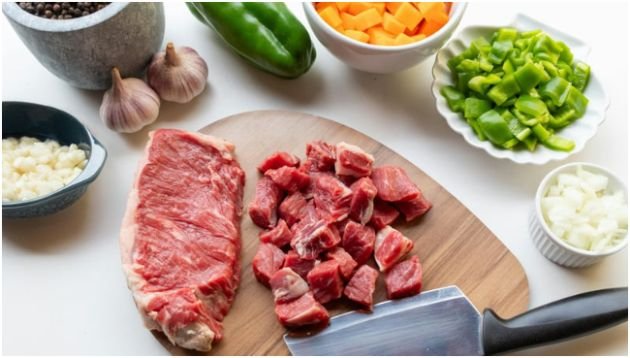
For the best flavor, use 750 grams, or about 1.6 pounds, of lamb shoulder or lamb leg cut into 1-inch cubes. Lamb shoulder gives the richest result because it has more connective tissue and becomes tender during slow cooking.
You will also need 1 tablespoon olive oil, 2 tablespoons butter, 1 large eggplant, 2 medium potatoes, 2 Turkish green peppers or red romano peppers, 3 ripe tomatoes, 1 yellow onion, and 5 garlic cloves.
For the sauce, mix 1 tablespoon tomato paste, 1 tablespoon Turkish red pepper paste, ⅔ cup hot water, 1½ teaspoons salt, ½ teaspoon Aleppo pepper flakes, 1 teaspoon dried thyme or oregano, and a little black pepper.
If you cannot find Turkish pepper paste, use mild red pepper paste or a mix of tomato paste and a small spoon of paprika. The flavor will not be identical, but it still gives the sauce warmth.
How to Make Turkish Lamb Stew Step by Step
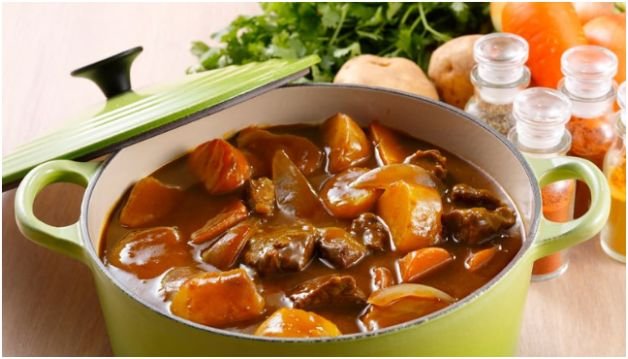
This Turkish lamb stew recipe with vegetables is easy, but the order matters. Layering helps each ingredient cook at the right speed and keeps the sauce rich instead of watery.
Make the Pepper-Tomato Sauce
Whisk tomato paste, red pepper paste, salt, and hot water in a small bowl. The sauce should look smooth and deep red.
Do not pour dry paste directly over the vegetables. It can stay clumpy and create uneven flavor. Whisking it first helps the sauce move through the pot.
Layer the Lamb and Vegetables
Grease the bottom of your pot with olive oil. Pat the lamb dry, season it with black pepper, and spread it evenly across the bottom.
Add potatoes over the lamb, then onions, garlic, eggplant, and peppers. Finish with chopped tomatoes on top. This order helps the denser vegetables cook closer to the heat while the tomatoes release juices from above.
Pour the sauce over the top. Dot the surface with butter, then sprinkle with thyme and Aleppo pepper.
Bake Until the Lamb Turns Tender
Place the covered pot on the stovetop over medium-high heat for 5 to 10 minutes. Once you hear bubbling, move it to a 400°F oven.
Bake covered for 1½ to 2 hours. Check the lamb with a fork near the end. It should break apart easily with light pressure. Food safety guidance for lamb cuts recommends cooking whole cuts to at least 145°F with a rest, but stewed lamb tastes best when cooked beyond basic doneness until fully tender.
Brown the Top and Rest the Stew
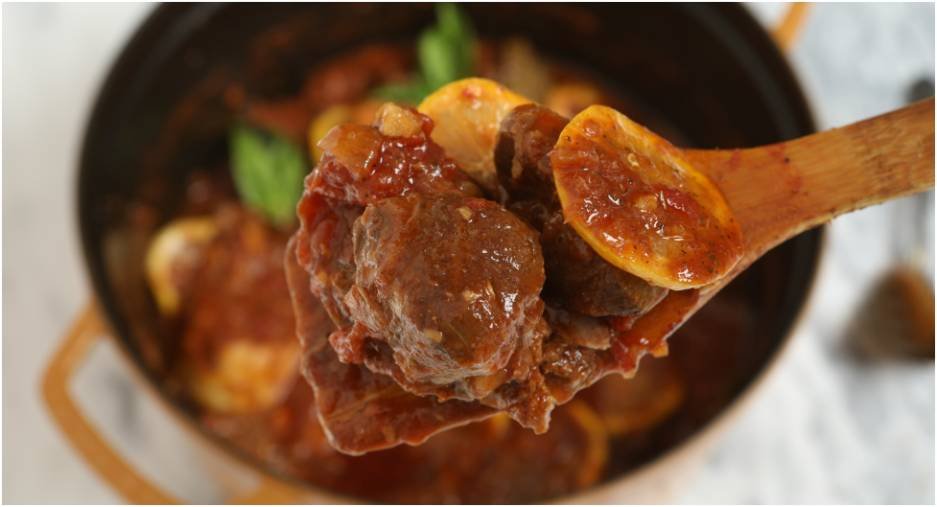
Remove the lid and bake for another 20 to 30 minutes. This step is where the dish changes from soft stew to rich güveç. The sauce thickens, tomato edges darken, and the vegetables gain caramelized tips.
Rest the stew for at least 20 minutes with the lid back on. I know it is tempting to serve it right away, but the rest makes the sauce settle and cling better to the lamb.
My Tested Tip for a Richer Sauce
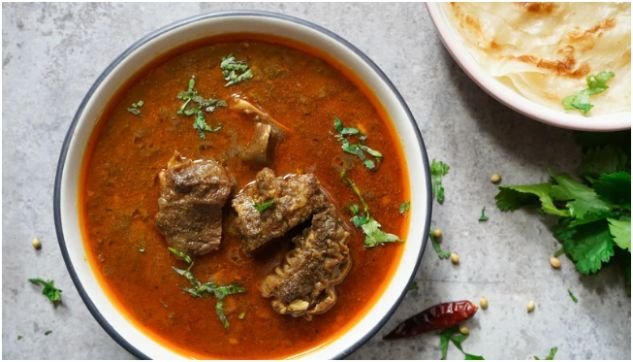
Here is the small detail that made the biggest difference in my kitchen: after uncovering the pot, I check the sauce depth.
If the sauce looks thin and high around the vegetables, I bake uncovered for the full 30 minutes. If it already looks thick and glossy, 20 minutes is enough. This simple check prevents watery stew without drying out the lamb.
I also prefer salting the eggplant lightly for 10 minutes if it looks very seedy. Then I pat it dry before layering. This keeps the sauce cleaner and less bitter, especially when using large grocery-store eggplants.
What to Serve with Turkish Lamb Stew
Rice pilaf is the classic choice. Turkish pilaf with vermicelli works especially well because the buttery rice absorbs the sauce without competing with it.
Warm pide, flatbread, or crusty bread is just as important. This stew produces the kind of tomato-lamb juices that should not be left in the bowl.
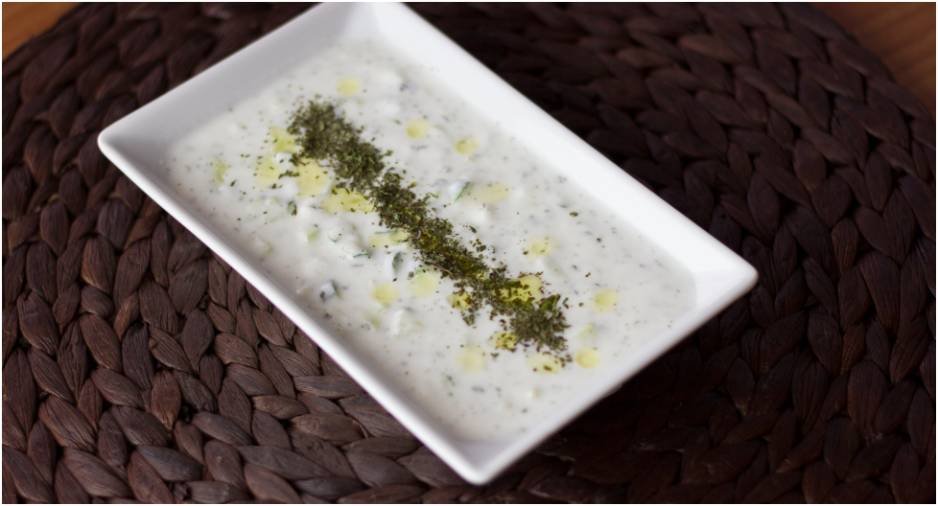
For a simple plate, serve it with pickled vegetables, plain yogurt, or a chopped cucumber and tomato salad. The acidity cuts through the lamb and keeps the meal from feeling heavy.
If you are building a full Turkish dinner, pair this stew with a lighter starter or a grilled dish. A homemade Turkish köfte recipe easy option works well when you want a meat-focused spread with different textures.
Other Traditional Turkish Stews to Try
Turkish home cooking has many sulu yemek dishes, and each one brings a different kind of comfort.
Hünkar Beğendi is richer and more imperial. It pairs slow-simmered lamb or beef with smoky eggplant purée, milk, flour, and cheese.
Tas Kebabı is a simpler beef or lamb stew cooked with onions, garlic, and tomato paste. It is often served with fried potato cubes and rice pilaf.
Etli Kuru Fasulye is a white bean stew with meat, tomato paste, and pepper paste. Many Turkish families serve it with pickles and bulgur pilaf.
Ali Nazik Kebab comes from Gaziantep and places stewed meat over smoky eggplant mixed with garlicky strained yogurt.
Sulu Köfte is lighter and more everyday. It uses small meatballs with rice or bulgur, simmered in a tomato broth with potatoes and carrots.
FAQs About Turkish Lamb Stew
1. What is the best cut for Turkish lamb stew?
Lamb shoulder is best because it becomes tender and flavorful during slow cooking.
2. Can I make Turkish lamb stew without a clay pot?
Yes, a cast-iron Dutch oven is the best US kitchen substitute for a clay güveç pot.
3. Can I add carrots to Turkish lamb stew with vegetables?
Yes, carrots work well, but cut them thick so they do not turn mushy.
4. Is Kuzu Güveç spicy?
It is usually mild to medium, depending on whether you use sweet or hot Turkish pepper paste.
Final Bite: This Stew Deserves the Good Bread
A proper Turkish lamb stew recipe with vegetables is not just about soft lamb. It is about that deep sauce, the sweet tomatoes, the silky eggplant, and the moment your bread hits the bowl.
My best tip is simple: do not rush the uncovered baking stage. That last 20 to 30 minutes gives the stew its bold, concentrated flavor. Serve it hot, let the bread do its job, and keep the leftovers for the next day because the sauce gets even better.