






Turkish Haydari Dip Recipe: Thick Yogurt Meze at Home
The first time I made this Turkish haydari dip recipe, I understood why it belongs on every proper meze table. It is cold, thick, garlicky, salty, herby, and rich enough to scoop with warm bread without sliding off the spoon.
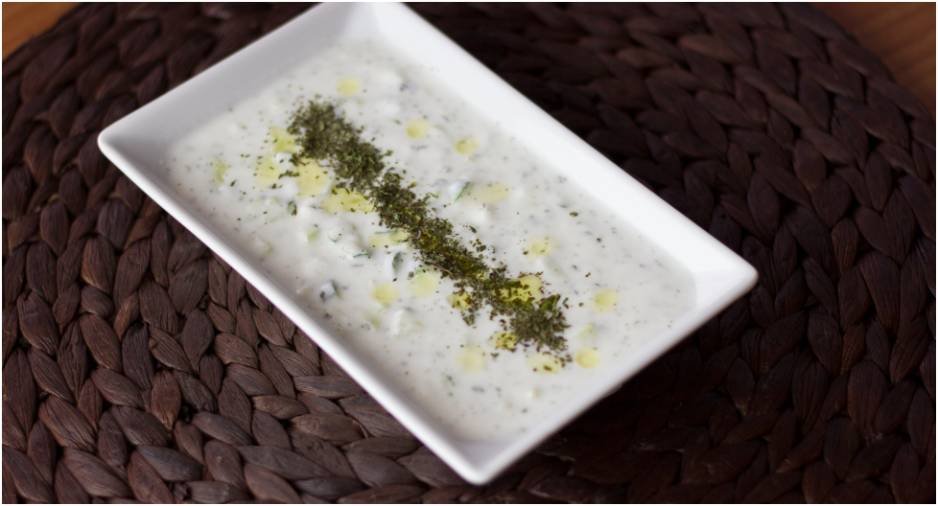
Haydari is a classic Turkish yogurt meze made with strained yogurt, feta or Turkish white cheese, garlic, dill, dried mint, olive oil, and butter. It looks simple, but the texture decides everything.
A good haydari should not feel like a loose sauce. It should sit proudly in the bowl with creamy swirls, a glossy olive oil finish, and enough flavor to wake up grilled meat, roasted vegetables, or plain pita.
What Makes Haydari Different From Other Yogurt Dips
Haydari often gets compared to tzatziki, but they are not the same dip. Tzatziki usually contains cucumber, which makes it fresher, lighter, and wetter. Haydari contains no cucumber, so the result is denser, richer, and more concentrated.
That missing cucumber is the whole point. Without extra water, the strained yogurt becomes the main character. The feta adds body, the garlic gives bite, and the dried mint brings that warm Turkish meze flavor. I like haydari when I want a dip that feels cool and creamy but still has serious depth.
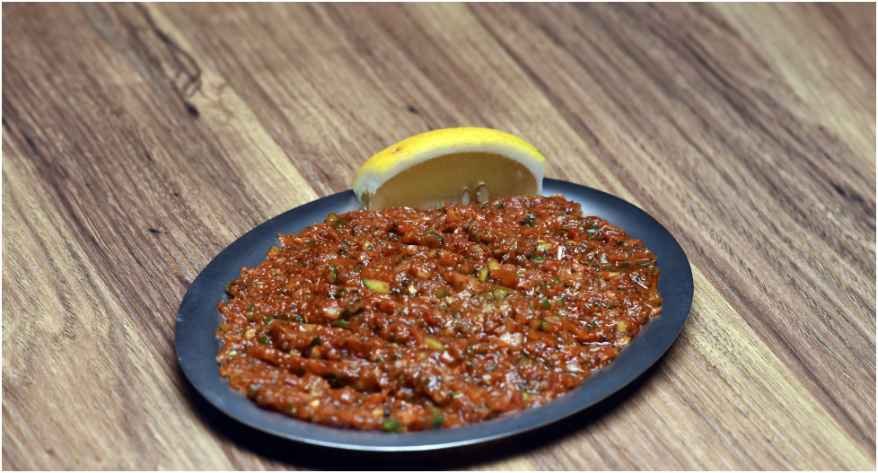
For a full Turkish-style spread, I also like pairing it with a bright, spicy side such as Turkish ezme salad recipe authentic. The contrast works beautifully because haydari is creamy and cooling, while ezme is sharp, juicy, and peppery.
Ingredients for an Authentic Turkish Yogurt Meze
The best haydari starts with a short ingredient list. Since there are no complicated cooking steps, every ingredient needs to work hard.
You will need 2 cups of thick strained yogurt, also called süzme yoğurt. Labneh works well too. If you only have Greek yogurt, strain it first. Add 50 grams of full-fat feta or Turkish beyaz peynir, 2 grated garlic cloves, 2 tablespoons of fresh dill, 1 to 2 teaspoons of dried mint, 1 tablespoon of butter, and 1 tablespoon of extra virgin olive oil.
For serving, use more olive oil, a little extra dill, and a pinch of Aleppo pepper or red chili flakes.
Best Yogurt for Haydari
Texture starts with the yogurt. Regular natural yogurt contains too much water, so it can make the dip thin and runny. Greek yogurt can work, but I strain it for at least 4 hours in a cheesecloth-lined sieve.
Süzme yoğurt or labneh gives the best result because both are already thick. The dip should feel closer to soft cream cheese than salad dressing. If your yogurt pours easily, it is not ready for haydari yet.
Why Feta, Dill, Garlic, and Mint Matter
Feta or Turkish white cheese adds salt, tang, and structure. I mash it before mixing because small cheese lumps can make the dip feel uneven. Full-fat cheese tastes better here because low-fat cheese can feel dry and chalky.
Fresh dill gives haydari its clean herbal lift. Dried mint adds warmth and intensity. I use dried mint inside the dip because its flavor is stronger than fresh mint. Fresh mint works better as a garnish if you want extra color.
Garlic should be grated or crushed into a paste with a pinch of salt. Big garlic pieces taste harsh. A smooth garlic paste spreads evenly through the yogurt and gives every bite the same punch.
How to Make Turkish Haydari Dip Step by Step
This Turkish haydari dip recipe takes about 10 minutes of active work, but I always chill it before serving. That short rest makes the garlic, mint, cheese, and dill taste more balanced.
Bloom the Garlic and Dried Mint
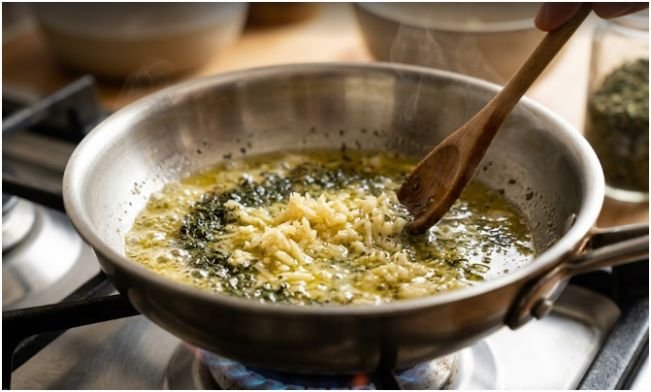
Melt 1 tablespoon of butter with 1 tablespoon of olive oil in a small pan over low heat. Add the grated garlic and dried mint. Cook for 1 to 2 minutes, just until fragrant.
Do not brown the garlic. Burnt garlic turns bitter fast, and haydari should taste bold, not sharp in a bad way. Once the mixture smells warm and minty, remove it from the heat. Let it cool completely before adding it to the yogurt.
This step is small, but it changes the dip. Blooming dried mint in fat helps release its aroma. It also softens the garlic, which makes the final dip taste rounder.
Mash the Cheese for a Creamier Texture
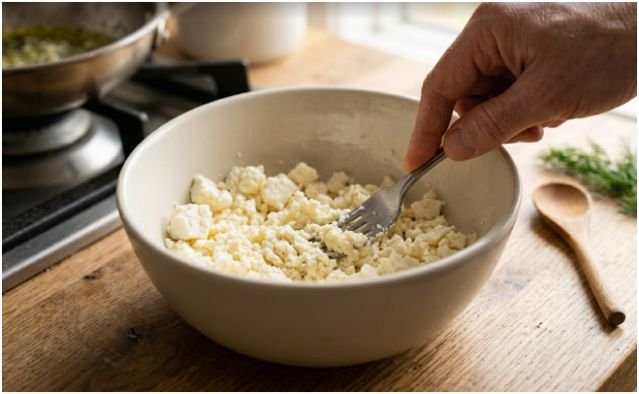
Place the crumbled feta in a medium bowl. Mash it with the back of a fork until it becomes a rough paste.
I do this before adding the yogurt because it gives me more control. Once the yogurt goes in, it becomes harder to break down the cheese. A smoother cheese base creates a more velvety dip.
Mix, Chill, and Finish the Dip
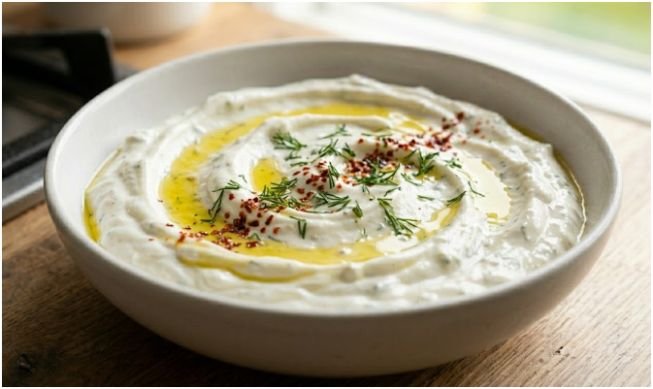
Add the strained yogurt, chopped dill, and cooled garlic-mint oil to the mashed cheese. Stir with a spoon or whisk until the mixture looks smooth and thick.
Taste before adding salt. Feta can be salty enough on its own. I usually add only a tiny pinch, if any.
Transfer the dip to a shallow serving dish. Use the back of a spoon to create soft swirls on top. Cover and refrigerate for at least 30 minutes. Before serving, drizzle with extra virgin olive oil, sprinkle with dill, and add Aleppo pepper for color and gentle heat.
My Spoon-Ridge Test for Perfect Haydari Texture
My original test for haydari is simple: drag the back of a spoon through the dip after mixing. If the ridge holds for a few seconds, the texture is right. If it immediately levels out, the yogurt is too wet.
I tested this with regular Greek yogurt and strained Greek yogurt. The unstrained version tasted fine, but the dip spread across the plate within minutes. The strained version held its shape, clung to bread better, and tasted more concentrated.
That is why I never skip straining when I cannot find labneh or süzme yoğurt. Texture is not a small detail in haydari. It is the difference between a true Turkish yogurt meze and a loose garlic yogurt sauce.
What to Serve With Haydari
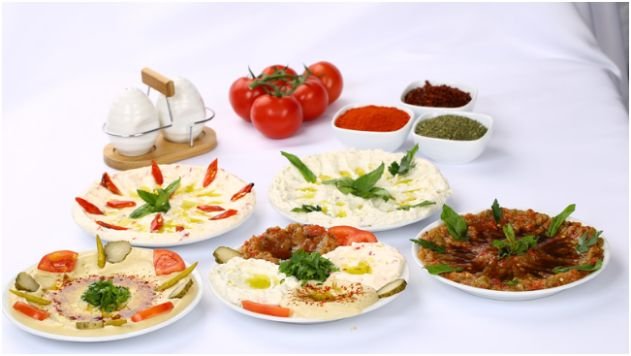
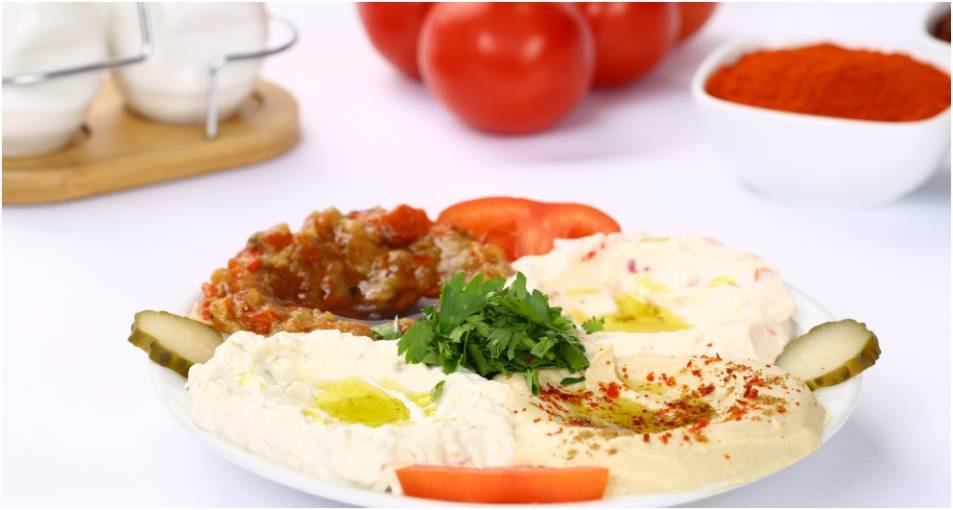
Haydari belongs on a meze table, but it also works as an easy side for everyday meals. I serve it with warm pita, bazlama, lavash, crackers, roasted carrots, grilled zucchini, cucumber sticks, and charred peppers.
It also tastes excellent with grilled chicken shish, lamb kebabs, turkish köfte, and roasted potatoes. The cold yogurt balances smoky, salty, and spicy foods. If I am building a small dinner spread, I add olives, sliced tomatoes, pickled peppers, and a bright chopped salad.
For a party, spread haydari in a wide bowl instead of serving it in a deep dish. The wider surface gives you more room for olive oil, herbs, and pepper. It also makes the dip easier to scoop.
Storage and Food Safety Tips
Haydari is a dairy-based dip, so keep it cold until serving. Store leftovers in an airtight container in the refrigerator. For best quality, I use it within 3 days.
Do not leave haydari sitting out for hours. Perishable foods should not stay at room temperature for more than 2 hours. If the room is very hot, that safe window gets shorter. Keep the refrigerator at or below 40°F to help maintain dairy safety.
If the dip releases a little liquid after chilling, stir it before serving. If it smells sour in an unpleasant way, shows mold, or has a fizzy texture, throw it away.
Common Mistakes That Make Haydari Watery
The most common mistake is using yogurt straight from the tub. Even thick yogurt can hold hidden whey. Strain it when in doubt.
Another mistake is adding hot garlic-mint oil directly to the yogurt. Heat can loosen the texture and dull the fresh flavor. Always cool the oil mixture first.
Too much olive oil inside the dip can also thin it out. Use the measured amount in the mix, then save the generous drizzle for the top. Finally, do not over-salt before tasting. Feta often brings enough salt on its own.
FAQs About Turkish Haydari
1. Is haydari the same as tzatziki?
No, haydari has no cucumber, so it is thicker, richer, and more cheese-forward than tzatziki.
2. Can I make a Turkish haydari dip recipe with Greek yogurt?
Yes, but strain the Greek yogurt for 4 hours first so the dip stays thick.
3. What can I use instead of feta in haydari?
Use Turkish beyaz peynir, labneh with extra salt, or another creamy brined white cheese.
4. How long should haydari chill before serving?
Chill it for at least 30 minutes so the garlic, dill, mint, and cheese flavors blend.
Final Bite: Cold, Creamy, and Fully Worth the Dill
Haydari is the kind of dip that makes a simple table feel planned. I love it because it takes basic ingredients and turns them into something cool, thick, and deeply satisfying.
My best tip is simple: strain the yogurt, cool the garlic-mint oil, and trust the spoon-ridge test. Once the dip holds its shape, finish it with olive oil and Aleppo pepper. Then grab warm bread before everyone else gets to the bowl first.