






Rustic Cooking Techniques for Healthier Meals: Traditional Methods That Still Work Today
There was a time when cooking was less about convenience and more about making the most of simple ingredients. Meals were prepared slowly, often using techniques passed down through generations. While modern kitchens offer countless shortcuts, many traditional cooking methods continue to deliver something valuable: better flavor, fewer processed ingredients, and a more natural approach to eating.
What makes rustic cooking so appealing today is that it doesn’t require expensive equipment or complicated recipes. These methods focus on working with whole foods, preserving nutrients, and letting ingredients speak for themselves. In a world where ultra-processed foods are everywhere, returning to traditional cooking methods can be a practical way to create healthier, more satisfying meals.
Why Rustic Cooking Still Matters?
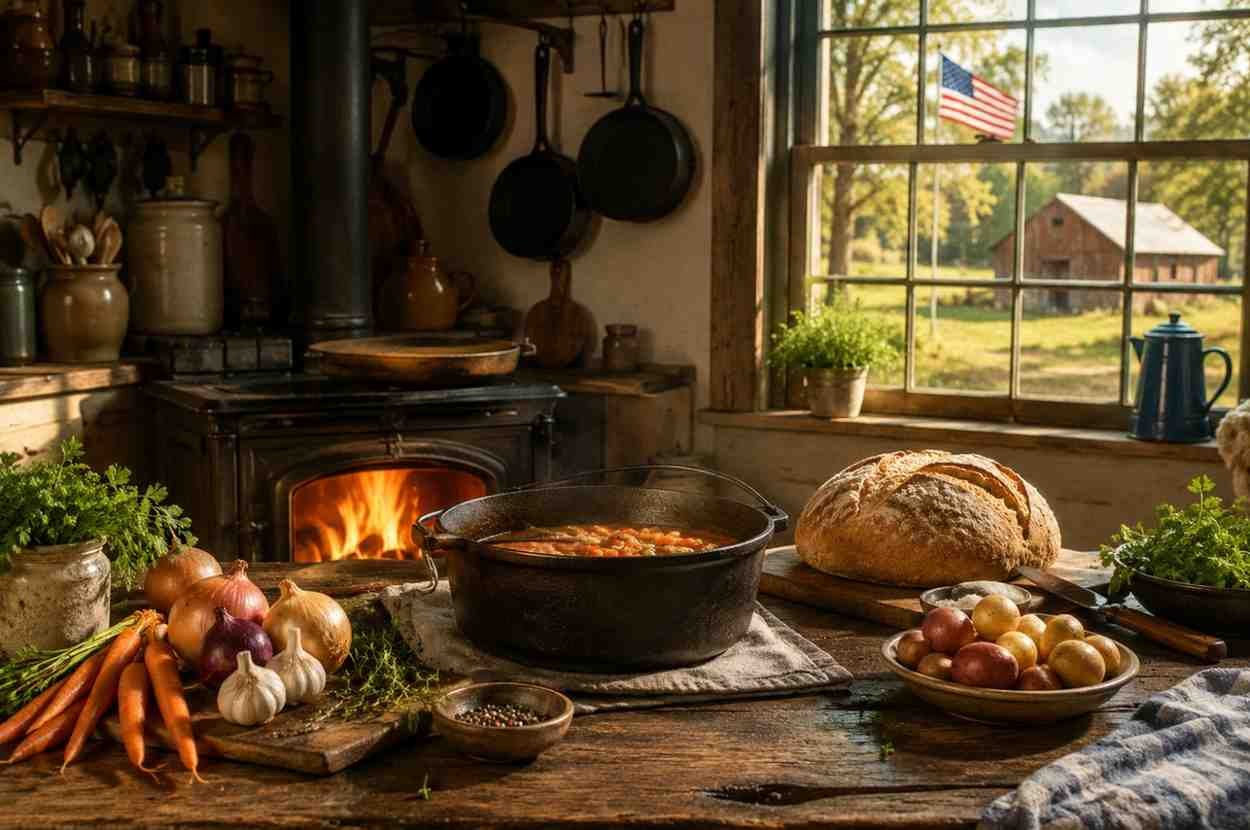
Many healthy cooking techniques promoted today are not new. Slow cooking, fermentation, roasting, and cooking from scratch have existed for centuries. These methods were developed long before packaged foods became common, and they often support better nutrition naturally.
Rustic cooking encourages the use of seasonal ingredients, whole food cooking, and minimally processed foods. Instead of masking flavors with additives, it relies on time, heat control, and simple preparation methods to create nutrient-rich meals.
The result is food that often contains fewer unnecessary ingredients while delivering deeper flavor and better texture.
Traditional Rustic Cooking Techniques That Support Better Health
Smoking and Air-Curing
Smoking and air-curing are among the oldest food preservation methods. While these techniques were originally used to extend shelf life, they also create distinctive flavors that reduce the need for heavy sauces and processed seasonings.
Wood-smoke infusion can add rich flavor to lean meats, fish, and even vegetables without introducing additional fats. Air-curing helps preserve proteins while maintaining many of the food’s natural nutrients.
When used properly, these traditional food preparation methods allow cooks to create satisfying dishes with fewer processed ingredients and less dependence on high-calorie flavor enhancers.
Open-Fire and Ash Cooking
Cooking over an open flame remains one of the most effective ways to develop natural flavor. Whether it’s roasting vegetables directly on hot coals or grilling meat over a fire, the high heat creates caramelization that enhances taste without requiring extra sugar or fats.
Vegetables like peppers, onions, and eggplants develop a smoky sweetness when cooked this way. At the same time, grilling allows excess fat to drip away from meats during cooking.
Many people who adopt wholesome cooking habits find that open-fire cooking helps them appreciate the natural flavors of food without relying heavily on processed condiments.
Clay Pot and Dutch Oven Cooking
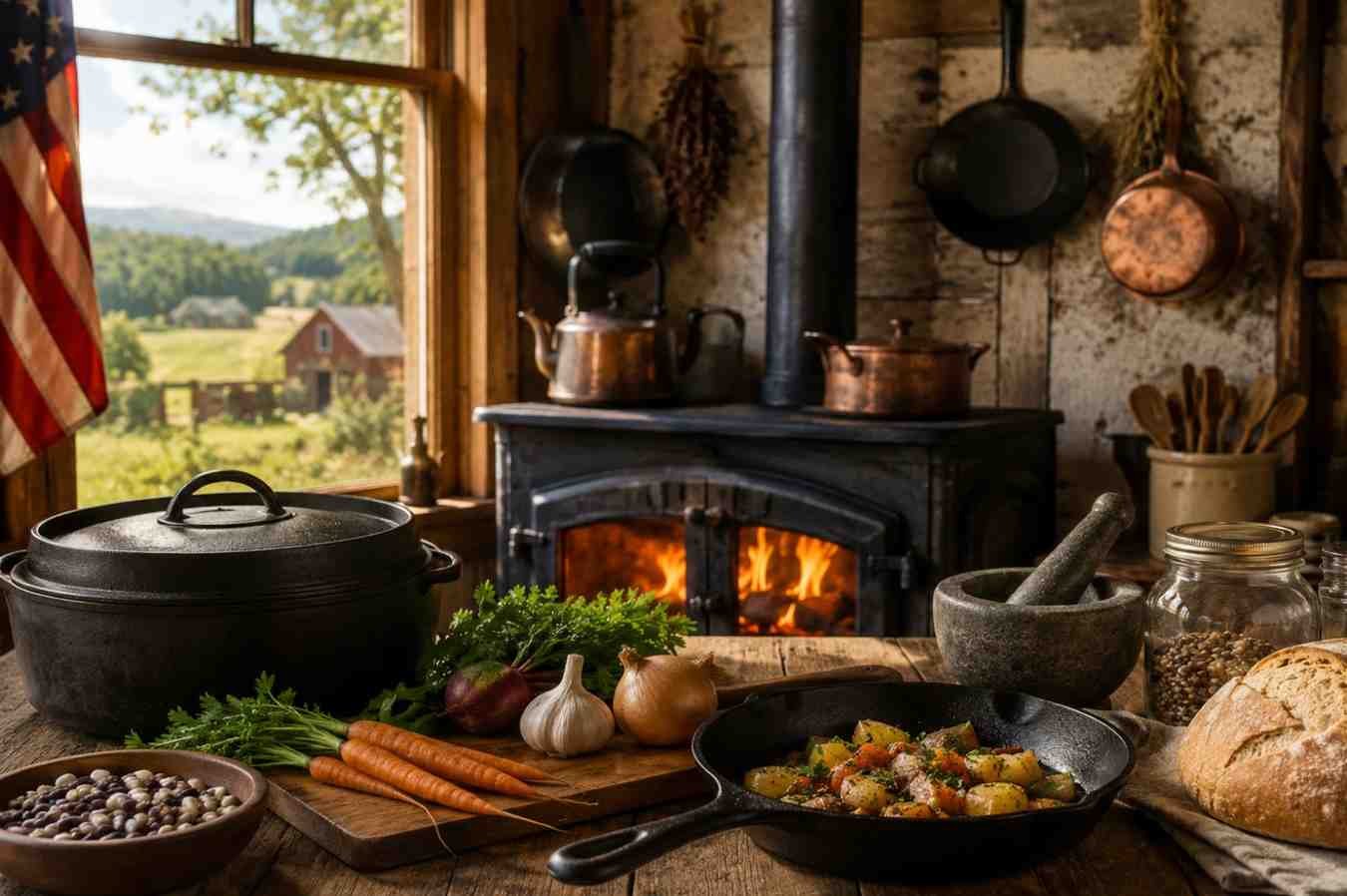
Clay pots and Dutch ovens have remained popular for good reason. These vessels create an ideal environment for low-temperature cooking and slow-simmered meals.
Clay cookware absorbs moisture and releases it gradually, creating a natural self-basting effect. Dutch ovens trap steam and cooking liquids, helping preserve nutrients that might otherwise be lost during cooking.
Benefits of this cooking method include:
- Improved moisture retention
- Reduced need for added oils
- Better nutrient preservation
- Enhanced flavor development through slow cooking
- Consistent cooking temperatures
This approach works especially well for soups, stews, homemade broth, and braised dishes.
The Role of Fermentation in Healthy Home Cooking
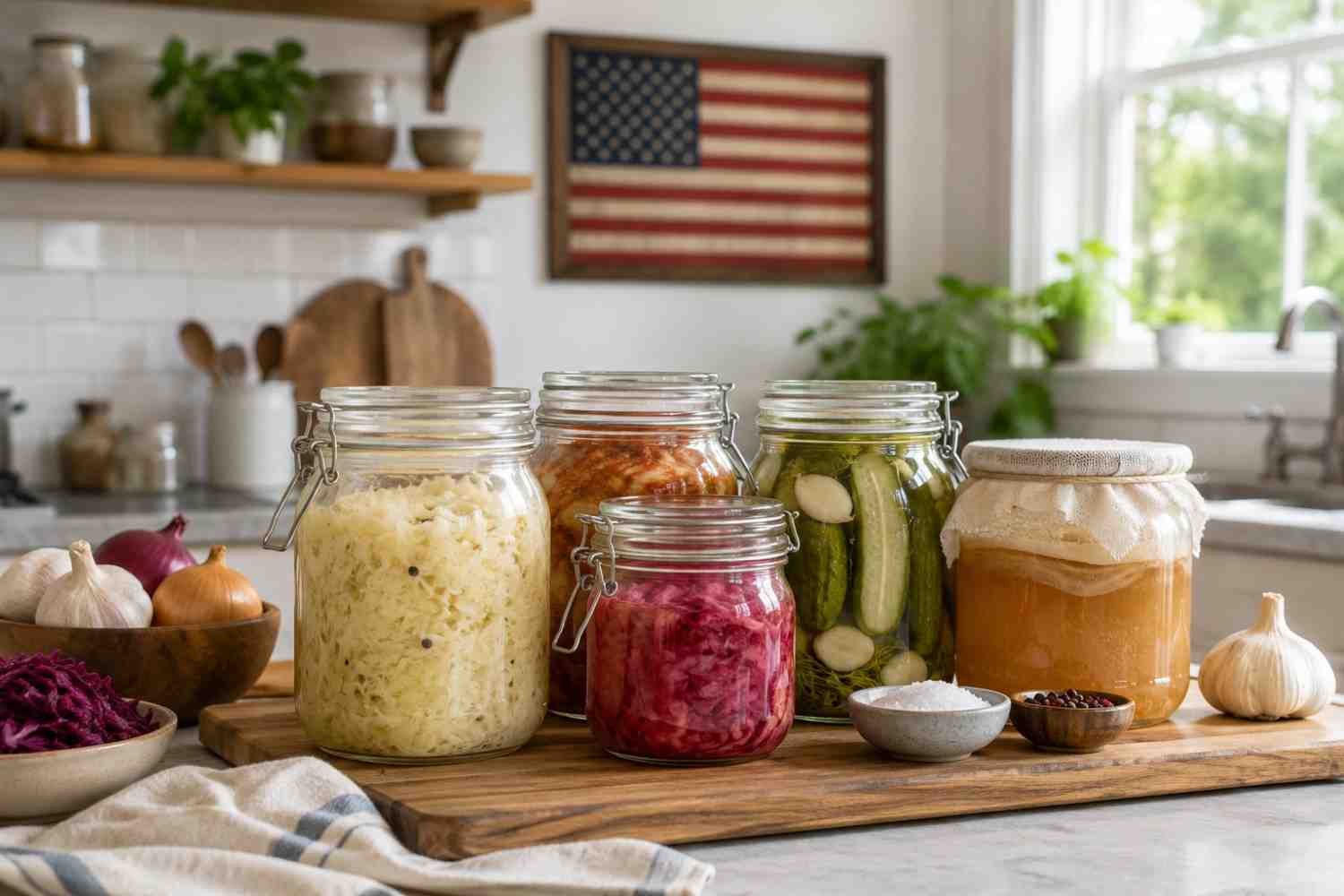
Fermentation has experienced renewed popularity, but it is far from a modern trend. Traditional cultures have used fermented foods for generations to preserve ingredients and improve their nutritional value.
Foods like sauerkraut, kimchi, pickled vegetables, and fermented cucumbers contain beneficial bacteria that support digestive health. The fermentation process also helps break down certain compounds in plants, making minerals easier for the body to absorb.
One reason fermentation remains valuable is that it supports gut-friendly foods without requiring artificial additives or preservatives. It transforms simple ingredients into foods that offer both flavor and nutritional benefits.
For anyone interested in natural cooking methods, fermentation is one of the easiest techniques to incorporate into everyday meal preparation.
Stone and Mortar Grinding: An Overlooked Traditional Practice
Modern electric appliances certainly save time, but traditional stone and mortar grinding offers advantages that are often overlooked.
When herbs, spices, nuts, and seeds are crushed manually, little heat is generated. This helps preserve delicate compounds and essential oils that contribute to both flavor and nutritional value.
The process also creates unique textures that are difficult to replicate with machines. Fresh pesto, spice blends, and herb pastes often develop richer aromas when prepared using traditional grinding techniques.
While it may require a little extra effort, many cooks find that the results justify the time investment.
How Rustic Cooking Supports Modern Healthy Eating?
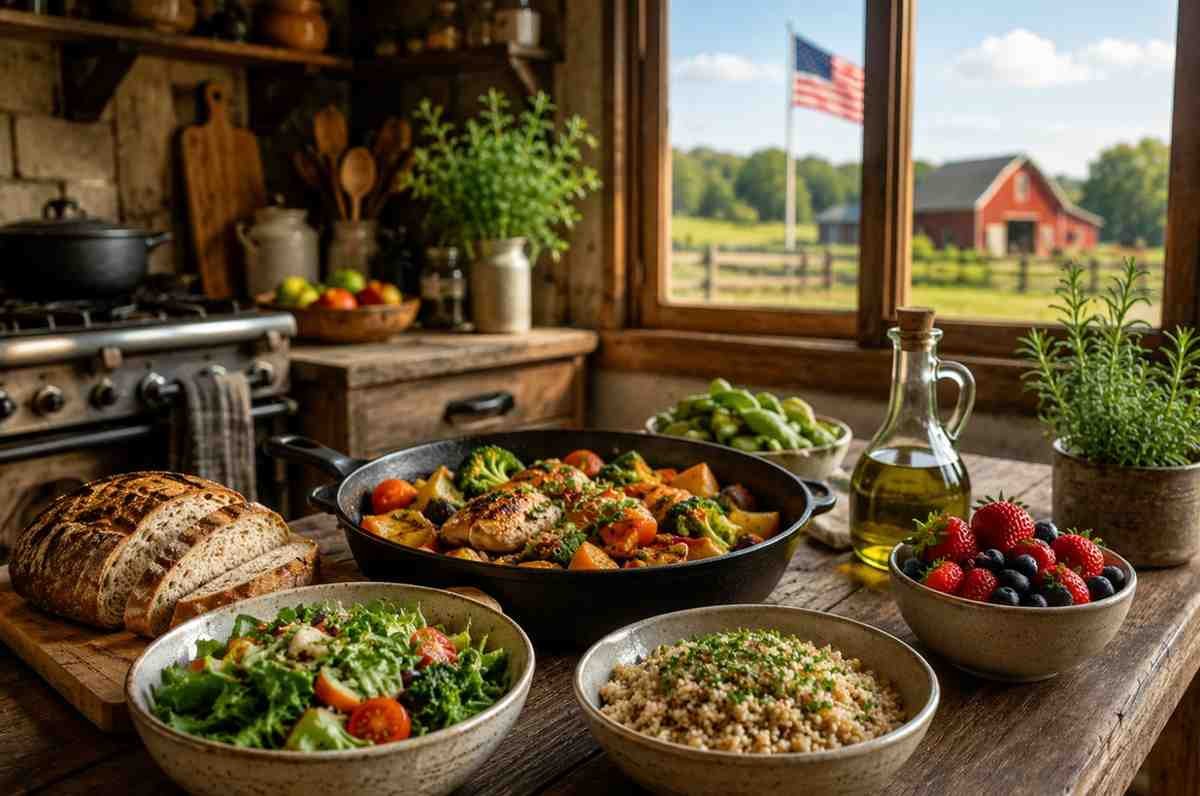
One reason rustic cooking techniques for healthier meals continue to resonate is their simplicity. They encourage cooks to focus on ingredient quality rather than complicated preparation methods.
Several principles connect these traditional techniques:
- Cooking from scratch whenever possible
- Using minimally processed foods
- Preserving natural flavors
- Reducing dependence on artificial additives
- Supporting nutrient retention through gentle cooking methods
These principles align surprisingly well with current nutrition recommendations. The difference is that rustic cooking arrived at these practices long before modern dietary trends began promoting them.
Whether you’re preparing roasted vegetables, a slow-cooked stew, fermented foods, or cast-iron cooking recipes, the goal remains the same: creating meals that are both nourishing and enjoyable.
Bringing Rustic Cooking Into Your Everyday Kitchen
You do not need a farmhouse kitchen or specialized equipment to benefit from traditional cooking methods. Many rustic techniques can fit easily into modern routines.
Start by choosing one or two methods that feel practical. Try roasting vegetables instead of frying them. Use a Dutch oven for weekend meals. Experiment with homemade pickles or fermented vegetables. Replace packaged sauces with freshly ground herbs and spices.
Small changes often have the biggest impact. Over time, these traditional approaches can help create healthier eating patterns while making meals more flavorful and satisfying.
FAQs: Rustic Cooking Techniques for Healthier Meals: Traditional Methods That Still Work Today
1. What are rustic cooking techniques?
Rustic cooking techniques are traditional food preparation methods that focus on simple ingredients and natural cooking processes such as roasting, smoking, fermenting, braising, and slow cooking.
2. Are rustic cooking methods healthier than modern cooking methods?
Many rustic cooking methods support healthier eating because they emphasize whole foods, nutrient preservation, and reduced reliance on processed ingredients, added sugars, and artificial additives.
3. Can I use rustic cooking techniques in a modern kitchen?
Yes. Most rustic cooking methods can be adapted to modern kitchens using equipment such as Dutch ovens, cast iron skillets, grills, and fermentation jars.
4. Which rustic cooking technique is best for beginners?
Slow cooking is often the easiest starting point. It requires minimal effort, helps preserve moisture and nutrients, and works well with a wide variety of ingredients.
Final Thoughts
Rustic cooking techniques for healthier meals have survived for generations because they work. They help preserve nutrients, enhance natural flavors, and encourage a more thoughtful relationship with food. While modern cooking tools offer convenience, traditional methods often deliver something equally important: meals built around real ingredients and time-tested preparation techniques. From fermentation and smoking to clay pot cooking and stone grinding, these practices continue to offer practical benefits for today’s home cooks.
Sometimes the healthiest change isn’t adopting a new trend. It’s rediscovering an old habit that never stopped working.