

Turkish Flatbread Recipe for Wood Fired Oven: Smoky Pide That Tastes Straight From a Village Bakery
Some breads taste best when they are not rushed, and Turkish pide is one of them. The first time I baked this bread over real wood heat, I understood why traditional Turkish bakeries rely on hot stone floors, strong heat, and simple dough.
This Turkish flatbread recipe for wood fired oven cooking is built for that same experience at home, with a crisp golden crust, soft airy center, yogurt-egg glaze, and the classic sesame and nigella seed topping.
What makes this bread special is not just the flavor. It is the process. You press the dough with your fingertips, shape those deep pide-style ridges, slide it onto a blazing hot stone, and watch it puff in minutes. For US home cooks using a backyard pizza oven, brick oven, or outdoor wood-fired oven, this recipe brings a rustic Turkish bakery feel into your own backyard.
What Makes Turkish Ramazan Pidesi Different From Regular Flatbread?
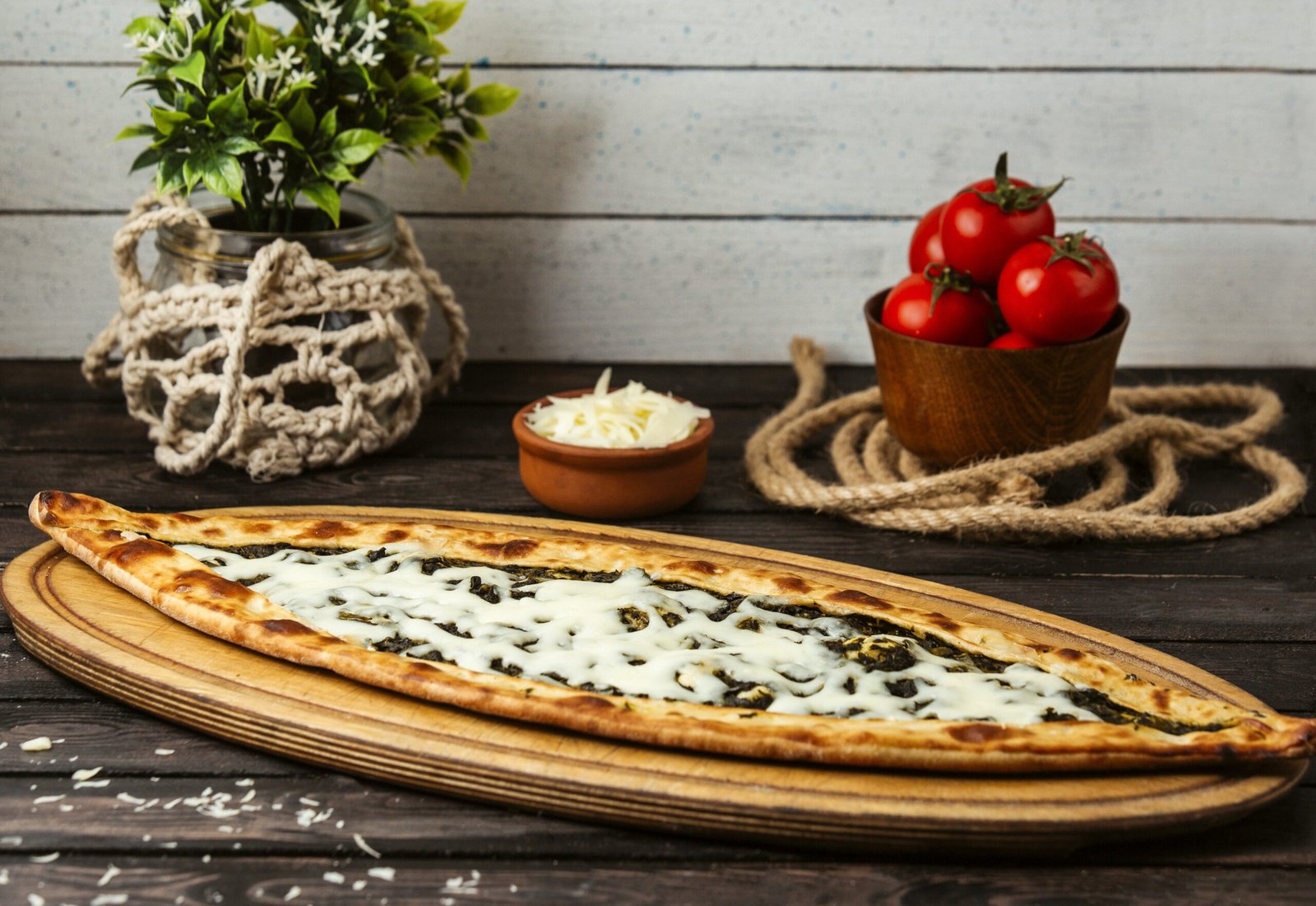
Turkish flatbread can mean several breads, including bazlama, pide, gözleme, yufka, and lahmacun. Bazlama is softer and thicker, often cooked on a griddle. Lahmacun is thin and topped with seasoned meat. Ramazan Pidesi is different because it has a soft, airy interior, a glossy yogurt-egg topping, sesame and nigella seeds, and a signature dimpled pattern.
That fingerprint pattern is not just for looks. It helps the dough rise evenly, creates crisp ridges, and gives the bread its classic Turkish bakery appearance. When baked on a hot stone floor, the dough puffs quickly while the surface turns golden and lightly charred.
Why a Wood-Fired Oven Gives the Best Turkish Pide Texture
A wood-fired oven creates strong heat from the stone floor and radiant heat from the dome. That combination cooks the bread fast, which helps trap steam inside the dough. The result is a crisp crust and a soft, airy center.
A regular home oven can make good Turkish bread, but a wood-fired oven gives you better oven spring, deeper color, and a slightly smoky flavor. It also comes closer to the intense heat of a Turkish stone oven. For this Turkish flatbread recipe for wood fired oven, the goal is to use high heat without burning the dough before the middle cooks.
Ingredients for Wood Fired Turkish Flatbread
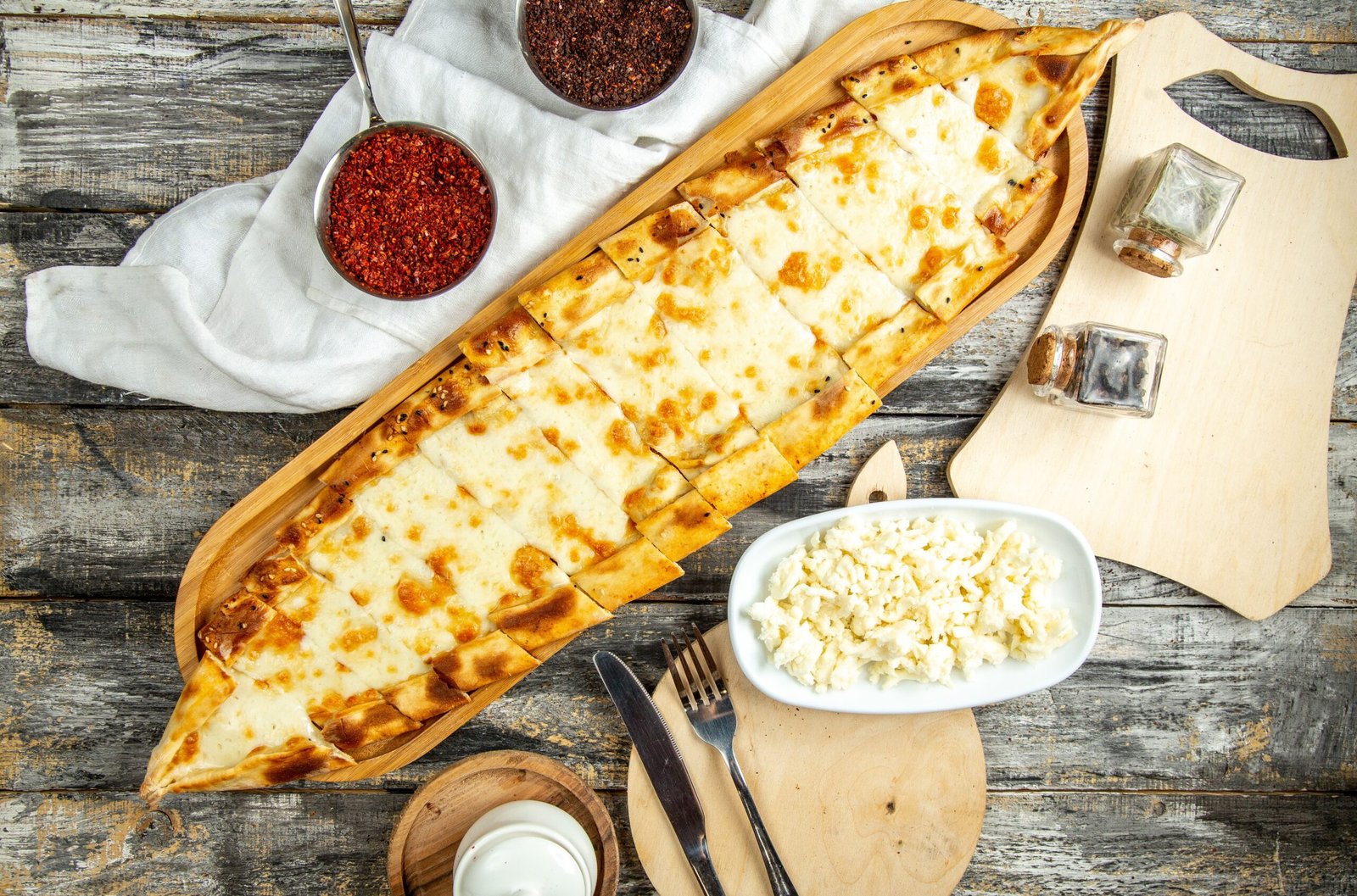
For the dough, use 500g strong white bread flour, 350ml lukewarm water, 6g instant dried yeast, 1 teaspoon sugar, 10g fine sea salt, and 1 tablespoon extra virgin olive oil.
For the topping, mix 1 tablespoon plain yogurt with 1 egg yolk. You will also need 1 tablespoon sesame seeds and 1 tablespoon nigella seeds.
Bread flour works better than all-purpose flour because it gives the dough structure and chew. The 350ml of water creates a high-hydration dough, which helps the flatbread become light and open inside. The yogurt and egg yolk glaze gives the bread its golden color, while sesame and nigella seeds add traditional Turkish flavor.
How to Make the Dough for Turkish Pide
Whisk the lukewarm water, sugar, and instant yeast in a large bowl. Let it rest for about 5 minutes until it looks slightly foamy. In another bowl, combine the bread flour and salt. Make a well in the center, then pour in the yeast mixture and olive oil.
Mix until you get a wet, shaggy dough. Turn it onto a lightly floured surface and knead for 8 to 10 minutes. The dough should become smooth, elastic, and slightly tacky. Do not add too much flour while kneading. A wetter dough gives you a better airy texture after baking.
Place the dough in a lightly oiled bowl, cover it with a damp towel, and let it rise in a warm spot for about 1 hour, or until it doubles in size.
How to Shape Ramazan Pidesi or Tırnak Pidesi
After the first proof, gently press down the dough and divide it into 2 or 3 equal portions. Shape each portion into a smooth ball. Place the dough balls on a floured surface, cover them with a towel, and let them rest for 15 minutes. This rest relaxes the gluten and makes shaping easier.
Pat each dough ball into a large oval or round shape about 1 inch thick. Do not roll it too thin. Turkish pide needs enough thickness to puff in the oven.
Brush the top with the yogurt and egg yolk mixture. Dip your fingertips into the remaining glaze or a little water. Press firmly around the edge to create a 1-inch border. Then press diagonal lines across the center in a cross-hatch pattern. Push your fingertips deeply enough to mark the dough, but do not tear it.
Sprinkle the top generously with sesame seeds and nigella seeds.
How to Set Up a Wood-Fired Oven for Turkish Flatbread
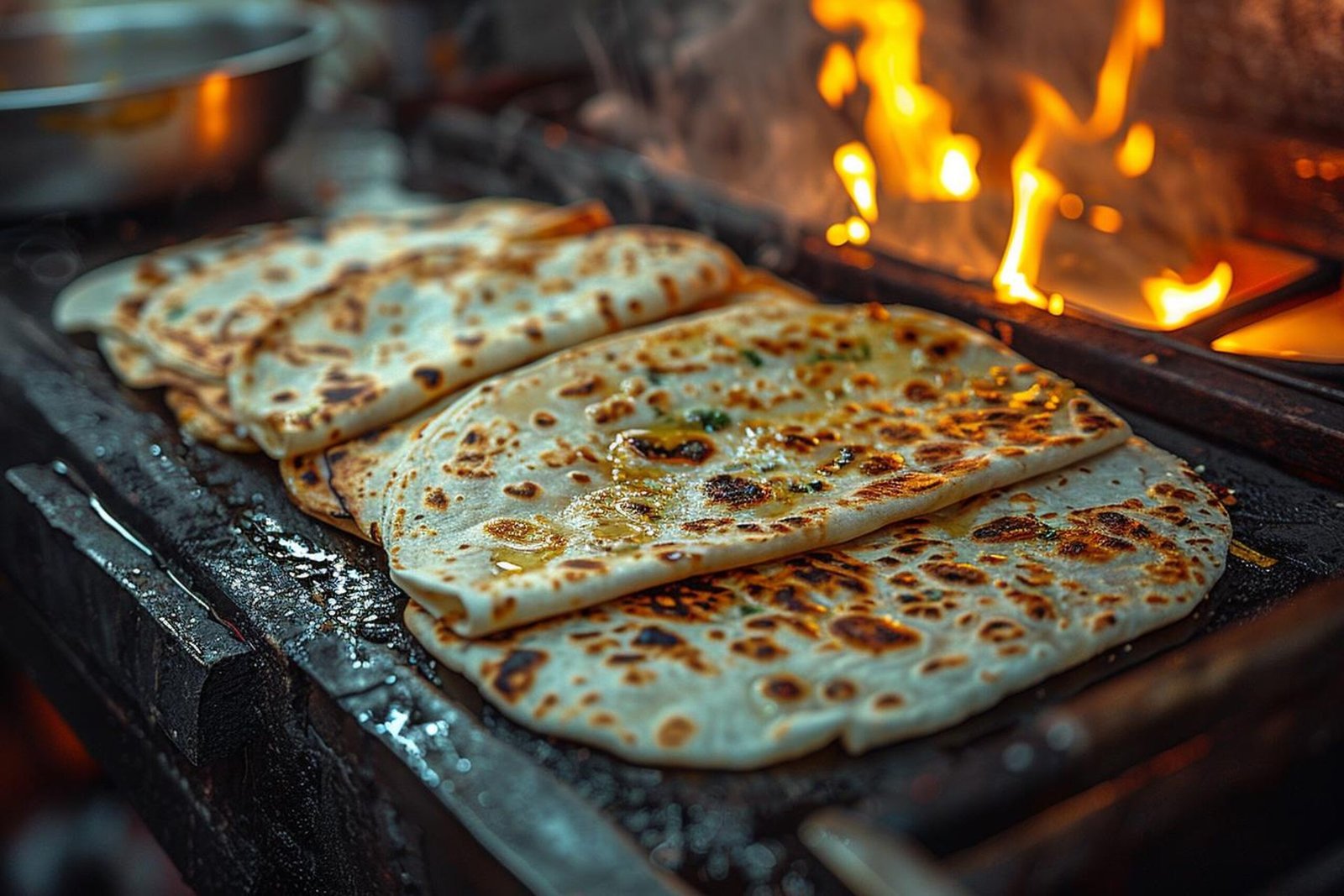
Fire the oven with strong hardwood until the stone floor and dome are fully heated. For authentic Turkish pide, the oven floor should reach around 750°F to 840°F, or 400°C to 450°C. This is hotter than the range used for many soft flatbreads, but it works well for Ramazan Pidesi because the dough is thicker and hydrated.
Push the embers to the back or side of the oven to create a clean cooking area. Brush the stone floor with a damp brass brush so ash does not stick to the dough.
Dust a wooden peel with whole wheat flour or cornmeal. Slide the shaped flatbread onto the peel, then launch it directly onto the hot stone floor near the embers.
How Long to Bake Turkish Flatbread in a Wood-Fired Oven
The bread should puff almost immediately. Rotate it 180 degrees every 30 to 45 seconds with a turning peel so one side does not burn. Bake for 2 to 3 minutes total, depending on your oven heat and dough thickness.
The bread is ready when the edges look golden brown, the top has rustic char marks, and the center feels puffed and airy. Remove it from the oven and wrap it in a clean kitchen towel for a few minutes. This keeps the crust from becoming too hard and helps the bread stay soft and pliable.
Can I Make This Turkish Flatbread in a Regular US Home Oven?
Yes, you can still make this bread without a wood-fired oven. Place a pizza stone or baking steel in your oven and preheat it at the highest setting, usually 500°F to 550°F, for at least 45 minutes. Bake the shaped pide on the hot stone for about 6 to 8 minutes, or until golden and puffed.
You will not get the same smoky flavor or fast oven spring, but the bread will still taste fresh, tender, and flavorful.
What to Serve With Turkish Wood Fired Flatbread
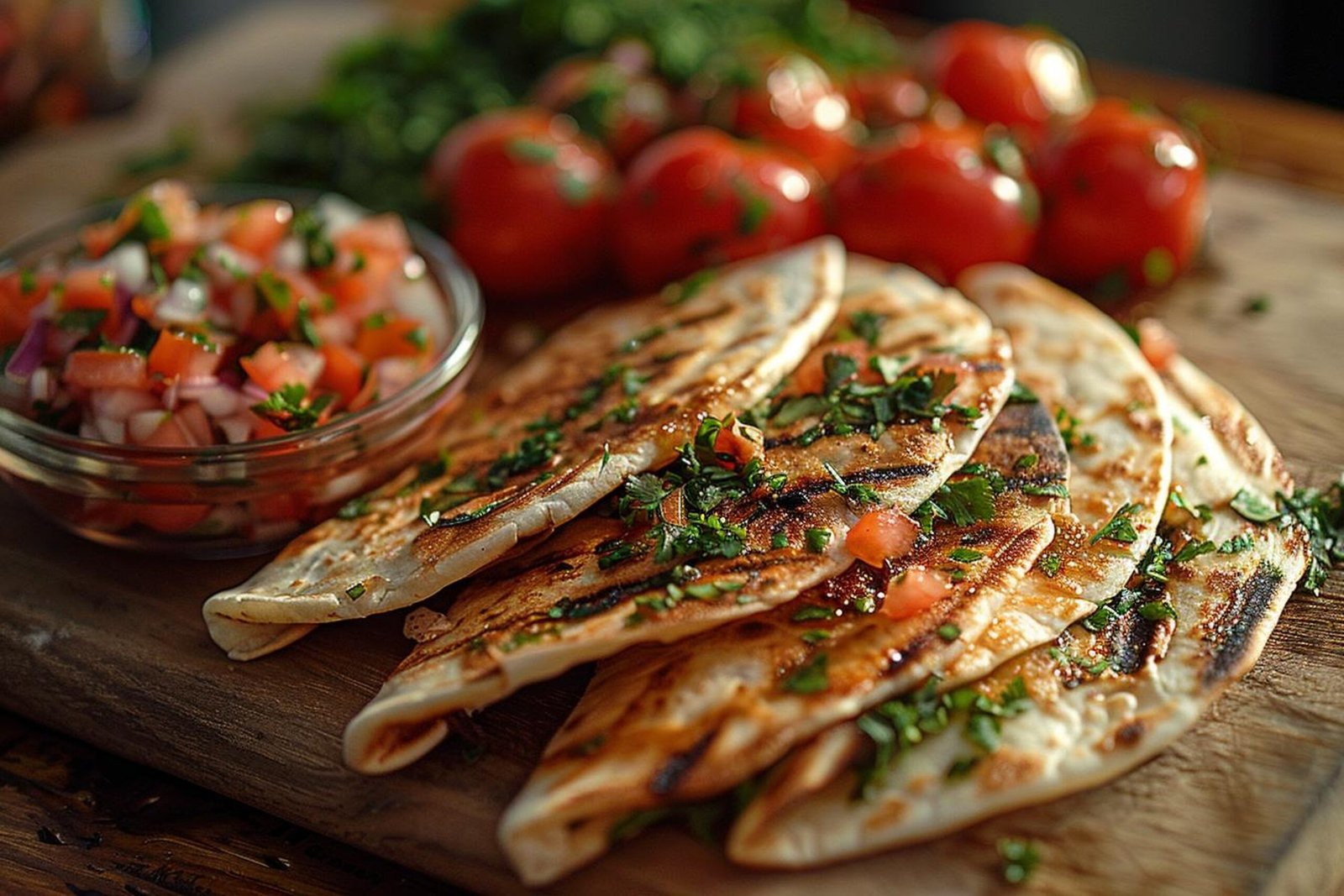
I like serving this bread warm with grilled chicken, lamb kebabs, hummus, baba ganoush, labneh, feta, olives, tomato cucumber salad, roasted eggplant, or garlic yogurt sauce. It also works beautifully with soups, stews, scrambled eggs, or a simple breakfast plate.
For a US backyard dinner, serve it beside barbecue-style grilled meats, roasted vegetables, or Mediterranean dips. The bread is sturdy enough for scooping and soft enough for tearing by hand.
Common Mistakes to Avoid
The biggest mistake in Turkish Bread Baking Over Wood Fire is letting the oven stay too hot and aggressive. If the bread burns in seconds, wait for the flames to calm and use the stored floor heat instead.
Another mistake is skipping the fingertip pattern. Without the dimples, the bread may puff unevenly and lose its classic pide shape.
Do not rotate the bread every 30 to 45 minutes. Rotate it every 30 to 45 seconds. At wood-fired oven temperatures, minutes make the difference between golden pide and burnt dough.
FAQs About Wood Fired Turkish Flatbread
1. What is the difference between bazlama and Ramazan Pidesi?
Bazlama is usually softer, rounder, and simpler, while Ramazan Pidesi has a yogurt-egg glaze, seeds, and a traditional dimpled pattern.
2. What temperature should a wood-fired oven be for Turkish pide?
A wood-fired oven should be around 750°F to 840°F for Turkish pide, with embers pushed aside and the stone floor cleaned before baking.
3. Can I make Turkish pide without nigella seeds?
Yes, you can use only sesame seeds, but nigella seeds give the bread its traditional Turkish flavor and aroma.
4. Why is my Turkish flatbread not puffing?
The dough may be under-proofed, the oven floor may be too cool, or the dough may have been shaped too thin.
Final Thoughts
This Turkish flatbread recipe for wood fired oven cooking brings together the best parts of traditional Ramazan Pidesi, Tırnak Pidesi, and backyard wood-fired baking. You get a glossy seeded crust, smoky aroma, crisp edges, and a soft center that feels made for sharing.
Once you understand the dough, the fingertip shaping, the high-heat baking method, and even the basics of wood consumption and analysis of bread baking, this bread becomes surprisingly simple. Serve it hot, wrap it briefly in a towel, and tear it open while the inside is still warm and airy.