
Turkish Bread Over Wood Fire: Smoky Secrets for Home Cooks
Turkish Bread Baking Over Wood Fire brings together simple dough, live flame, and deep stone heat in a rustic, practical way. I like this method because it gives bread a crisp surface, soft airy center, and smoky aroma that a regular oven rarely creates.
For US home cooks with a backyard pizza oven, grill, or wood-fired setup, this is one of the best ways to make Turkish bread feel fresh from a village bakery.
What Makes Wood-Fired Turkish Bread Taste Better?
The biggest difference is heat. A traditional Turkish wood-fired oven can reach up to 500°C, or about 932°F. That intense heat can cook flatbreads in under two minutes, trapping moisture inside. The bread puffs fast, browns beautifully, and stays tender.
The wood also matters. Dense hardwoods such as oak and olive wood burn hot and clean, giving the bread a subtle aroma without harsh smoke. In the US, oak is easy to source, while maple and fruitwoods also work well. Avoid softwoods because they burn too quickly and can leave bitter flavors.
How Does a Traditional Turkish Wood-Fired Oven Work?
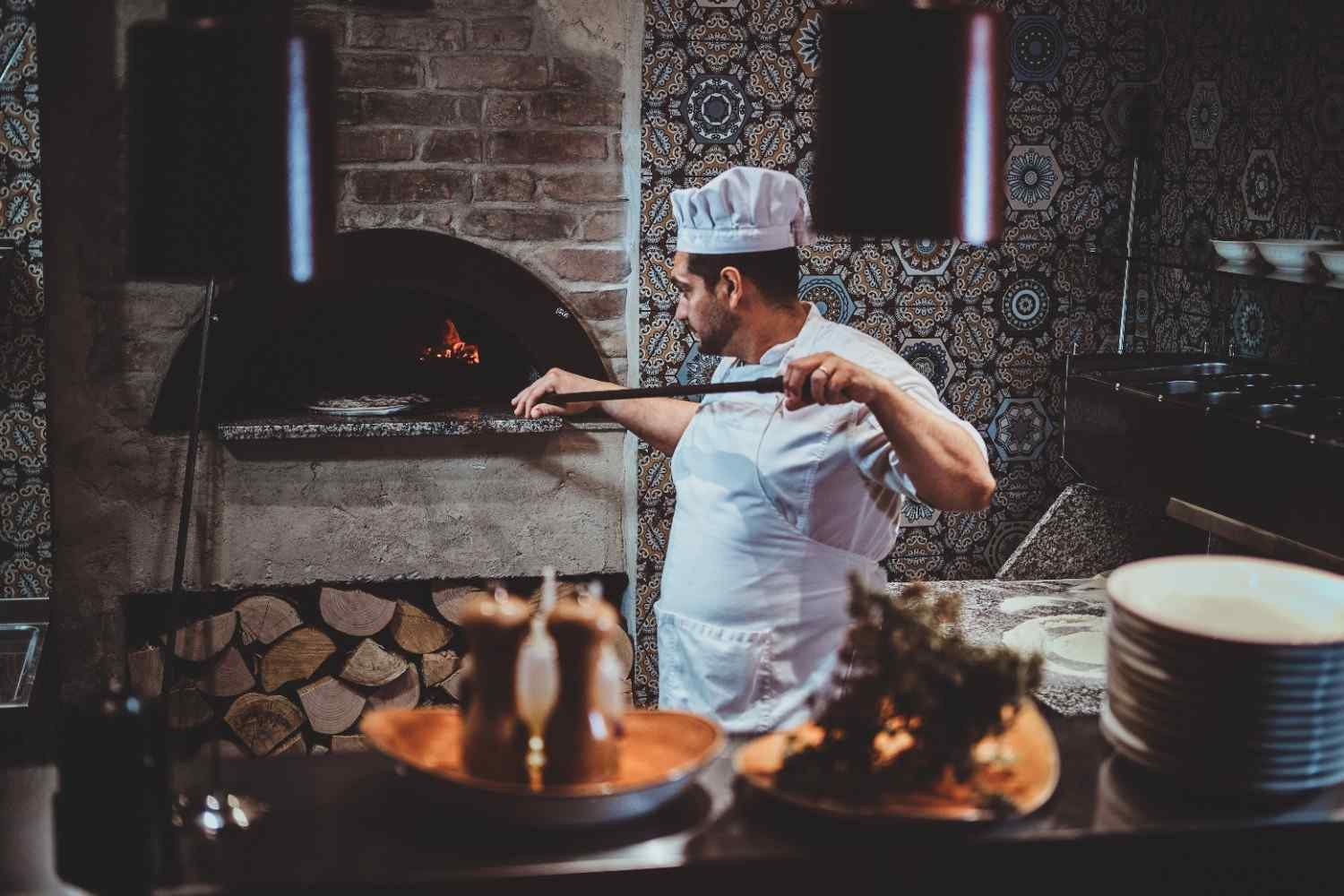
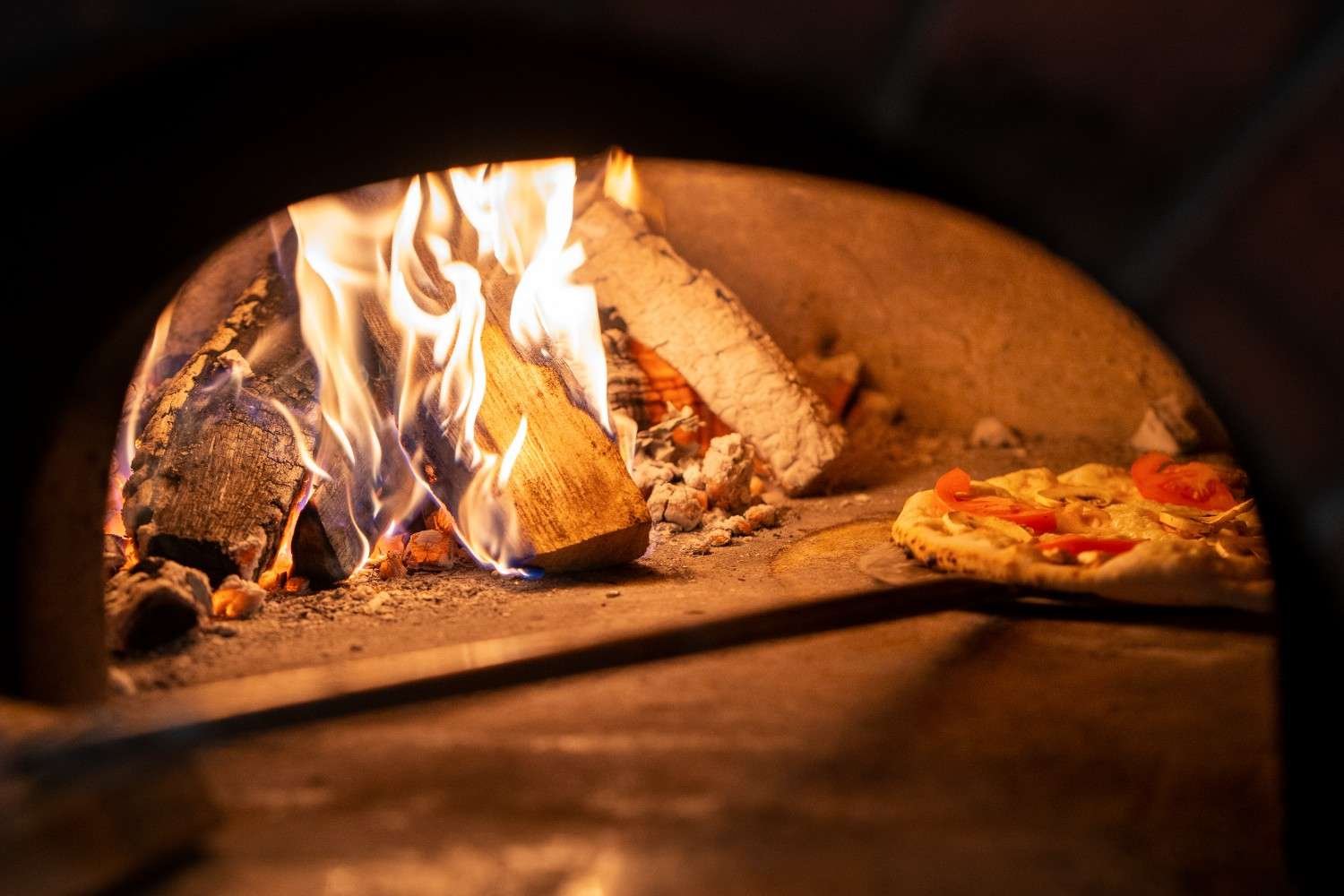
A real Turkish bakery oven is built for heat retention. The dome is often made with refractory bricks and volcanic stones because these materials hold intense heat for hours and cook bread from the floor, dome, and surrounding air.
The oven also uses dual-zone heat. The fire burns inside the cooking chamber alongside the bread, usually pushed toward the back or side. Bread can move closer to the flame for color or farther away when it needs gentler heat. Thick insulation beneath the stone floor, sometimes including salt and glass shards in old oven-building methods, helps hold stable temperatures.
Why the Kürek Is So Important
The kürek is the long wooden peel Turkish bakers use to slide, rotate, and remove bread. It helps move Ramazan pidesi closer to the flame, turn ekmek, or pull a loaf at the right moment.
For home cooks, a long pizza peel works well. Dust it lightly so the dough slides smoothly.
Which Turkish Breads Bake Best Over Wood Fire?
Ramazan pidesi is round, flat, soft, and known for its distinct weave-like pattern on top. Bakers often brush it with egg wash or yogurt wash, then finish it with sesame seeds and nigella seeds.
Ekmek is the everyday Turkish white bread often seen cooling on bakery racks. It usually has a football shape with slashes across the top. Strong wood heat gives it a shatteringly crisp crust and an airy interior.
Bazlama is the easiest option for beginners. This soft Turkish flatbread cooks quickly on a hot stone, cast iron griddle, or oven floor. It does not need perfect shaping, which makes it ideal for backyard cooking.
How Do You Make Dough for Soft Turkish Bread?
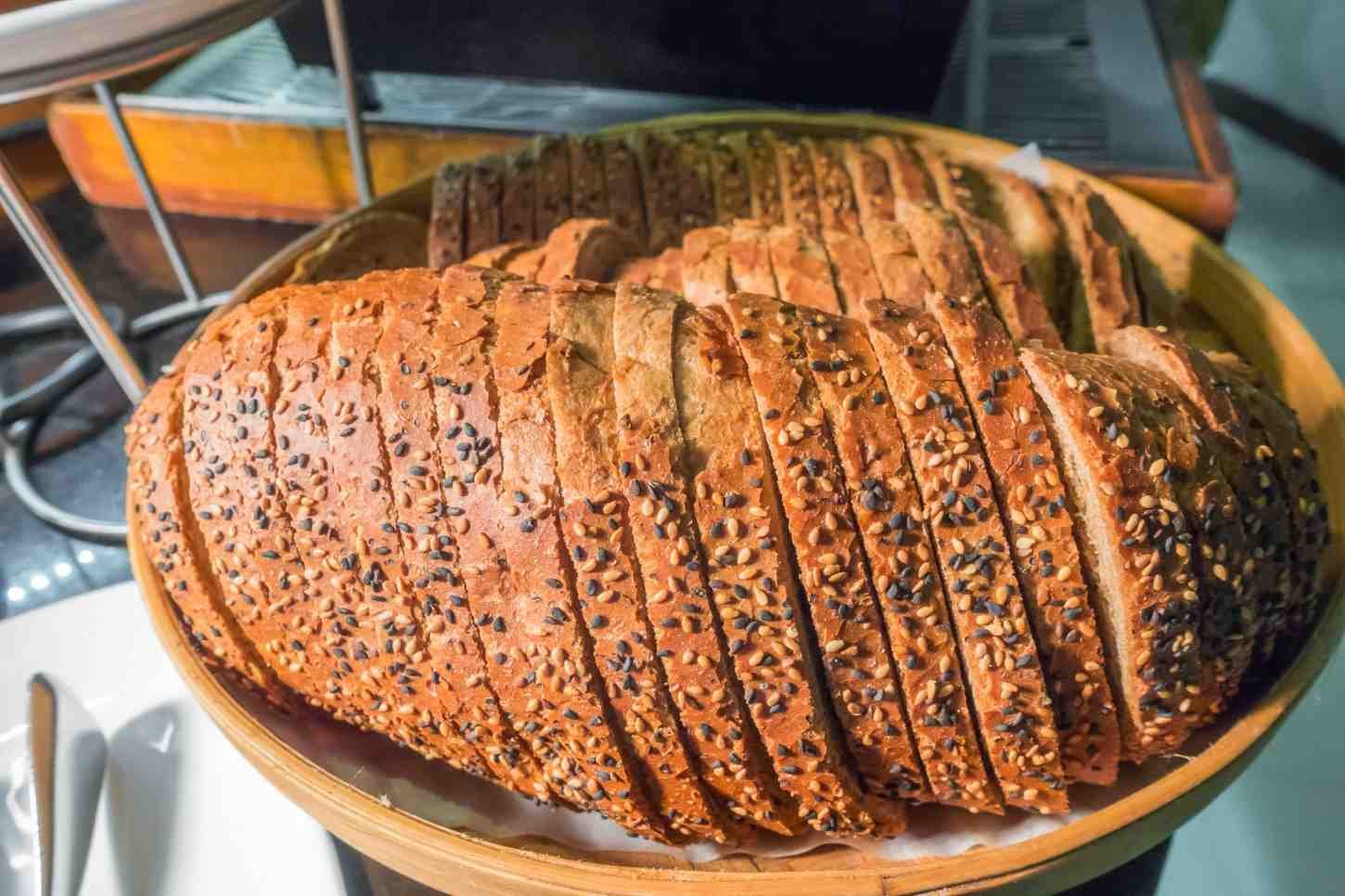
Start with bread flour or all-purpose flour, warm water, yeast, salt, olive oil, and a little sugar. Bread flour gives chew, while all-purpose flour makes a softer bread. This same simple dough base also works well for other Turkish wood fired cooking recipes, especially flatbreads, pide, and rustic village-style breads.
Mix yeast with warm water and sugar until foamy. Add flour, salt, and olive oil, then knead until smooth. Let the dough rise until doubled. The dough should feel soft and slightly tacky, not dry or stiff.
How Hot Should the Oven Be?
For Turkish Bread Baking Over Wood Fire, the oven floor should be hot enough to puff the dough quickly but not so hot that the bottom burns before the center cooks. If you use a backyard pizza oven, heat the stone fully, then move the fire to the side or back.
A simple flour test helps. Toss a pinch of flour onto the stone. If it burns black immediately, the floor is too hot. If it slowly toasts, you are closer to the right range.
How Do You Bake Turkish Bread Over Wood Fire at Home?
Shape the dough into rounds for bazlama, ovals for pide, or longer football-shaped loaves for ekmek. Let the shaped dough rest for 10 to 15 minutes before baking.
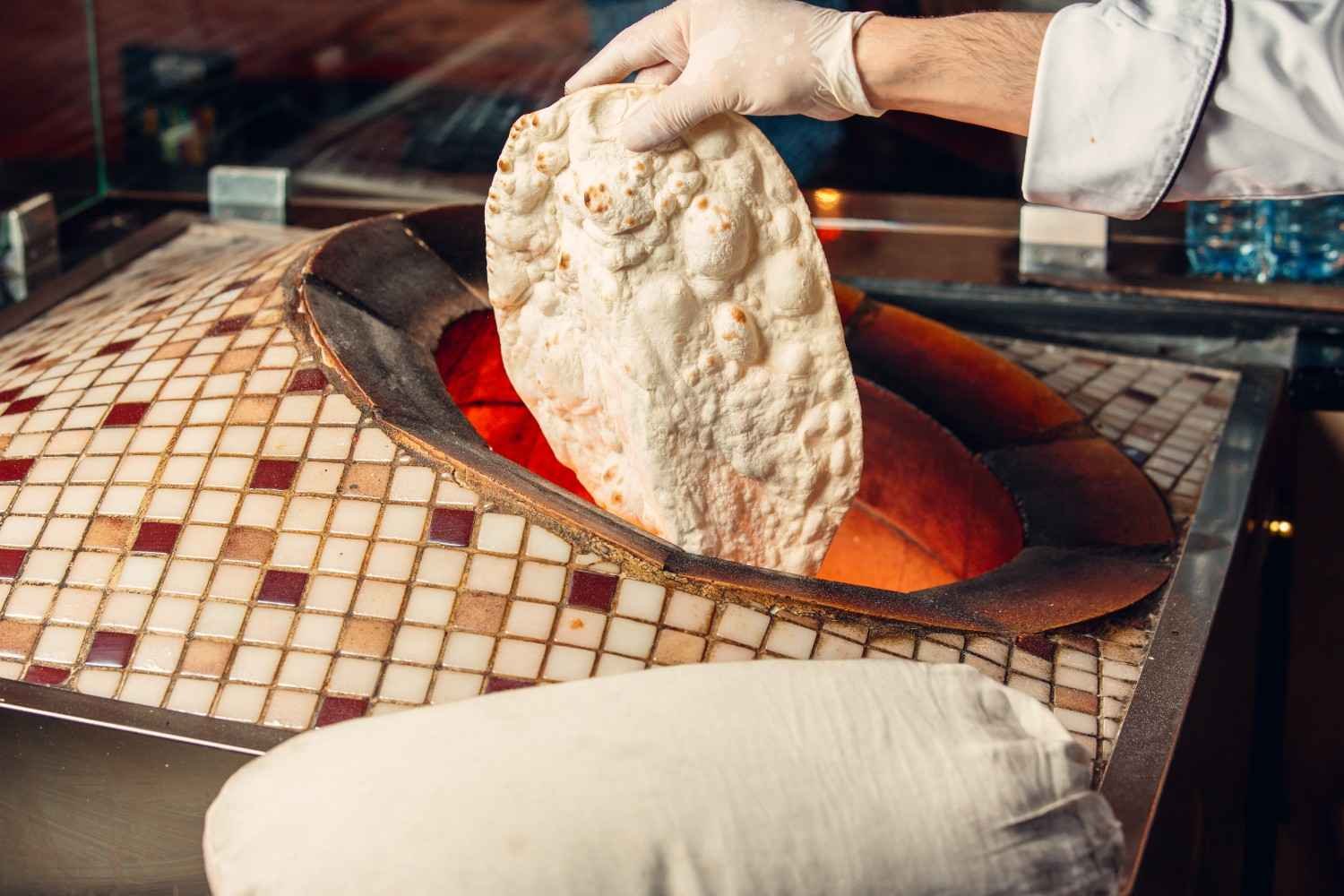
Slide the bread onto the hot stone with a peel and watch it closely. Rotate it as the crust colors. Move it closer to the flame when it needs browning and farther away when the outside cooks too fast.
When flatbreads come out, wrap them in a clean towel to keep them soft. For ekmek, cool the loaves on a rack so the crust stays crisp.
Can You Make This Without a Traditional Turkish Oven?
Yes. Many US home cooks can get strong results with a backyard pizza oven, charcoal grill, baking steel, pizza stone, or cast iron skillet. If you bake often, choosing one of the best pizza stones can help hold steady heat and create a better crust. The flavor will not be identical, but the bread can still turn smoky, soft, and satisfying.
FAQs About Wood-Fired Turkish Bread
1. What is the best wood for Turkish bread?
Oak and olive wood are traditional choices because they burn hot, clean, and aromatic. In the US, oak, maple, beech, and fruitwoods are practical options.
2. Why does Turkish bread bake so fast in a wood-fired oven?
The stone floor, dome heat, and live fire cook the dough quickly while keeping moisture inside.
3. What is the difference between Ramazan pidesi and ekmek?
Ramazan pidesi is round, flat, patterned, and soft. Ekmek is a daily Turkish white bread with a crisp crust and airy interior.
4. Can I use a pizza oven for Turkish bread?
Yes. A backyard pizza oven is one of the best US-friendly tools for Turkish Bread Baking Over Wood Fire because it gives stone heat and flame control.
Final Thoughts
Wood-fired Turkish bread is about more than a recipe. It is about heat, timing, oven design, the kürek, and the character of breads like Ramazan pidesi, ekmek, and bazlama. Start with soft dough, use clean hardwood, heat your stone properly, and watch the bread closely. Once you pull that first smoky loaf from the fire, store-bought bread will feel far less exciting.