




Easy Cheese Turkish Poğaça Tarifi At Home For Tea Time
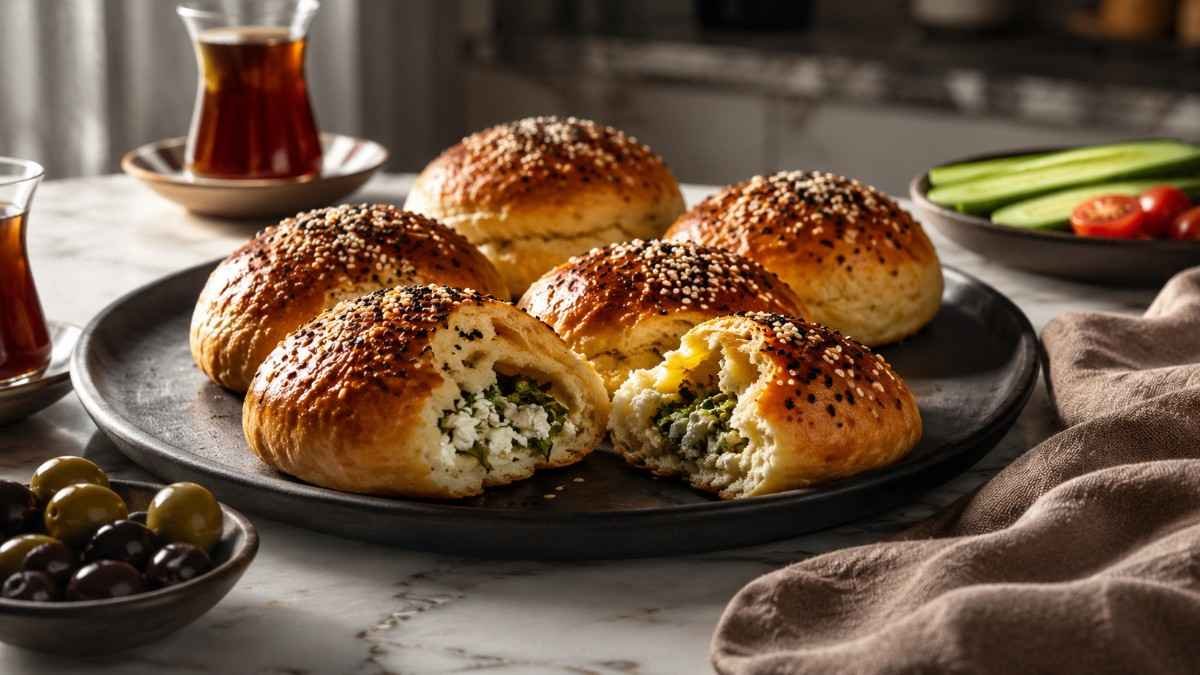
Warm cheese-filled buns on a slow morning can turn an ordinary breakfast into something memorable. This turkish poğaça tarifi at home is my favorite way to bring soft Turkish bakery flavor into a simple kitchen routine, using a yeast-based dough, feta-style cheese, parsley, egg yolk glaze, and a golden sesame topping.
Key Takeaways
- Poğaça is a soft Turkish breakfast bun filled with savory cheese and herbs.
- A yeast-based dough gives the best fluffy, bakery-style texture.
- Feta, lor, or Turkish white cheese all work beautifully.
- Egg yolk glaze, sesame, and nigella seeds create classic flavor.
- These buns are perfect for weekend breakfast, tea time, and lunchboxes.
What Is Turkish Poğaça?
Poğaça is a tender Turkish savory pastry often served for breakfast, tea time, picnics, and bakery snacks. It is usually round, oval, or half-moon shaped, with a soft bread-like phyllo dough and a filling of white cheese, herbs, potatoes, olives, or minced meat.
Unlike börek, which uses thin pastry sheets, poğaça is made from dough. Unlike açma, which is often richer and more buttery, poğaça feels more rustic, simple, and homey. That makes it ideal for everyday Turkish cuisine and approachable rustic baking.
In Turkish homes, poğaça is the kind of food people bake for guests, children, neighbors, and weekend tables. It is humble, but it never feels boring because the filling, topping, and shape can change every time.
Simple Ingredients For Soft Poğaça
Good poğaça starts with simple ingredients used in the right way. Warm milk wakes up the yeast, sugar helps fermentation, oil keeps the dough tender, and flour gives structure. The egg white goes into the dough, while the yolk is saved for the glossy top.
For the dough,
- use 1 cup warm milk
- half cup sunflower oil or olive oil
- 1 packet instant yeast, 1 teaspoon sugar
- 1 teaspoon salt
- 1 egg with the yolk separated, and
- 3.5 to 4 cups of flour.
Add the flour slowly because every brand absorbs liquid differently.
For the filling,
- use 150 grams crumbled Turkish white cheese,
- lor cheese or feta,
- with half a bunch of finely chopped parsley.
For the topping, mix the egg yolk with 1 tablespoon milk, then finish with sesame seeds, nigella seeds, or both.
Cheese And Parsley Filling
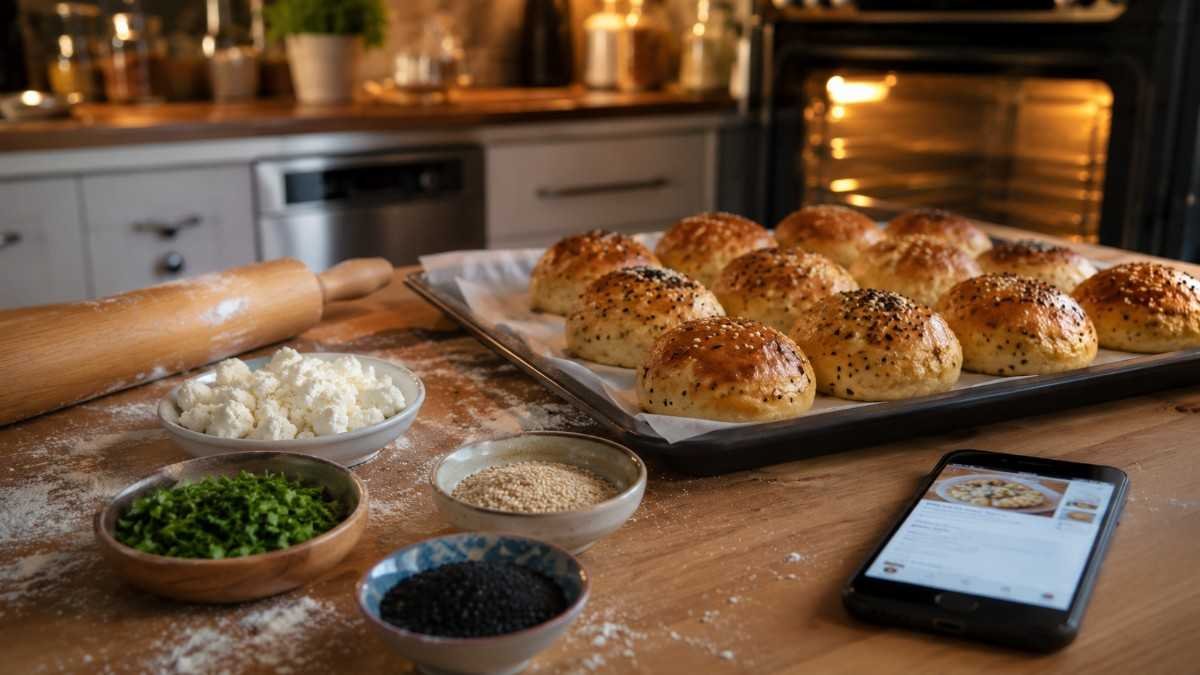
The classic filling is beyaz peynir with parsley, but feta is the easiest substitute in many kitchens. If your feta is very salty, rinse it lightly, pat it dry, and crumble it before mixing. The filling should be flavorful but not wet.
Parsley adds freshness and balances the richness of the dough. You can also add dill, scallions, black pepper, Aleppo pepper, or a little pul biber for gentle Turkish-style heat. Keep the filling simple so the soft dough remains the star.
Avoid watery cheese or overfilling the buns. Too much moisture can make the dough soggy and cause leaks while baking. A spoonful of filling in each dough piece is usually enough for a balanced bite.
Turkish Poğaça Tarifi At Home: Step By Step
This turkish poğaça tarifi at home follows the same comforting rhythm used in many Turkish kitchens: mix, rise, fill, rest, glaze, and bake. The process is simple, but each step helps create the soft texture and golden finish poğaça is known for.
Prepare The Dough
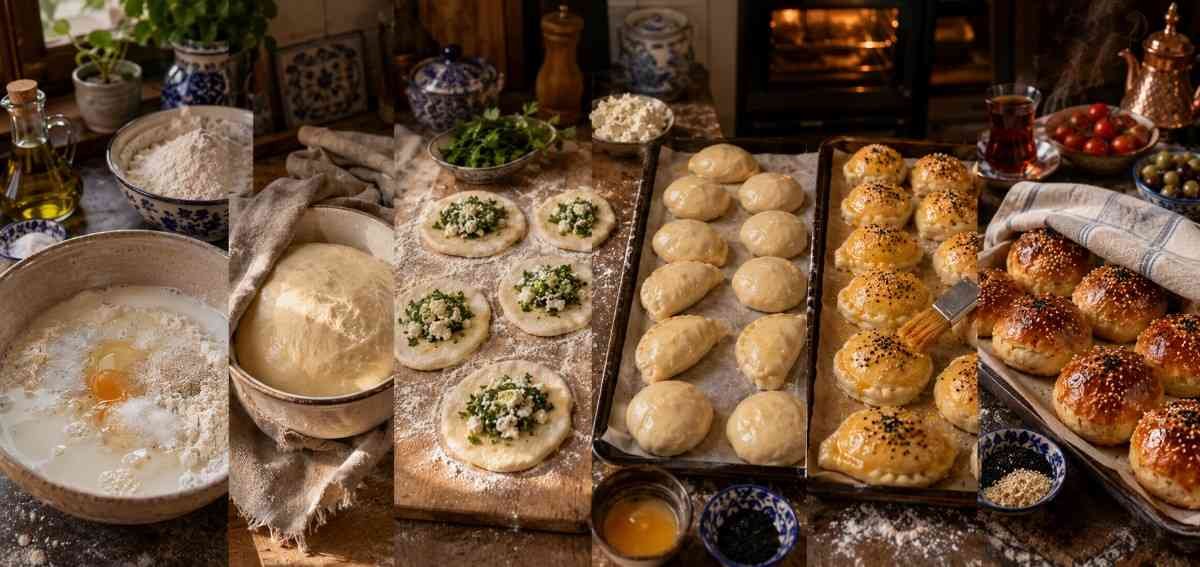
In a large mixing bowl, combine warm milk, instant yeast, and sugar. Let it sit for 5 minutes so the yeast can activate and become slightly foamy. Add the egg white, oil, salt, and flour little by little, mixing until a soft dough forms.
Knead the dough until it becomes smooth, elastic, and no longer sticky. It should feel soft in your hand, not stiff. Cover the bowl with a damp cloth and let it rest at room temperature for about 1 hour and 30 minutes, or until doubled.
Shape The Buns
After the dough rises, gently press it down to release excess air. Break off pieces about the size of a small mandarin. Flatten each piece with your hand, place the cheese and parsley filling in the center, then close the edges carefully.
Shape the dough into round buns or half-moons. Place them on a baking tray lined with parchment paper, leaving space between each one. Let them rest on the tray for another 20 minutes so they rise again and bake up lighter.
Bake Until Golden
Brush the tops with egg yolk mixed with milk, then sprinkle sesame or nigella seeds over each bun. Bake in a preheated 180°C or 360°F oven for 20 to 25 minutes, until the tops are golden brown and the bottoms are lightly colored.
After baking, cover the hot poğaça with a clean kitchen towel for a few minutes. This simple Turkish home-baking trick traps gentle steam and helps keep the buns soft, fluffy, and tender instead of dry.
Rustic Baking Tips
Poğaça dough should be soft and slightly delicate. Adding too much flour is the most common mistake because it makes the buns dry. Stop adding flour as soon as the dough becomes smooth and easy to handle.
Use warm milk, not hot milk. Hot liquid can weaken or kill yeast, while cold milk slows the rise. If your kitchen is cool, give the dough more time instead of rushing it. Good poğaça depends more on texture than the clock.
For a deeper bakery-style flavor, use olive oil instead of neutral oil. For a softer, lighter flavor, sunflower oil works well. Both are traditional enough for home-style Turkish baking and give reliable results.
Healthy Ingredient Notes
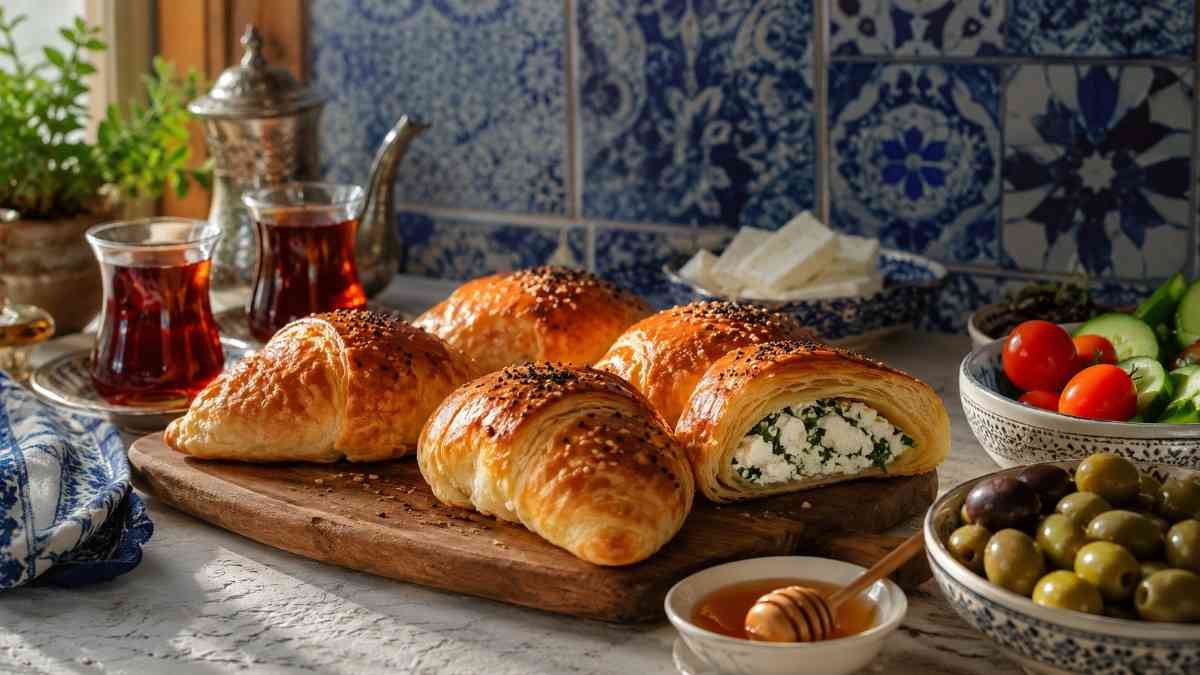
Poğaça is a baked pastry, so it is still a comfort food, but its ingredients can offer balance when used thoughtfully. Milk, egg, and cheese add protein, while parsley brings freshness, color, and small amounts of vitamins.
Olive oil provides unsaturated fats and a Mediterranean flavor. Sesame and nigella seeds add crunch, aroma, and plant-based nutrients. Choosing a moderate amount of filling keeps the buns satisfying without making them too heavy.
Serve poğaça with tomatoes, cucumbers, olives, boiled eggs, and unsweetened tea for a more balanced Turkish breakfast plate. This turns a single bun into part of a colorful, nourishing meal.
Storage And Serving Ideas
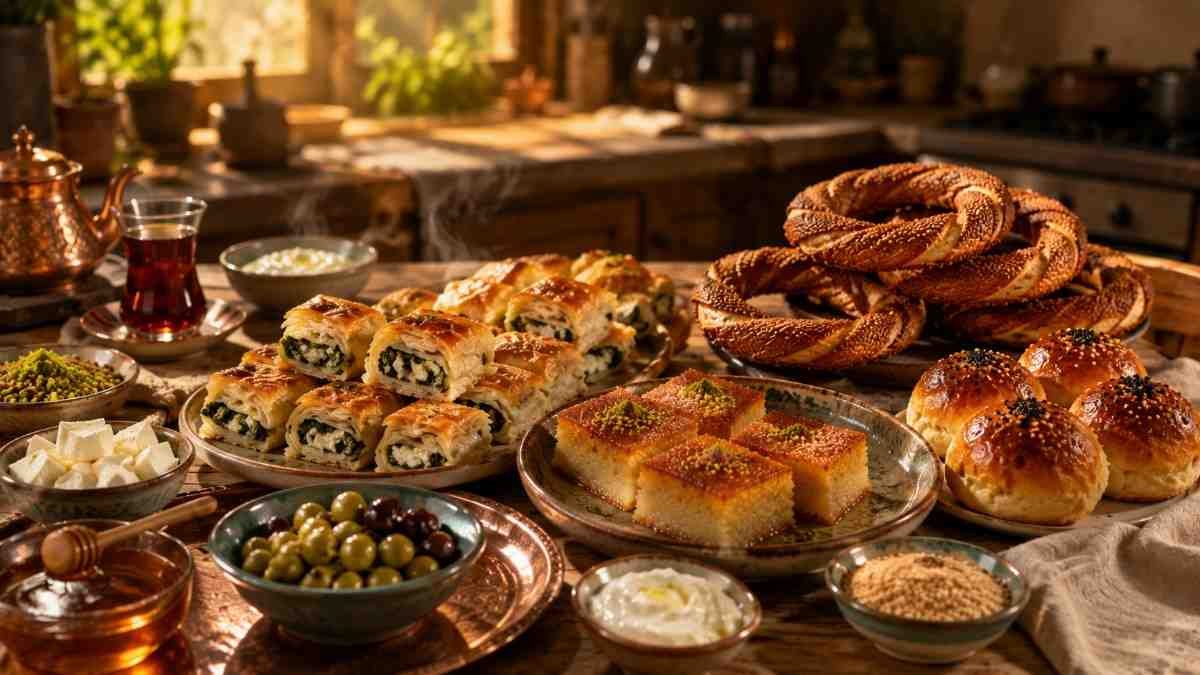
Fresh poğaça tastes best warm from the oven, but it also stores well. Keep cooled buns in an airtight container at room temperature for one day. For longer storage, refrigerate them and reheat gently before serving.
To freeze, let the buns cool completely, then place them in freezer bags. Reheat in the oven or air fryer until warm. The microwave works when you are in a hurry, but the oven brings back the best texture.
Serve poğaça for weekend breakfast, afternoon tea, lunchboxes, road trips, or cozy brunch boards. It pairs beautifully with Turkish tea, olives, sliced cucumber, tomatoes, honey, jam, and extra cheese.
Frequently Asked Questions
1. Can I Make Turkish Poğaça Tarifi At Home Without Yeast?
Yes, you can make turkish poğaça tarifi at home without yeast by using baking powder, but the texture will be more crumbly and biscuit-like instead of fluffy and bread-like.
2. What Cheese Works Best For Poğaça?
Turkish white cheese is traditional, but feta, lor cheese, ricotta mixed with feta, or mild cottage cheese can work. Just keep the filling thick and not watery.
3. Why Is My Poğaça Not Fluffy?
Your dough may have too much flour, inactive yeast, or not enough rising time. Use warm milk, fresh yeast, and let the dough double before shaping.
4. Can I Freeze Poğaça After Baking?
Yes, baked poğaça freezes very well. Cool the buns fully, pack them airtight, and reheat in the oven until warm, soft, and freshly baked tasting.
Golden Buns, Happy Kitchen
This turkish poğaça tarifi at home is the kind of recipe that brings comfort without complication. With soft yeast dough, savory feta and parsley filling, glossy egg wash, and a sesame-topped crust, these classic Turkish breakfast buns feel both rustic and special. Bake them for a slow weekend morning, share them with tea, and let your kitchen smell like a Turkish bakery.