
Turkish Wood Fire Cooking Techniques That Make Food Unforgettable
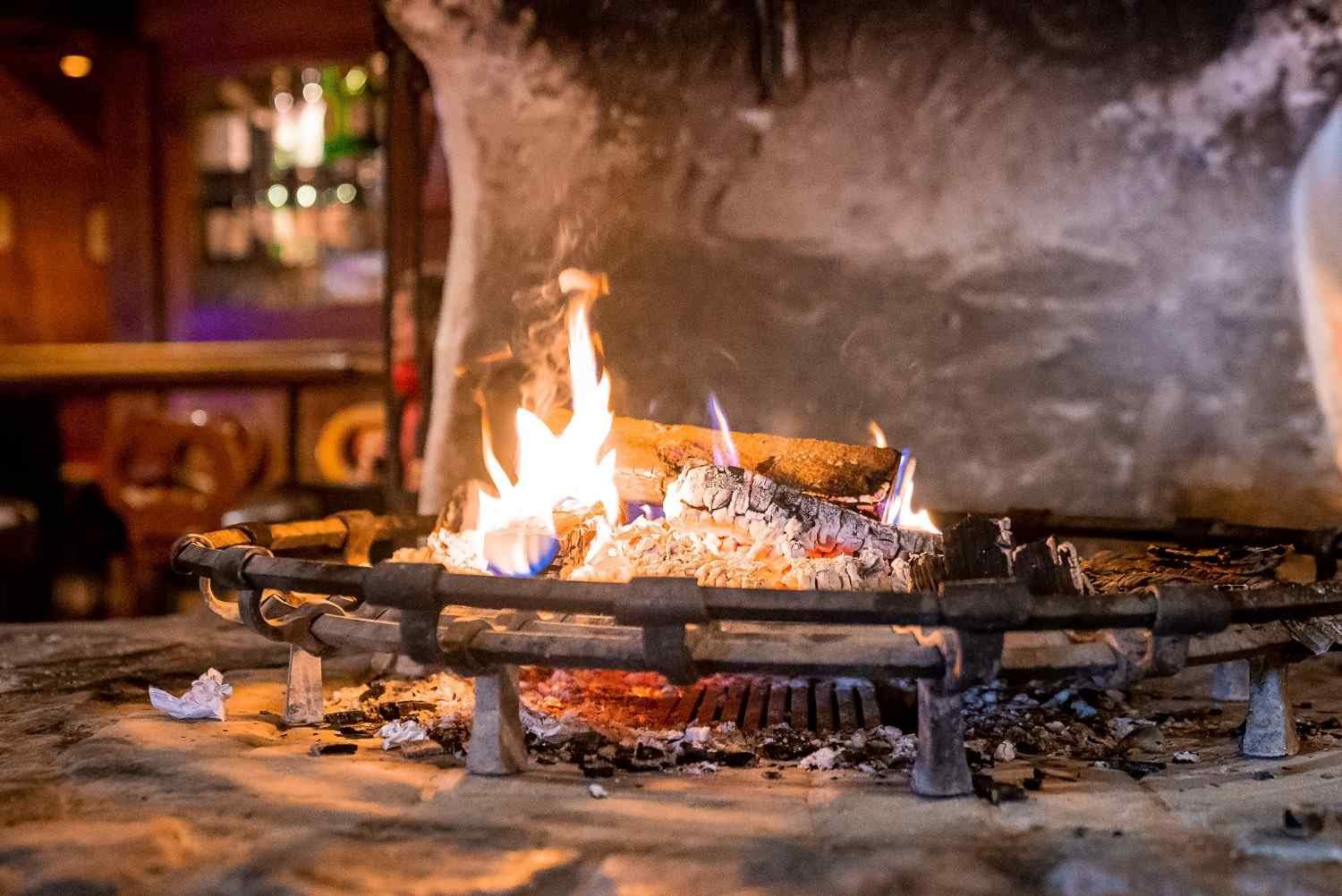
In Turkish culinary tradition, fire is not just a heat source. It is the soul of the food. Smoke, ash, glowing coals, stone heat, clay vessels, and open flames all shape the flavor before the first bite reaches the table. That is why Turkish Wood Fire Cooking Techniques feel so different from ordinary grilling.
For US home cooks, this style of cooking is especially exciting because you do not need a village oven in Anatolia to enjoy it. A backyard pizza oven, charcoal grill, kamado grill, Dutch oven, cast iron pan, baking steel, or pizza stone can help you recreate many of the same smoky textures at home.
The secret is not fancy equipment. The secret is learning how Turkish cooks use flame, airflow, embers, stone, clay, and residual heat.
What Makes Turkish Wood-Fire Cooking Different?
Turkish wood-fired cooking is built around control. Some foods need fierce heat for only a minute or two. Others need slow warmth for hours. Thin lahmacun needs a hot stone floor. Adana kebab needs glowing coals and steady airflow. Tandır lamb needs sealed heat. Eggplant needs embers and ash.
This is why Turkish cooking uses different tools instead of one generic grill. The mangal, taş fırın, sac, tandır, testi pot, and ash bed each create a different kind of flavor. When you understand the purpose of each method, Turkish wood fired cooking recipes become much easier to recreate in a US backyard.
How Does Mangal Cooking Create Juicy Turkish Kebabs?
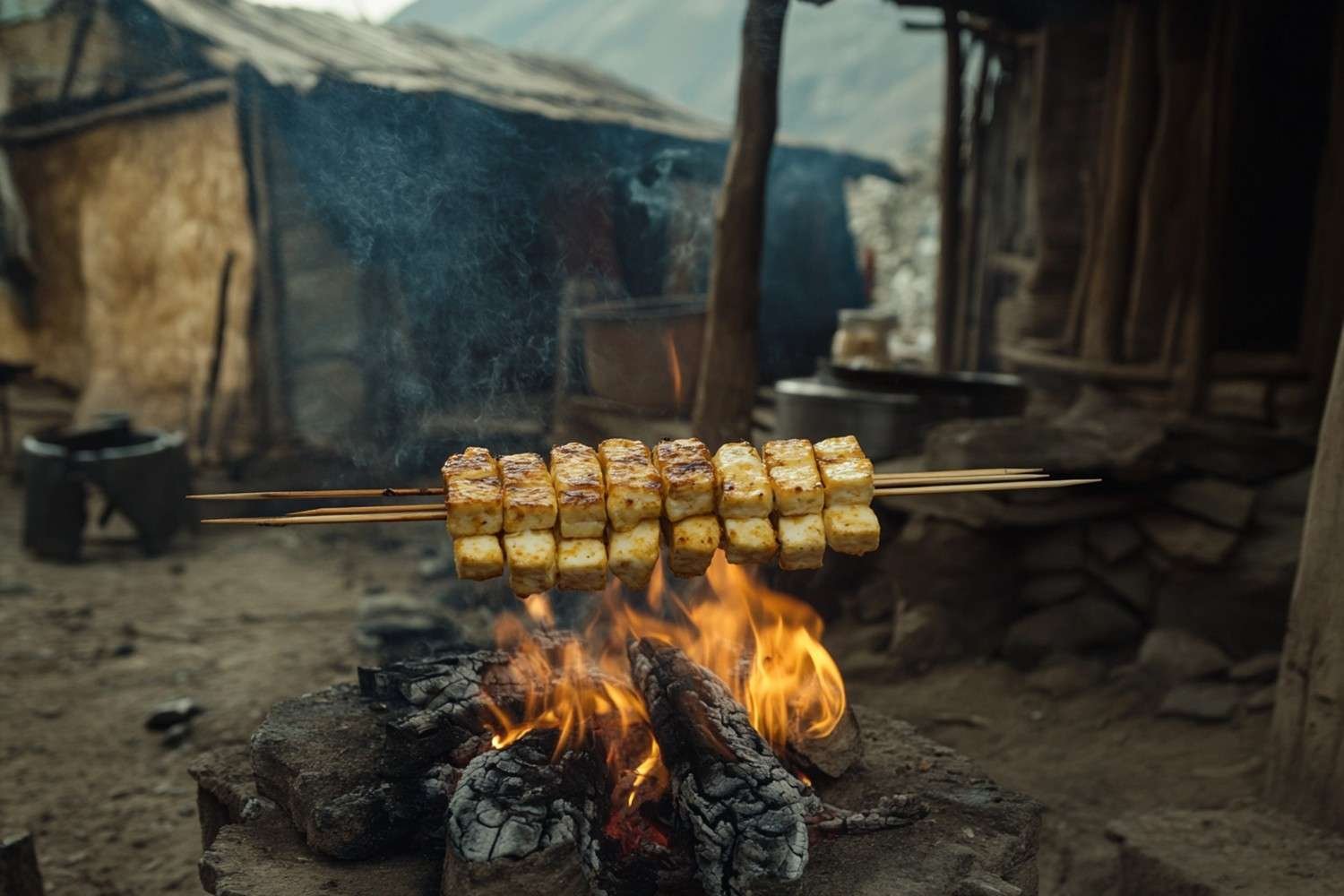
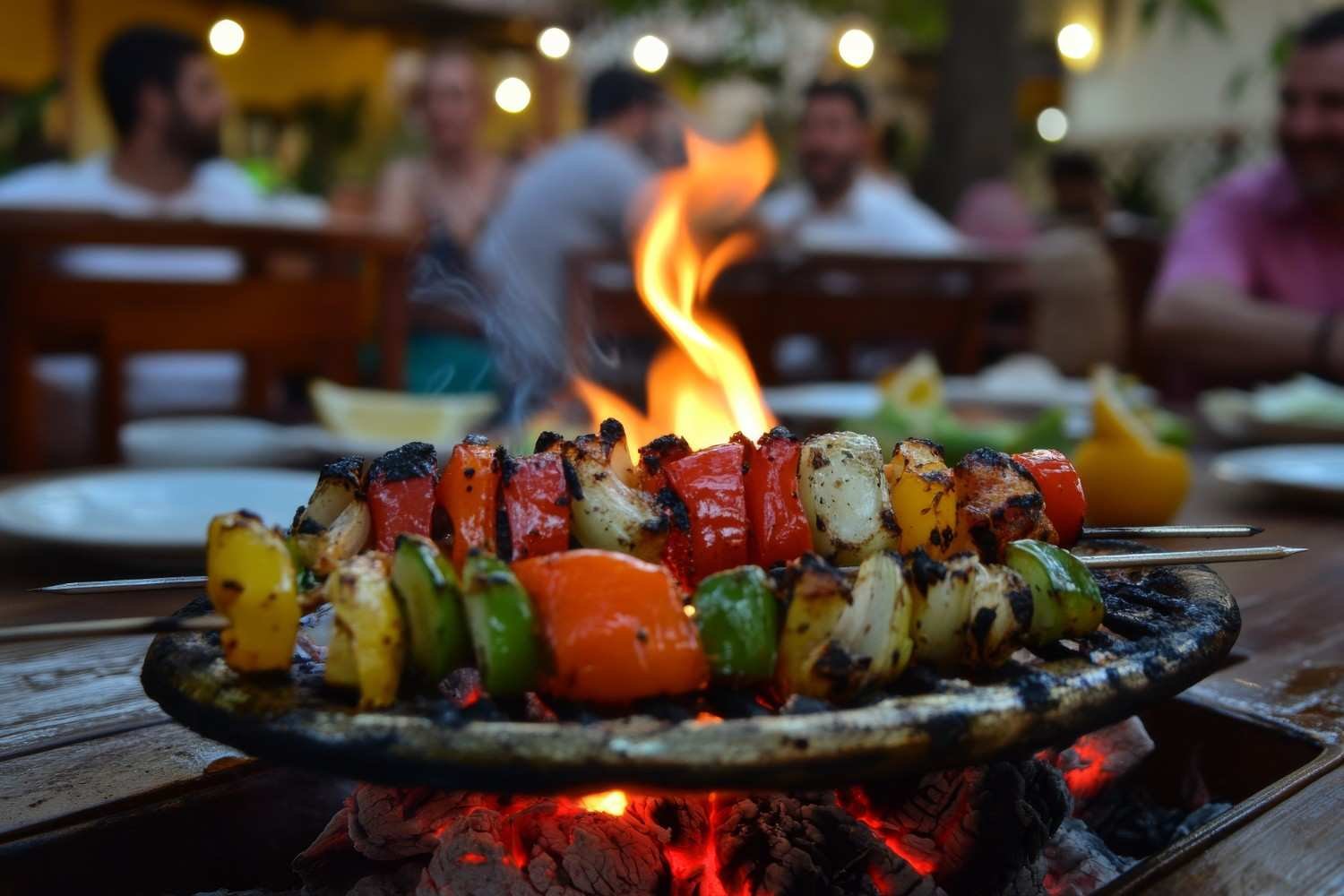
The mangal is the classic Turkish open-box barbecue. It is especially important in kebab regions such as Adana, where ground meat, lamb, peppers, and flat skewers meet intense charcoal heat.
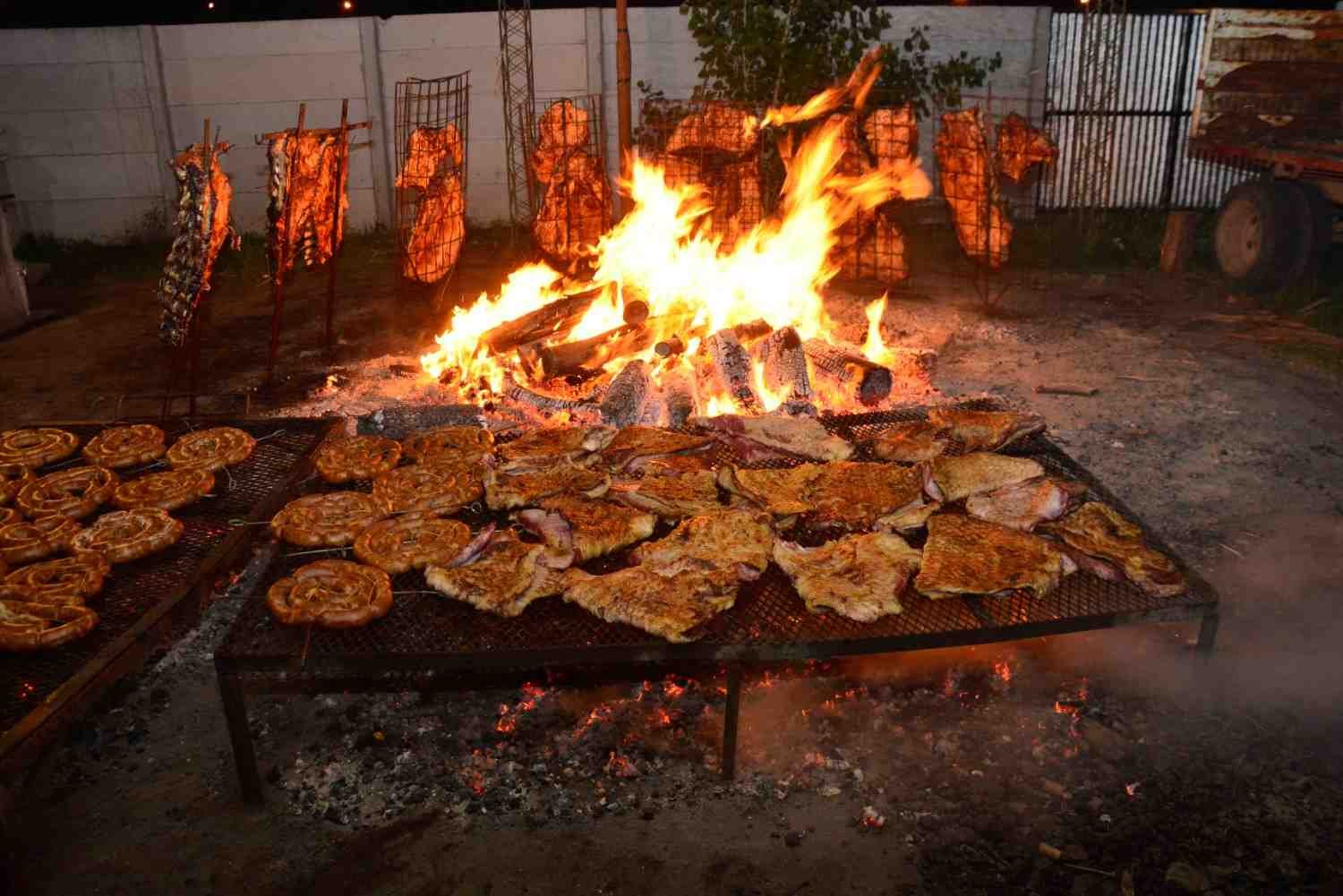
The best mangal cooking starts with hardwood such as oak or citrus wood, often burned down with quality lump charcoal. The fire should become a bed of glowing coals covered with gray ash. That ash matters because it signals steady heat without wild flare-ups.
Turkish cooks often use a hand fan, called a yelpaze, to control airflow. More air strengthens the heat. Less air calms the fire. This careful oxygen control helps prevent dripping fat from turning into aggressive flames.
For Adana-style kebabs, flat iron skewers are important. They hold the meat firmly and transfer heat into the center, helping the kebab cook from the inside and outside at the same time. US home cooks can copy this method with wide metal skewers over a charcoal grill. Keep one cooler side of the grill open so you can move the skewers away from flare-ups when needed.
Why Is Taş Fırın Perfect for Pide and Lahmacun?
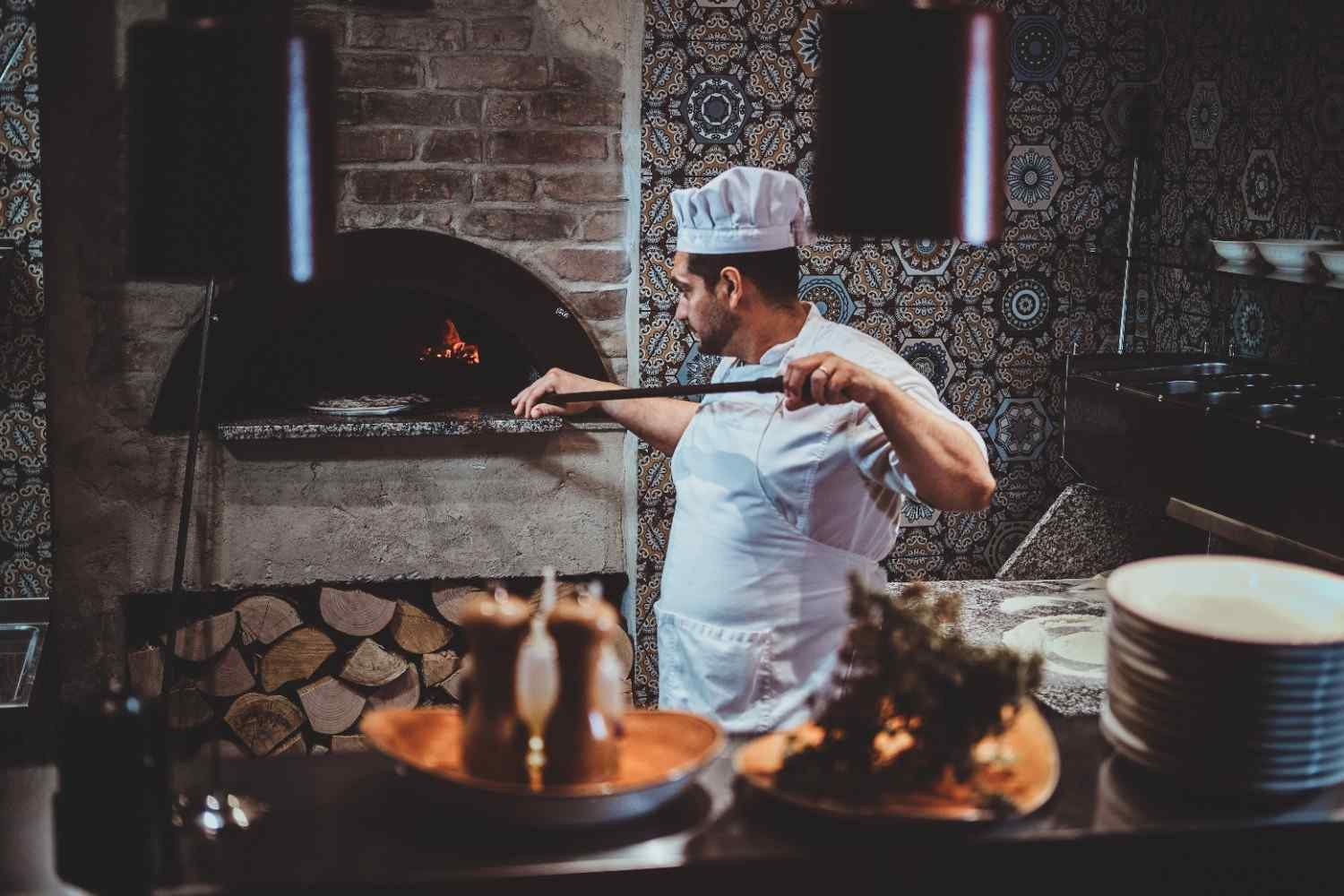
A taş fırın is a traditional stone or brick oven heated by hardwood. It can reach very high temperatures, often around 750°F or more. The fire is usually pushed to the back or side, leaving a clean stone floor for baking.
This oven works beautifully because heat comes from several directions. The stone floor gives instant bottom heat. The dome reflects radiant heat downward. The fire adds smoke and color. That combination flash-bakes Turkish pide, lahmacun, and flatbread.
A thin wood fired lahmacun recipe may cook in 60 to 90 seconds in a very hot stone oven. Pide takes slightly longer because it is thicker and often filled with meat, cheese, egg, or vegetables. The goal is crisp edges, a soft center, and light charring.
For US home cooks, a backyard pizza oven is the closest match. A pizza stone or baking steel inside a hot oven can also work. The main rule is simple: preheat the surface properly. Bread and lahmacun need heat from below, not just heat from the air.
What Is Sac Cooking in Turkish Cuisine?
Sac cooking comes from a more rustic and nomadic side of Turkish food. A sac is a shallow, convex iron griddle placed over wood fire or a wood stove. It looks simple, but it creates a powerful cooking surface.
Thin doughs such as yufka and gözleme cook quickly on the curved surface. The dough blisters without burning when the cook turns it at the right moment. Stuffed gözleme with spinach, cheese, potatoes, or minced meat becomes crisp outside and soft inside.
The sac can also be flipped and used like a wok for sac tava. In that version, small cubes of lamb cook quickly with peppers, tomatoes, onions, and rendered fat. The heat is high, the cooking is fast, and the flavor is bold.
At home in the US, you can get close with a cast iron griddle, wok, carbon steel pan, or outdoor griddle over charcoal or wood fire.
How Does Tandır Cooking Make Lamb So Tender?
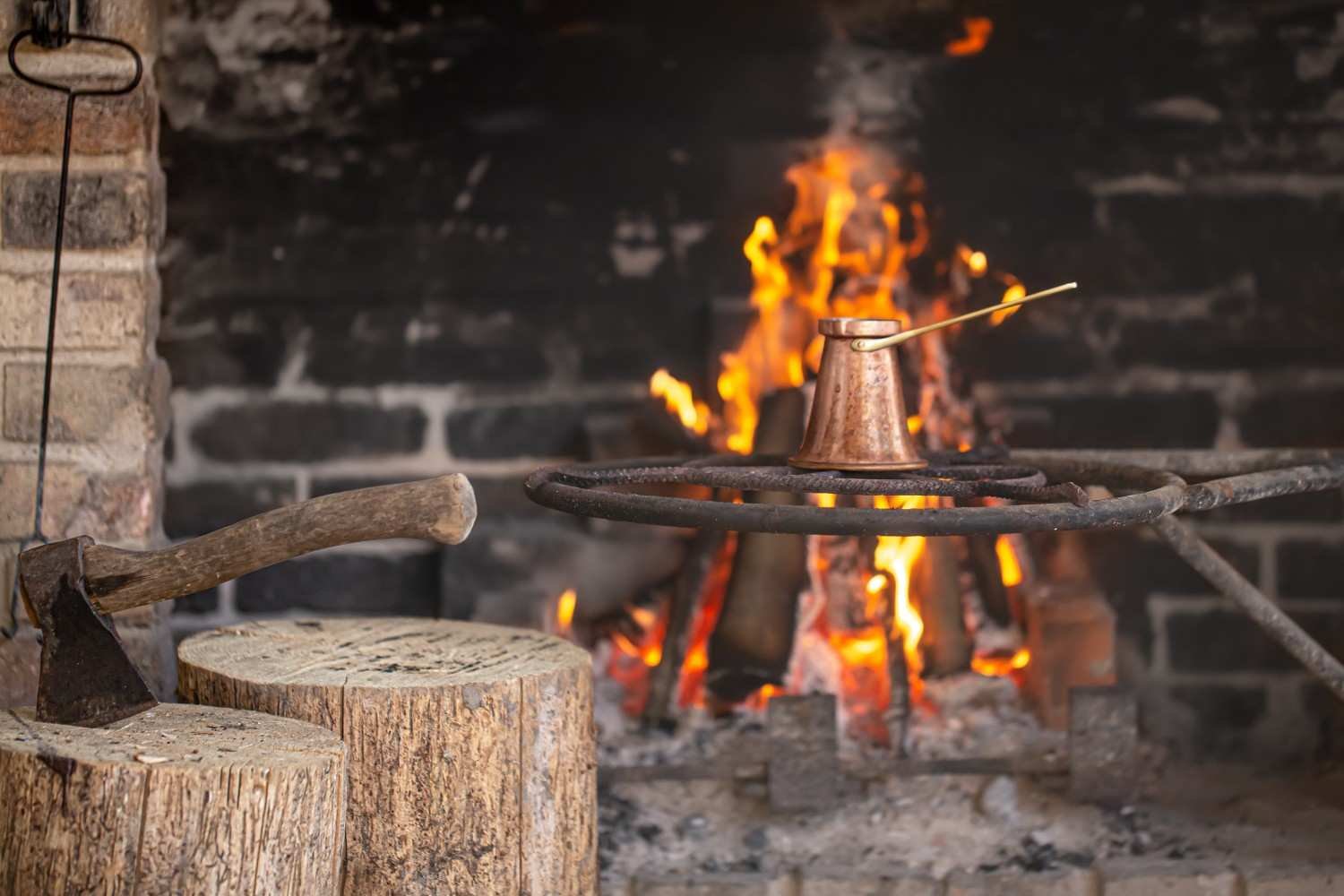
Tandır cooking is one of the oldest and deepest Turkish fire traditions. A true tandır is a clay-lined pit heated by wood burned at the bottom. Once the clay walls become fiercely hot, the pit becomes both oven and smoker.
For bread, dough is slapped onto the vertical clay walls using a padded cushion. The bread clings to the hot surface, puffs, blisters, and cooks quickly. For meat, lamb or mutton can be suspended over the embers, sealed with a heavy lid, and slow-roasted until it falls off the bone.
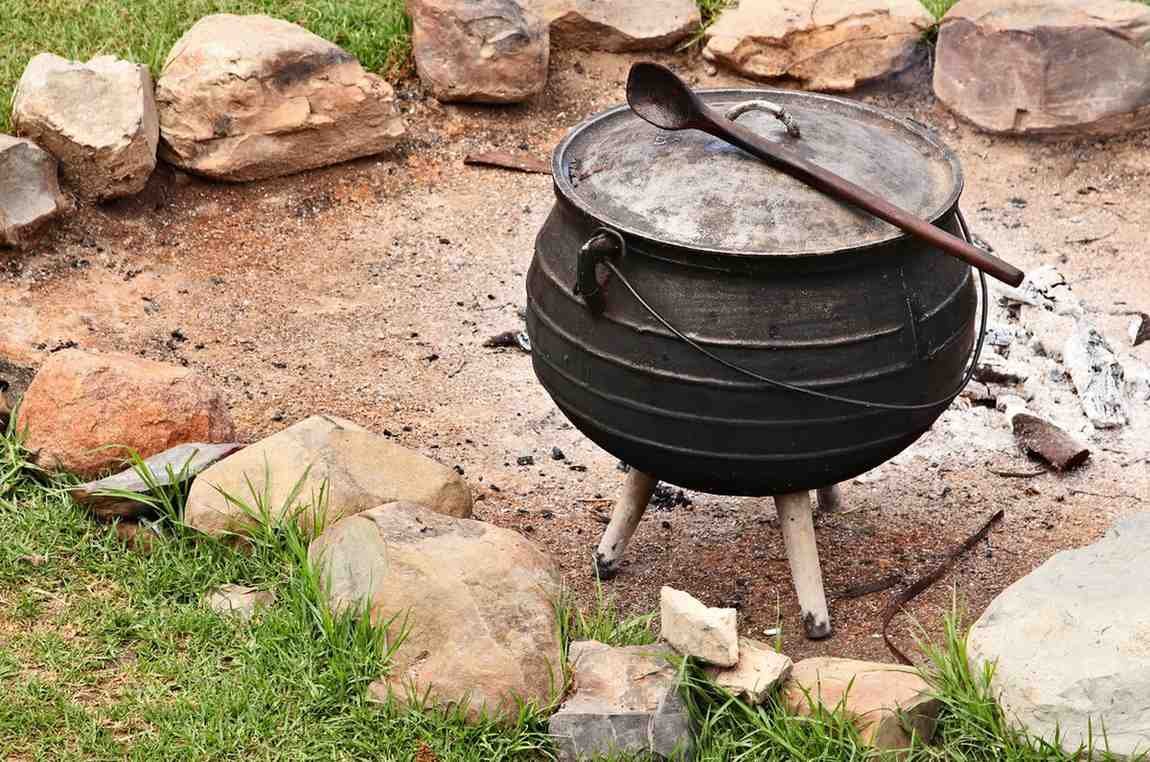
This is the traditional foundation behind kuzu tandır. For US kitchens, a Dutch oven, covered roasting pan, kamado grill, or wood-fired oven with declining heat can recreate the same idea. The key is slow cooking, trapped moisture, and steady residual heat.
How Do Testi and Küp Kebabs Use Clay and Fire?
Testi kebabı and küp kebabı show how Turkish cooking uses clay as part of the flavor. Meat, garlic, tomatoes, peppers, butter, and spices are sealed inside a clay pot with fresh dough. The sealed pot is placed upright in hot embers and ash.
As the pot heats, the ingredients braise gently in their own juices. The clay holds heat evenly, while the dough seal traps steam and aroma. When served, the pot is often cracked open at the table, releasing a rich, smoky stew.
This method may feel dramatic, but US home cooks can adapt it with a clay baker, lidded ceramic pot, or Dutch oven. You may not crack the pot open, but you can still capture the slow-braised flavor.
What Is Kül Kebabı and Ash Cooking?
Kül means ash, and kül kebabı refers to cooking in or under hot wood ash. This ancient method uses the gentle insulated heat left after the fire burns down. It works beautifully for eggplant, onions, garlic, potatoes, peppers, and wrapped meats.
Turkish eggplant roasted in embers is one of the best examples. The skin blackens, the inside turns silky, and the smoky flesh can be used for Hünkâr Beğendi, salads, dips, and kebab sides. The same ash-heat principle is also used for Turkish coffee, where copper pots sit in hot sand or ash-like heat for slow brewing.
This is one of the most flavorful Turkish Wood Fire Cooking Techniques because it uses the quiet heat after the flames disappear.
How Can US Home Cooks Recreate These Methods?
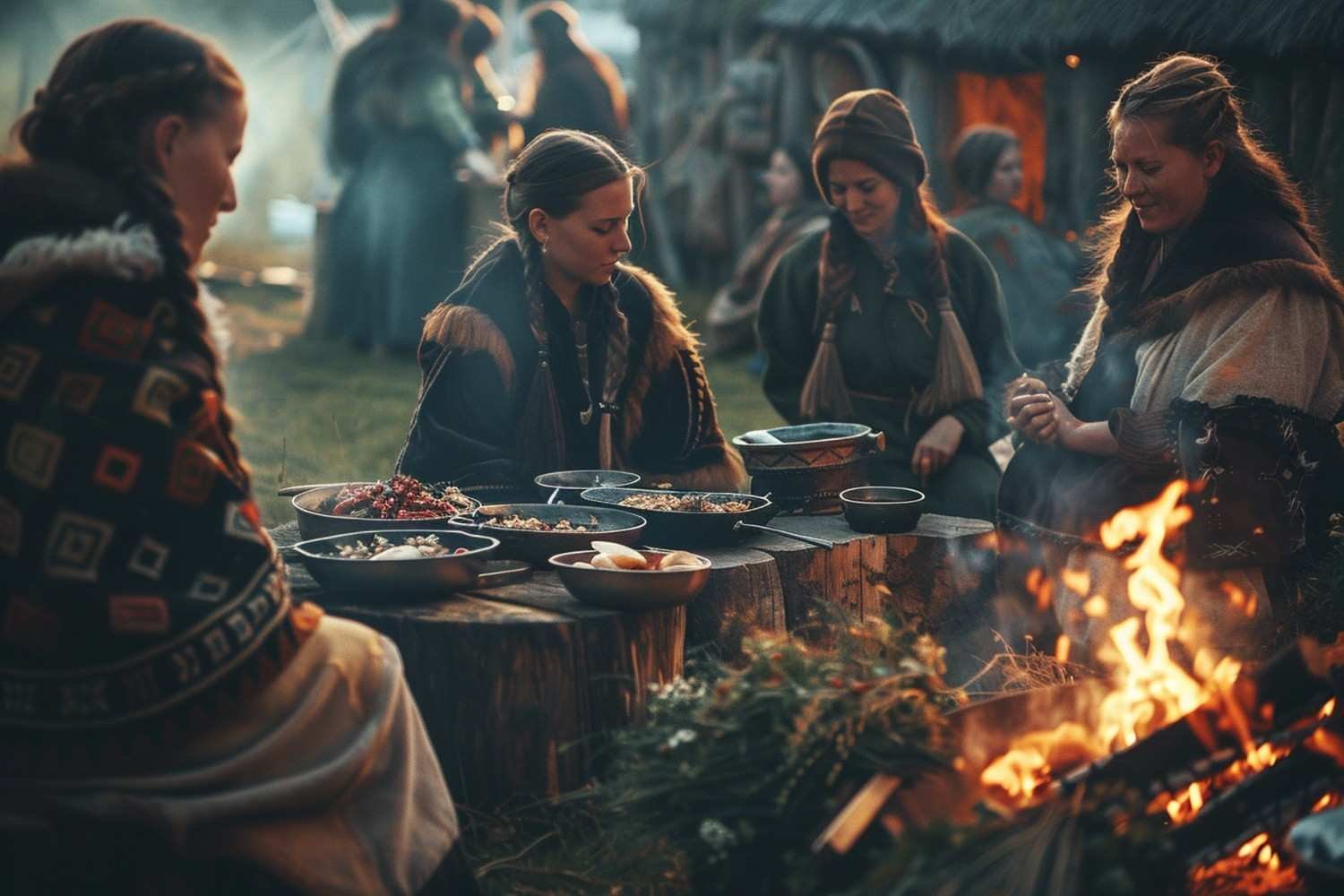
You can recreate many traditional methods with familiar backyard tools. A charcoal grill can stand in for mangal cooking. A pizza oven can copy the power of a taş fırın. A cast iron griddle can mimic sac cooking. A Dutch oven can help with tandır-style lamb. A clay baker can imitate testi kebabı. A bed of hardwood coals can roast eggplant, peppers, and garlic.
The most important thing is to match the food to the right heat. Use direct coals for kebabs. Use stone heat for pide and lahmacun. Use residual heat for lamb. Use ash and embers for vegetables. Use covered clay or cast iron when you want slow moisture and depth.
What Mistakes Should You Avoid?
The biggest mistake is cooking with wet wood. Wet wood creates bitter smoke and weak heat. Use dry hardwood such as oak, beech, maple, apple, cherry, or citrus wood when available.
Another mistake is cooking everything over tall flames. Flames are useful at certain moments, but Turkish food often depends on coals, radiant heat, embers, and heat retention cooking. Too much flame can burn bread, dry out meat, and make vegetables taste harsh.
Do not overload pide, lahmacun, or flatbread with wet toppings. Thin dough needs fast heat and balance. Do not walk away from kebabs either. Skewers need turning, airflow control, and careful attention.
FAQs About Turkish Wood-Fire Cooking
1. What are the most popular Turkish wood fired oven recipes?
The most popular recipes include pide, lahmacun, Turkish bread, tepsi kebabı, kuzu tandır, roasted eggplant, grilled peppers, gözleme, and kebabs.
2. Can I make Turkish wood-fired food without a traditional oven?
Yes. US home cooks can use a backyard pizza oven, charcoal grill, kamado grill, cast iron griddle, Dutch oven, pizza stone, or baking steel.
3. What is the best wood for Turkish cooking?
Dry hardwood works best. Oak, beech, maple, apple, cherry, and citrus wood create steady heat, clean smoke, and strong coals.
4. Why does Turkish kebab taste better over charcoal?
Charcoal gives steady heat, quick browning, and smoky depth. It also helps meat cook evenly without the harsh burn of uncontrolled flames.
5. Is ash cooking safe for vegetables?
Yes, when you use clean hardwood ash and whole vegetables with skins or protective wrapping. Eggplant, onions, garlic, and potatoes work especially well.
Final Thoughts
The beauty of Turkish Wood Fire Cooking Techniques is that every heat source has a purpose. Mangal gives kebabs their smoky char. Taş fırın creates crisp pide and lahmacun. Sac cooking makes thin breads and quick lamb dishes. Tandır turns lamb tender. Testi cooking seals flavor inside clay. Kül cooking uses ash and embers for deep smoky vegetables.
For US home cooks, the goal is not perfect imitation. The goal is to understand the heat and use the tools you already have with more confidence.
Once you learn how Turkish cooks work with flame, stone, clay, coals, and ash, you begin to understand Turkish Wood Fire Food Culture in a practical way. Your backyard meals can taste richer, smokier, and much closer to the food that inspired them.