
7 Homemade Turkish Bread Baking Techniques That Make a Big Difference
There is something incredibly satisfying about pulling a warm loaf of Turkish bread from the oven. The aroma fills the kitchen, the crust crackles as it cools, and the first slice reveals a soft, airy interior. Yet many home bakers discover that following a recipe alone does not always produce the same results they see in bakeries.
The difference often comes down to technique rather than ingredients. Traditional Turkish bread has been refined through generations of baking, with methods designed to create exceptional texture, flavor, and structure.
Understanding these methods can transform an ordinary loaf into something that feels genuinely authentic. These homemade Turkish bread baking techniques focus on how the dough is handled, fermented, shaped, and baked to achieve better results every time.
1. Use a High-Hydration Dough
One of the most effective homemade Turkish bread baking techniques is increasing dough hydration. Traditional Turkish bread dough is often wetter and stickier than many beginner bakers expect.
Instead of continuously adding flour to create a smooth ball, allow the dough to remain slightly shaggy and sticky.
The benefits include:
- Larger air pockets
- Softer crumb structure
- Better oven spring
- Improved moisture retention
A high-hydration dough creates steam as it bakes, helping produce the light and airy texture that makes authentic Turkish bread so appealing.
2. Allow a Slow Cold Fermentation
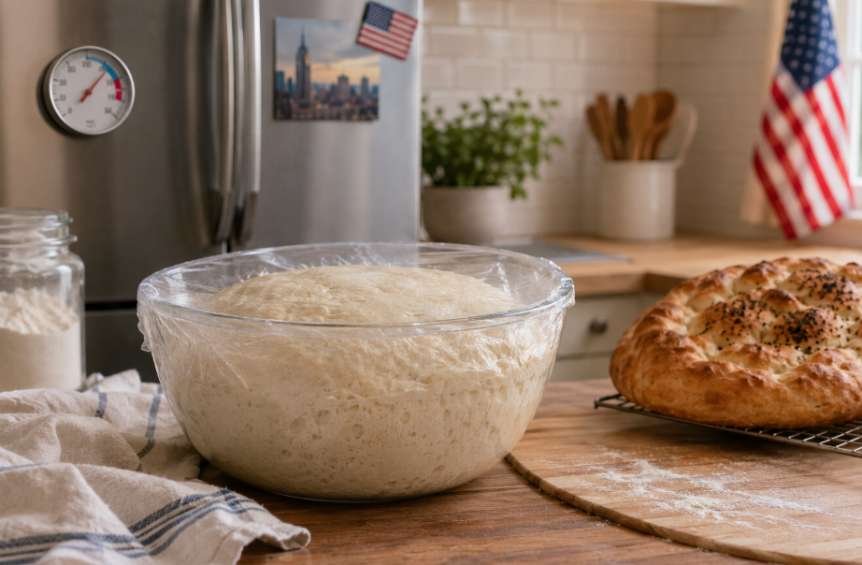
Patience is one of the most overlooked ingredients in bread making.
Many home bakers complete a single rise and bake immediately. While that approach works, an extended cold fermentation develops significantly deeper flavor.
After the initial rise, place the dough in airtight containers and refrigerate it for 24 to 48 hours. During this period, yeast activity slows while enzymes continue breaking down starches into sugars.
The result is a loaf with:
- Richer flavor
- Better crust color
- Improved aroma
- More complex texture
This simple technique is commonly used by artisan bread bakers because it consistently produces superior results.
3. Add Yogurt for Softer Turkish Flatbread
When making Turkish flatbread such as Bazlama, yogurt can make a noticeable difference.Replacing part of the water or milk with plain yogurt changes how the dough behaves.
The natural acidity helps relax gluten development while the fat contributes to a softer crumb. The finished bread remains tender for longer and develops a pleasant richness without feeling heavy.
Many experienced bakers also use this method when preparing homemade healthy snacks because the resulting bread stays soft and versatile for wraps, sandwiches, and quick meals throughout the week.
4. Shape With Wet Fingers Instead of Extra Flour
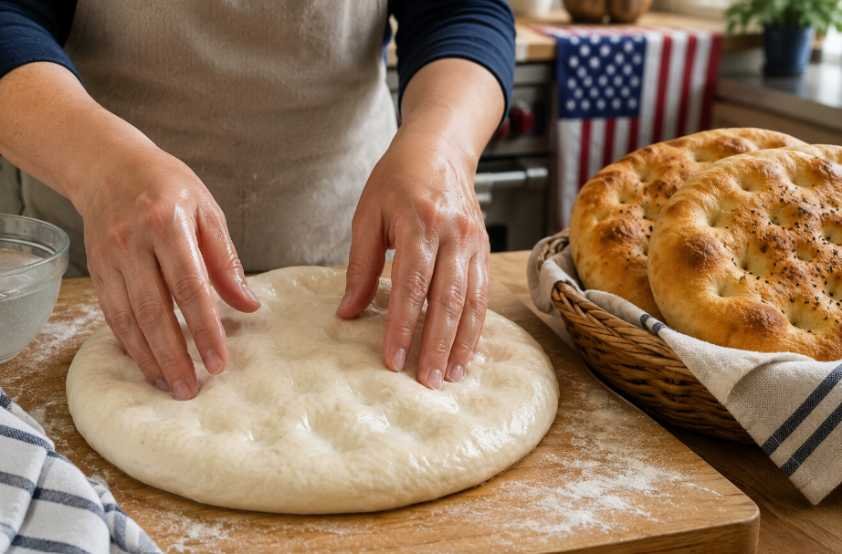
One common mistake is adding excess flour during shaping.
While flour prevents sticking, it can also alter the dough’s hydration balance and lead to a denser final loaf.
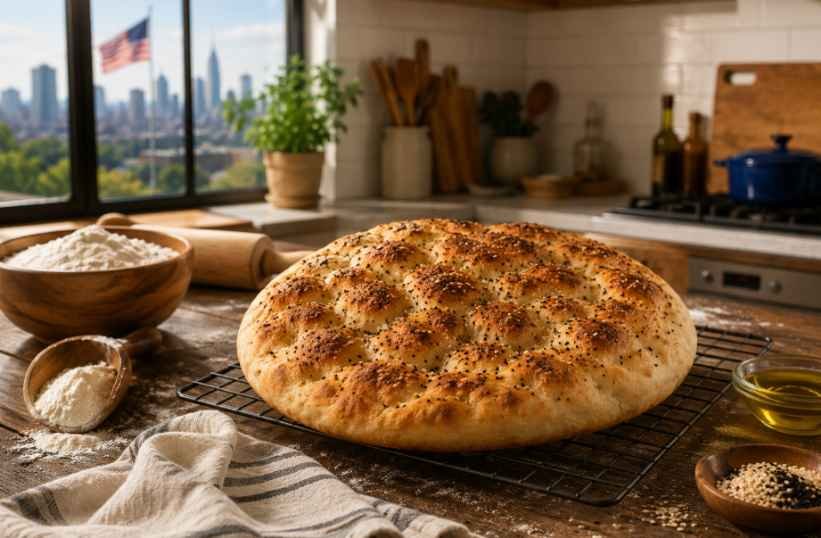
Traditional Turkish bakers often wet their fingers with water or lightly coat them with olive oil before shaping dough. This technique is especially useful when creating the distinctive diamond patterns found on Ramazan Pidesi.
Beyond appearance, these indentations serve an important purpose. They redistribute trapped gas within the dough and help ensure even expansion during baking.
The result is a loaf that rises uniformly and maintains its traditional appearance.
5. Create a Molasses Bath for Simit
Anyone who has tasted authentic Simit knows that its deep brown crust and nutty flavor are instantly recognizable.
Achieving that bakery-style exterior requires more than simply sprinkling sesame seeds on top.
Before baking, dough rings are traditionally dipped into a mixture of warm water and grape molasses, known as pekmez. The dough is then coated generously with toasted sesame seeds.
This process helps:
- Intensify crust color
- Create a glossy finish
- Improve caramelization
- Add depth of flavor
The sugars from the molasses promote rapid browning and contribute to the signature crunch that defines traditional Simit.
6. Maximize Heat and Steam
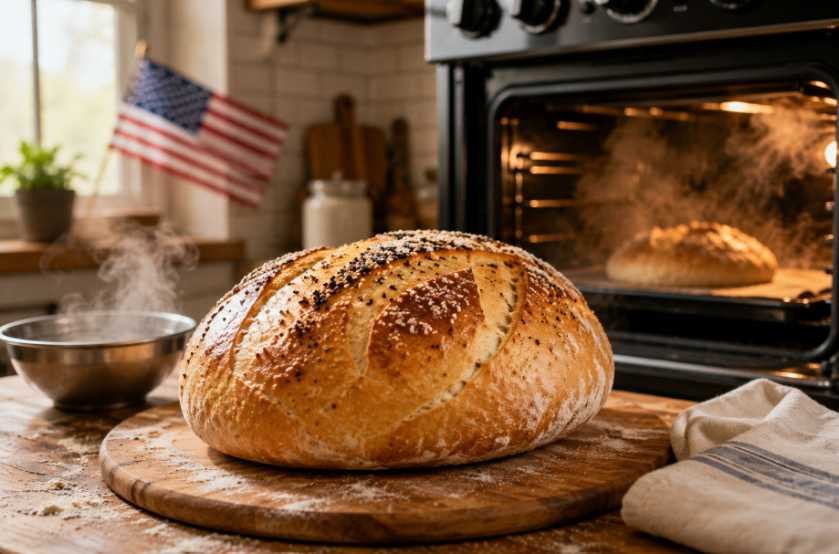
Authentic Turkish bread was historically baked in stone ovens capable of maintaining intense heat.
Home bakers can recreate similar conditions by preheating a baking stone or heavy baking tray at the highest oven temperature available, typically between 450°F and 480°F.
Steam is equally important.
Just before baking, place a separate pan in the oven and add hot water. The steam delays crust formation during the first few minutes of baking, allowing the dough to expand fully.
This combination creates:
- Better oven spring
- Chewier crust
- Improved crumb structure
- More professional-looking loaves
For anyone trying to perfect a homemade Turkish bread recipe, mastering heat and steam often produces the most dramatic improvement.
7. Preserve Moisture After Baking
The baking process does not end when the bread leaves the oven.
Freshly baked bread continues to redistribute moisture as it cools. Handling it correctly during this stage helps maintain softness and prevents the crust from becoming excessively hard.
For flatbreads cooked on a skillet or griddle, immediately wrap them in a clean kitchen towel.
For oven-baked Turkish loaves, a light egg wash or flour-water glaze applied before baking can help lock in moisture while creating an attractive finish.
These small finishing steps are useful for anyone who enjoys making warm, satisfying meals at home, from fresh bread to healthy comfort food recipes for dinner.
This final step preserves the soft texture that many people associate with traditional Turkish bread.
Common Mistakes That Affect Turkish Bread Quality
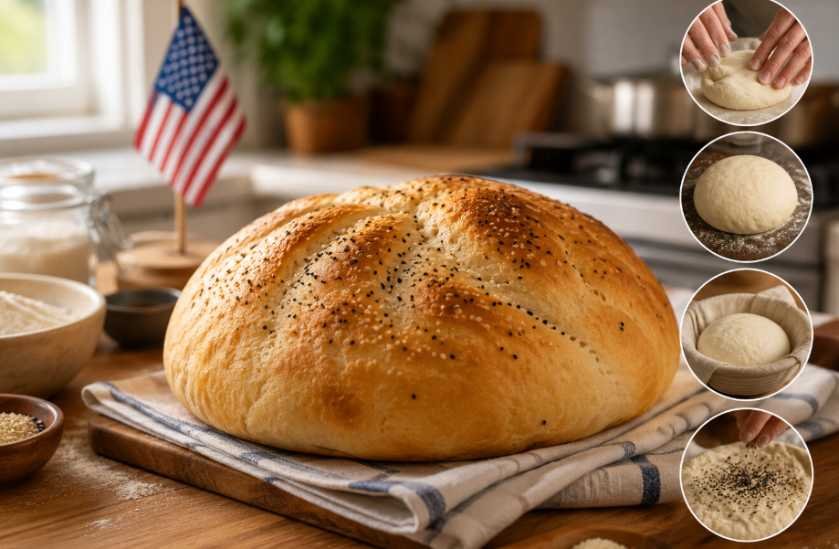
Even experienced bakers occasionally struggle with consistency. Several mistakes repeatedly appear when making homemade Turkish bread.
- Adding too much flour during mixing
- Rushing the fermentation process
- Using cold ingredients directly from the refrigerator
- Baking in an insufficiently heated oven
- Skipping steam during baking
- Cutting the bread before it has cooled properly
Avoiding these issues can dramatically improve results without changing the recipe itself.
Frequently Asked Questions:
1. What is the secret to soft homemade Turkish bread?
The combination of high-hydration dough, proper fermentation, steam baking, and post-bake moisture retention helps create the soft texture associated with traditional Turkish bread.
2. Can I make Turkish bread without a baking stone?
Yes. A heavy baking tray preheated in the oven can mimic many of the benefits of a baking stone and still provide excellent oven spring.
3. Why does Turkish bread have a unique pattern on top?
The distinctive grid or diamond pattern helps control expansion during baking and prevents large air pockets from forming unevenly inside the dough.
4. How long should Turkish bread dough ferment?
For the best flavor and texture, many bakers recommend a cold fermentation period of 24 to 48 hours after the initial rise.
Final Thoughts
Mastering homemade Turkish bread baking techniques is less about finding a perfect recipe and more about understanding how dough behaves throughout the process.
From increasing hydration and slowing fermentation to using steam and preserving moisture after baking, each technique contributes to a loaf with better flavor, texture, and structure.
Small adjustments often produce the biggest improvements, which is why experienced bakers focus on process as much as ingredients.
The more you practice these techniques, the more consistently you’ll create Turkish bread that looks, tastes, and feels truly authentic.