



Essential Tools For Rustic Baking: Set Your Turkish Kitchen
A flour-dusted counter, warm bread on a wooden board, and the smell of toasted sesame can make any kitchen feel like a small village bakery. The right essential tools for rustic baking help you make crusty breads, galettes, hearty cakes, bazlama, pide, and Turkish-inspired bakes with ease, confidence, and real homemade charm.
Key Takeaways
- Start simple.
- Measure carefully.
- Use steady heat.
- Shape gently.
- Choose tools that improve dough, crust, texture.
- Add Turkish-style flavor without overcrowding your kitchen.
Rustic Baking Basics
Rustic baking is all about simple ingredients, natural texture, and food that looks handmade in the best possible way. It does not chase perfect bakery shapes. It celebrates golden crusts, airy crumbs, rough edges, and deep flavor built through patience.
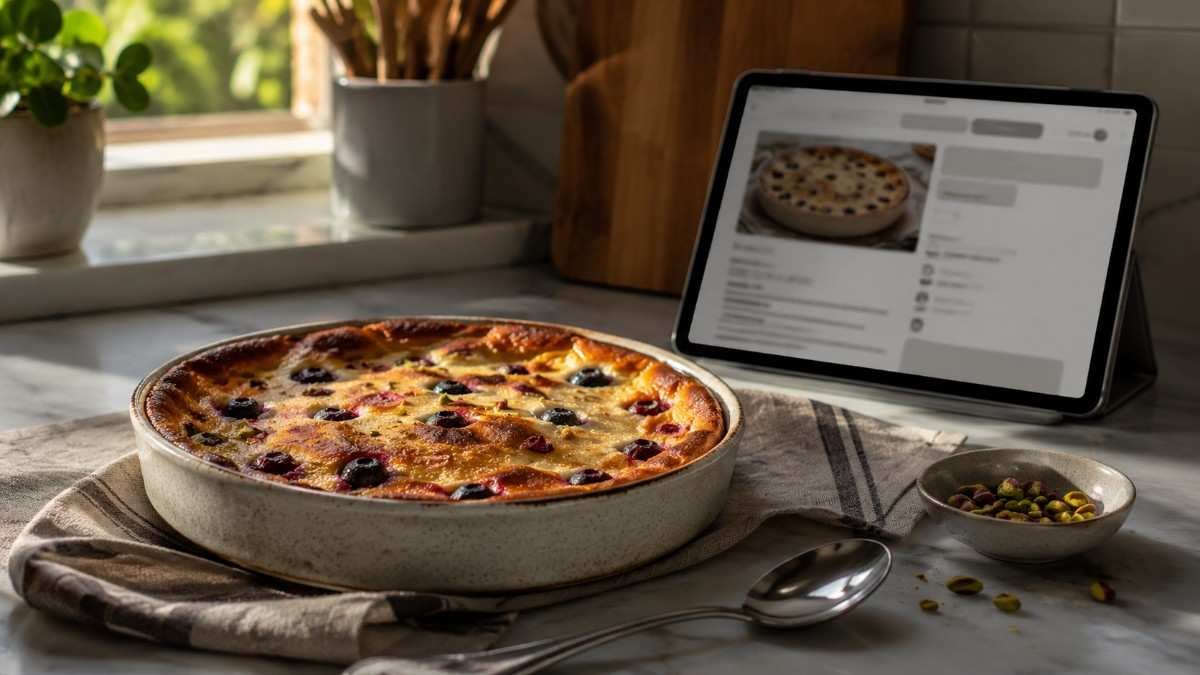
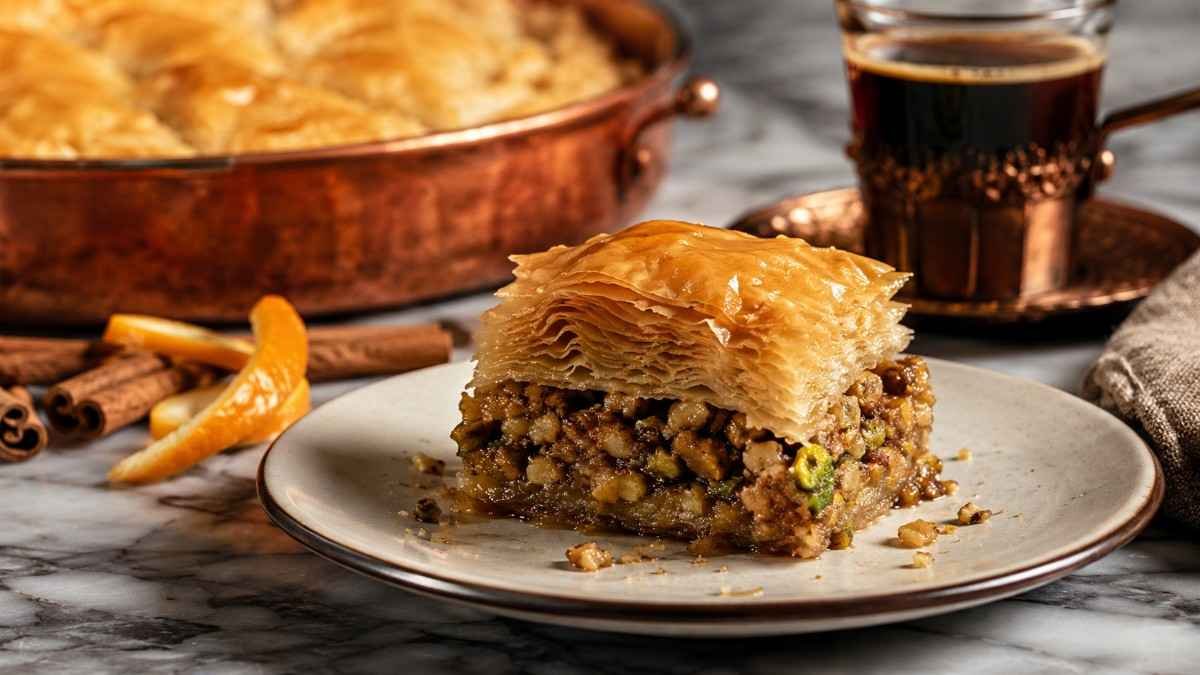
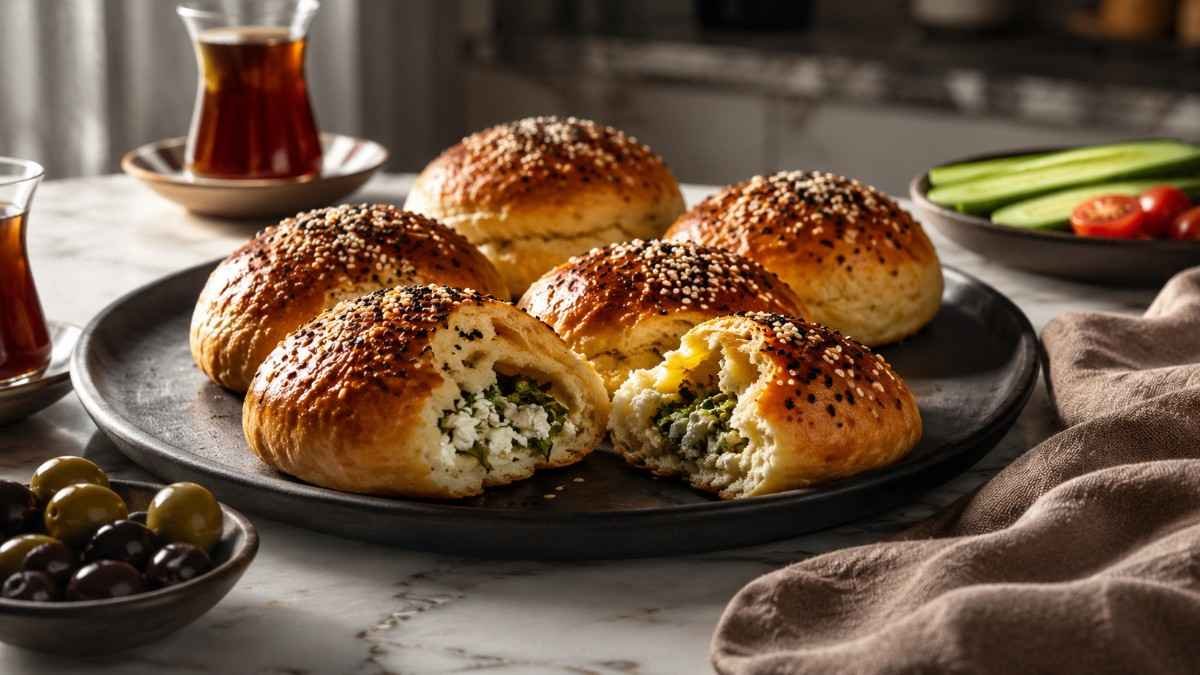
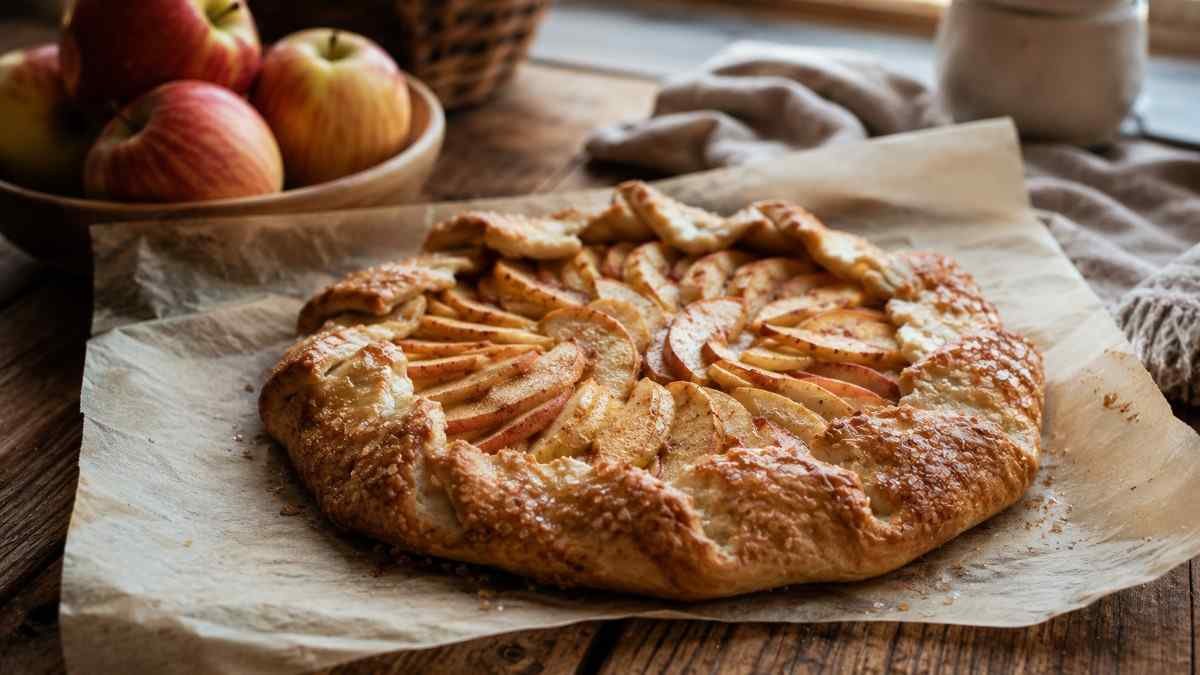
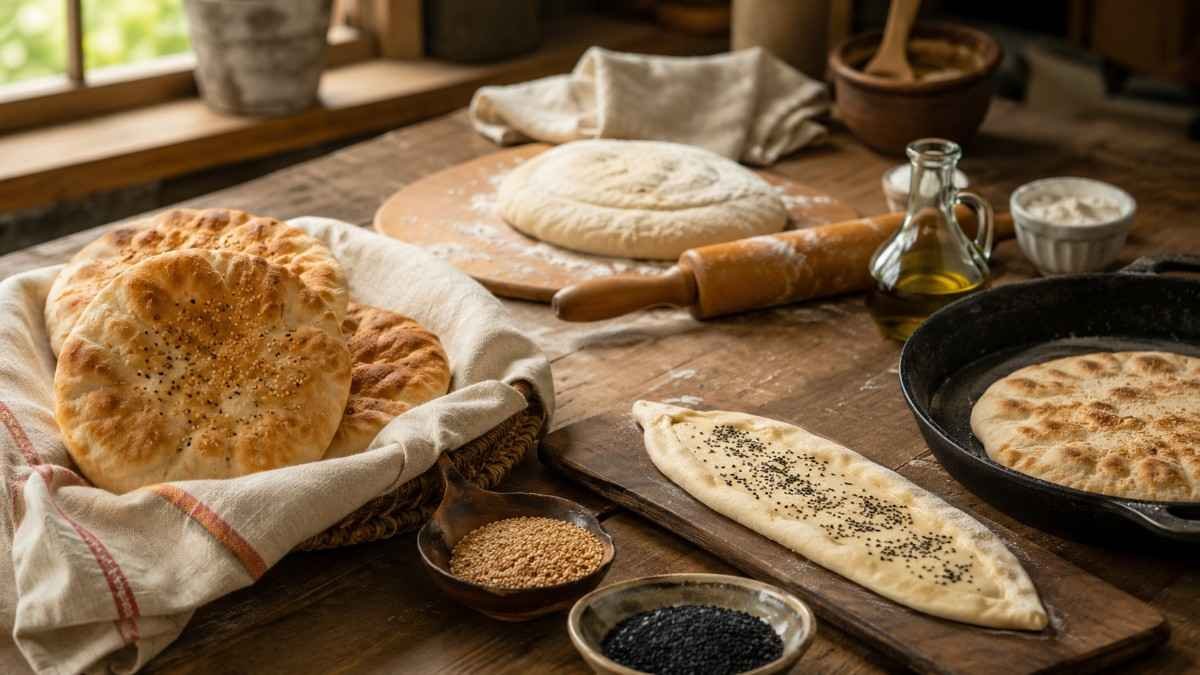
In Turkish kitchens, this style feels especially natural. Think of bazlama flat bread on a hot skillet, pide browning in the oven, gözleme rolled thin by hand, or a rustic cake made with yogurt, olive oil, walnuts, figs, or seasonal fruit.
The beauty of rustic baking is that you do not need complex electrical equipment. You need practical baking tools that help your hands do better work. Once you understand dough, heat, and rest time, simple tools can create impressive results.
Mixing And Prepping Tools
Good rustic baking begins before the dough rises. Mixing and prepping tools help you bring flour, water, yeast, starter, oil, yogurt, seeds, and fruit together without overworking the mixture.
Danish Dough Whisk
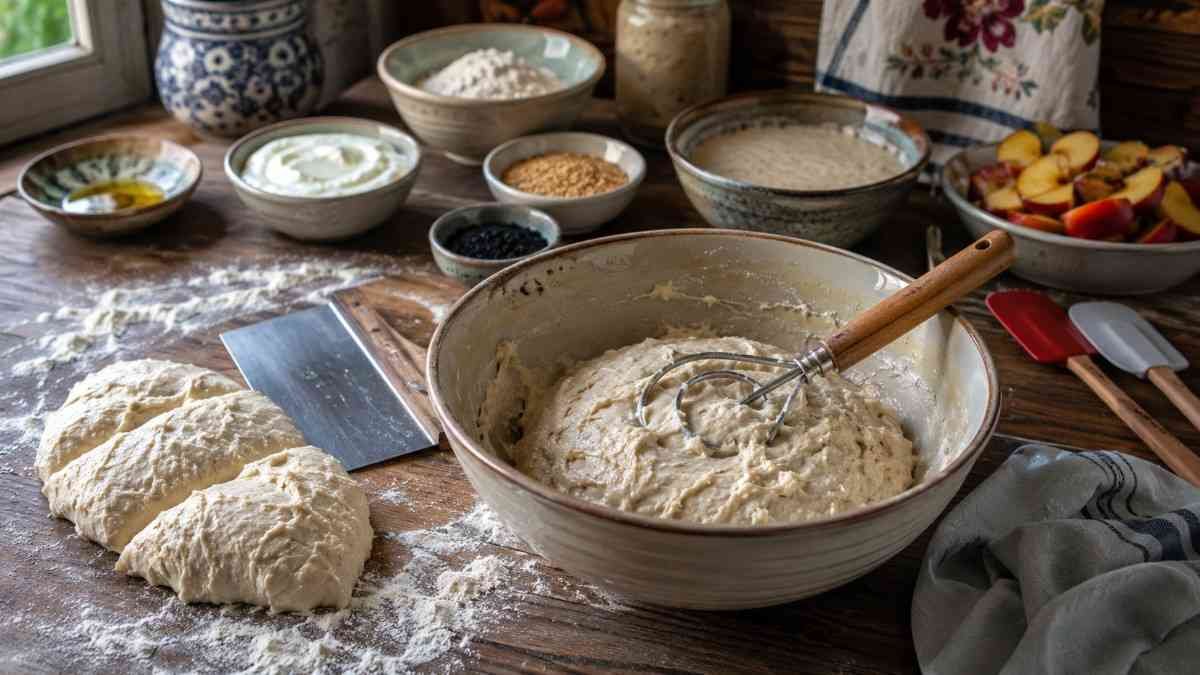
A Danish dough whisk is excellent for shaggy, wet doughs like sourdough, no-knead bread, and rustic Turkish-style loaves. Its looped wire design cuts through sticky dough better than a spoon and mixes ingredients without making the gluten too tight.
This tool is especially useful when working with high-hydration bread dough. It blends flour and water evenly, so the dough starts strong before resting, folding, or shaping. For beginners, it also makes sticky dough feel less intimidating.
Bench Scraper
A bench scraper is a flat, firm tool that helps divide dough, lift sticky pieces, shape rustic loaves, and clean your wooden work surface. It is one of the most hardworking tools in any bread baking setup.
Use it for portioning pide dough, cutting galette pastry, moving soft sourdough, or scraping flour from the counter. It keeps your hands cleaner and helps you avoid adding too much extra flour, which can make rustic bread dense.
Flexible Silicone Spatulas
Flexible silicone spatulas are perfect for scraping bowls, folding batters, and handling delicate mixtures. They are especially helpful for yogurt cakes, olive oil cakes, fruit fillings, and soft rustic batters that should not be deflated.
Choose heat-resistant spatulas with a sturdy handle. They help you use every bit of dough or batter, reduce waste, and make cleanup easier. In everyday Turkish home baking, that kind of practical efficiency matters.
Measuring For Better Dough
Rustic baking may look relaxed, but strong results come from balance. Flour, water, salt, yeast, and starter ratios can change the feel and flavor of your bake.
Digital Kitchen Scale
A digital kitchen scale is one of the most essential tools for rustic baking because it gives accuracy in grams. Measuring flour with cups can be inconsistent, especially when flour is packed, sifted, or scooped differently each time.
A scale is vital for rustic breads, sourdough, pide, and high-hydration doughs where small changes affect texture. It also helps when using whole wheat flour, rye flour, or semolina, which absorb water differently.
Simple Measuring Support
Measuring spoons and a clear liquid measuring cup are still useful for small amounts of salt, yeast, honey, molasses, olive oil, or yogurt. In Turkish-inspired baking, these ingredients often bring flavor, softness, and color.
For example, grape molasses can deepen the crust of simit-style breads, while yogurt can make cakes and flatbreads tender. Accurate measuring keeps those flavors balanced instead of overpowering the dough.
Proofing And Shaping Gear
Proofing and shaping tools help rustic dough rise with structure. They also create the surface tension needed for a better crust and a lighter crumb.
Banneton Proofing Basket
A banneton, also called a proofing basket, supports artisan bread as it rises. It helps the dough hold shape and gently wicks moisture from the surface, creating a skin that bakes into a crisp crust.
For rustic Turkish-style loaves, a banneton adds structure without making the bread look too polished. A towel-lined bowl dusted with flour is a good substitute if you are building a budget baking kit.
Lame Scoring Tool
A lame is a razor-sharp scoring tool used to cut the top of bread before baking. Scoring controls how the loaf expands in the oven and prevents random tearing.
It also creates the beautiful bloom people love on crusty hearth breads. For a simple substitute, use a clean razor blade. The cut should be confident, quick, and shallow enough to guide the rise.
Thin Rolling Pin
A thin wooden rolling pin is especially useful for Turkish rustic baking. It gives better control when rolling gözleme, yufka-style dough, flatbreads, and free-form pastry.
Unlike a heavy rolling pin, it lets you feel the dough under your hands. That matters when you want a tender bite, even thickness, and a handmade finish.
Baking Tools For Crust
Heat is where rustic baking becomes magical. The right baking tools create steam, browning, oven spring, and that satisfying contrast between crisp crust and soft center.
Cast Iron Skillet
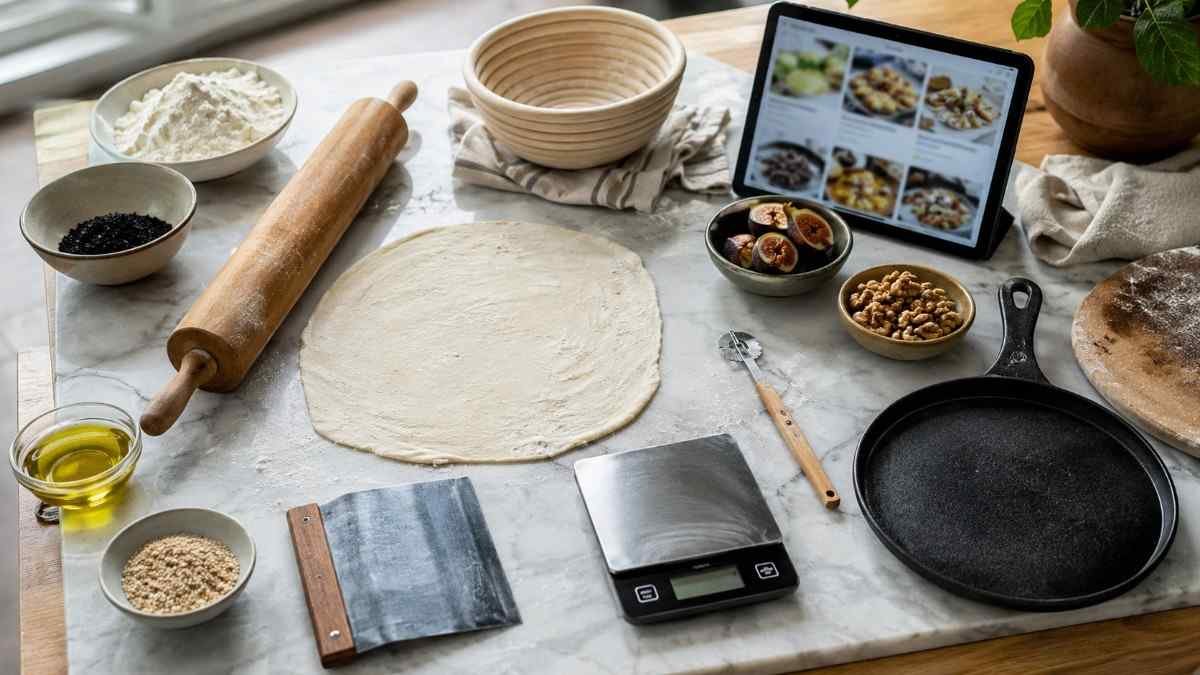
A cast iron skillet is a versatile workhorse for rustic baking. It holds heat beautifully and works for bazlama, focaccia, sourdough breads, skillet cornbread, fruit cobblers, hearty cakes, and savory Turkish-inspired bakes.
It also gives excellent browning. Use it on the stovetop for flatbreads or in the oven for rustic cakes and galettes. With proper care, cast iron becomes better over time and fits naturally into a homestyle kitchen.
Dutch Oven
A Dutch oven is the secret to an authentic bakery-style crust on artisan bread. It traps steam released by the dough during the first stage of baking, allowing the loaf to expand fully before the crust sets.
This oven spring creates height, shine, and a crisp exterior. For rustic sourdough, village-style bread, or no-knead loaves, a Dutch oven can make a home oven perform much better.
Baking Stone Or Steel
A baking stone or steel gives strong bottom heat, which helps pide, rustic pizza-style flatbreads, and hearth loaves bake evenly. Preheating is important because the dough needs instant heat when it touches the surface.
A stone gives steady, gentle heat. A steel gives stronger heat and faster browning. Both are useful if you bake bread, pide, or flatbreads often.
Healthful Turkish Ingredients
Rustic baking can be both comforting and nourishing when you choose thoughtful ingredients. Turkish cuisine offers many wholesome additions that bring flavor, texture, and nutrition.
Whole wheat flour adds fiber and a nutty taste. Yogurt brings tenderness and protein. Olive oil adds richness and supports heart-friendly eating when used in moderation. Sesame seeds and walnuts add healthy fats, crunch, and minerals.
Fermented doughs, including sourdough-style breads, may be easier for some people to digest. Pair rustic breads with lentil soup, olives, ezme, fresh herbs, or yogurt dips for a balanced Turkish-style meal.
Use Essential Tools For Rustic Baking
This practical flow shows how essential tools for rustic baking work in a real kitchen, from mixing to serving.
Mix With Control
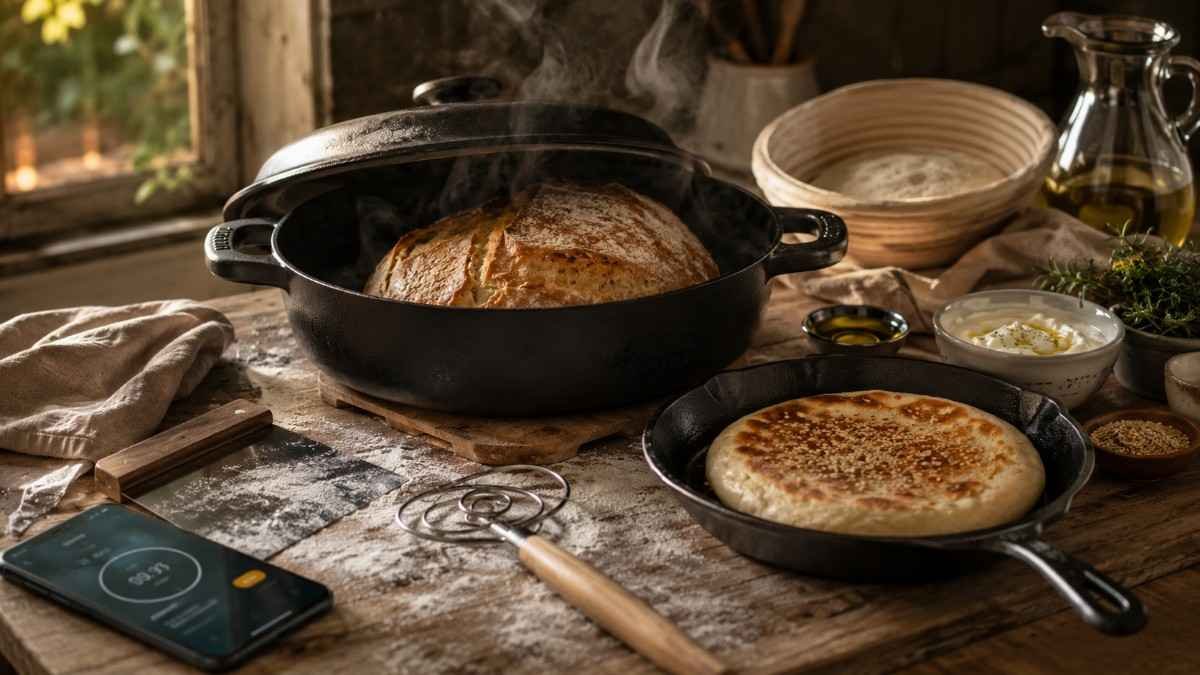
Weigh flour, water, salt, and yeast or starter. Mix with a Danish dough whisk until shaggy, then rest so the flour absorbs moisture. Fold gently with damp hands or a spatula.
Shape With Confidence
Move dough to a lightly floured surface and divide it with a bench scraper. Shape bread with surface tension, stretch pide into ovals, and keep galette edges relaxed.
Bake For Texture
Preheat your Dutch oven, skillet, stone, or steel for better lift and crust. Score bread with a lame, finish with sesame, nigella, olive oil, or yogurt glaze, then cool before slicing.
Frequently Asked Questions
1. What Are The Essential Tools For Rustic Baking?
The essential tools for rustic baking include a digital kitchen scale, Danish dough whisk, bench scraper, silicone spatula, banneton, lame, cast iron skillet, Dutch oven, and baking stone or steel.
2. Can I Bake Rustic Bread Without A Dutch Oven?
Yes, you can use a heavy covered pot, hot baking stone, or preheated tray with steam. A Dutch oven helps, but rustic bread is still possible with smart substitutes.
3. Which Turkish Bakes Use Rustic Baking Tools?
Bazlama, pide, gözleme, simit-style breads, yogurt cakes, fruit galettes, and savory flatbreads all benefit from rustic baking tools that support mixing, shaping, proofing, and strong heat.
4. Are Essential Tools For Rustic Baking Beginner Friendly?
Yes, essential tools for rustic baking are beginner friendly because they simplify sticky dough, improve measuring, guide shaping, and help home ovens create better crust without complicated machines.
Final Crumb Party
Essential tools for rustic baking are not about filling drawers with gadgets. They are about making simple food taste fuller, look warmer, and feel more handmade. With a scale, whisk, scraper, banneton, Dutch oven, cast iron skillet, and Turkish staples like yogurt, olive oil, sesame, and whole grains, your kitchen can turn everyday dough into something truly memorable.