


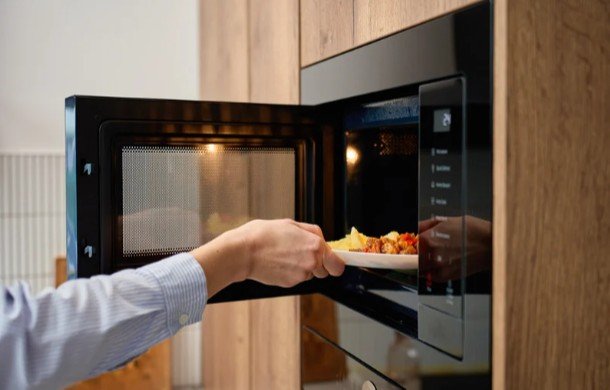
How to Use a Microwave More Efficiently
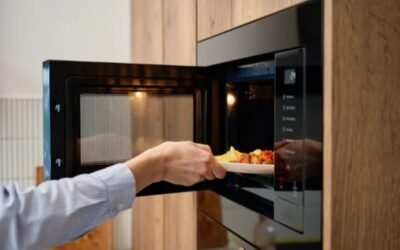
I used to treat my microwave like a quick heat button. I pressed start, waited, stirred when something exploded, and hoped the food came out fine. Once I understood How to Use a Microwave More Efficiently, I realized this small kitchen appliance can save time, reduce waste, protect food texture, and make everyday cooking much easier.
A microwave works best when it is used with the right container, power level, portion size, and timing. It is not just for reheating coffee or warming leftovers. With smarter habits, it can help cook vegetables, defrost meat, soften ingredients, reheat meals evenly, and reduce the need to turn on a large oven for small portions.
Why Microwave Efficiency Matters in Everyday Cooking
Microwave efficiency is not only about electricity. It is also about using less time, avoiding overcooked food, preventing mess, and getting better results with less effort. Many people waste energy by heating food too long, using the wrong container, or reheating large portions unevenly.
A microwave is especially useful for small meals, leftovers, frozen foods, and quick prep tasks. Instead of heating a full oven for one plate of food, the microwave focuses energy directly on the food. This makes it a practical option for busy households, apartment kitchens, meal prep routines, and quick weeknight meals.
Use the Right Power Level Instead of Always Choosing High
The biggest microwave mistake is using full power for everything. High power is useful for liquids, soups, steamed vegetables, and quick reheating, but it is not ideal for every food.
Lower power settings give heat more time to spread through the food. This is helpful for defrosting meat, softening butter, melting chocolate, reheating rice, and warming thick leftovers. Using medium power can also prevent rubbery eggs, dry chicken, and overheated pasta.
Match Cooking Time to Your Microwave Wattage
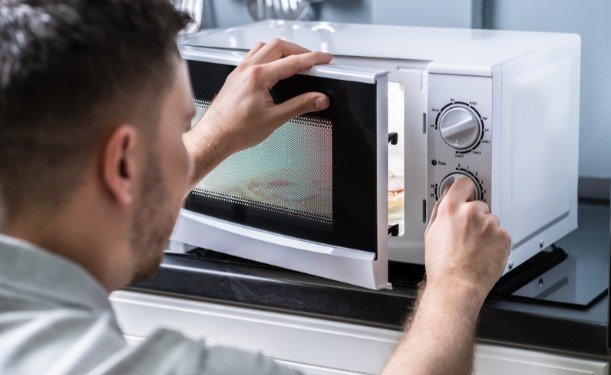
Not every microwave heats the same way. A 700-watt microwave needs more time than a 1,200-watt model. This is why frozen meal instructions for reheating and online recipes may not always work perfectly in your kitchen.
Check the label inside the microwave door or on the back of the appliance to find the wattage. If your microwave is more powerful than the recipe expects, reduce the cooking time or use a lower power level. If it is less powerful, add short bursts of time instead of guessing one long cycle.
Cover Food to Keep Moisture In
Covering food is one of the easiest ways to improve reheating. A microwave-safe lid, paper towel, or vented cover helps trap steam, reduce splatter, and keep food from drying out. This is especially useful for rice, pasta, casseroles, vegetables, and sliced meat.
The cover should not be sealed tightly unless the container is designed for microwave use. Steam needs a small opening to escape. A loose cover gives you better moisture control without creating pressure inside the container.
Stir, Rotate, and Let Food Rest
Standing time matters too. Food continues heating for a short period after the microwave stops. Letting food rest for one or two minutes helps the heat settle evenly, especially in dense foods like casseroles, soups, rice bowls, and frozen meals.
Choose Shallow Microwave-Safe Containers
Container shape can affect how quickly food heats. Shallow, wide containers usually heat more evenly than deep, narrow bowls. When food is stacked too high, the outside can overheat while the center stays cold.
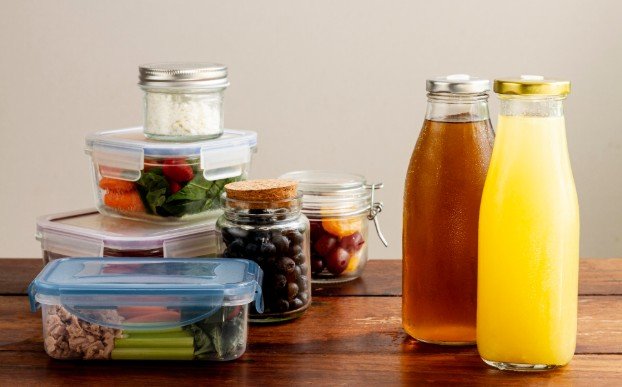
Always use microwave-safe glass, ceramic, or labeled plastic containers. Avoid metal, aluminum foil, and dishes with metallic trim. If a plastic container is old, cracked, stained, or not labeled microwave-safe, it is better to choose another option.
Add Moisture When Reheating Dry Foods
Leftovers often dry out because they lose moisture during storage. A splash of water, broth, milk, or sauce can bring food back to life. Rice, noodles, vegetables, chicken, and mashed potatoes usually reheat better with a little added moisture.
For bread, rolls, or tortillas, wrap them in a slightly damp paper towel and heat briefly. This keeps them soft instead of chewy. Short heating intervals work better than one long cycle because they reduce the risk of drying out the food.
Use the Microwave for Smart Prep Tasks
A microwave can make cooking faster even when it is not the main cooking method. You can soften butter, warm milk, bloom spices in oil, steam vegetables, loosen citrus juice, soften tortillas, melt chocolate, and partially cook potatoes before roasting.
These small prep tasks save time and reduce the need for extra pans. For quick dinners, the microwave can handle the first step while the stove or air fryer finishes the dish.
Avoid Common Microwave Mistakes
Several habits make microwaves less effective. Overfilling containers, skipping covers, using high power for delicate foods, ignoring wattage, and reheating food without stirring can all lead to poor results.
Another common mistake is cooking food straight from the freezer without separating pieces. If frozen items are stuck together, pause the microwave once they soften slightly, separate them, and continue heating. This helps prevent uneven cooking.
Keep the Microwave Clean for Better Performance
A dirty microwave can smell bad, create smoke, and make food less pleasant to reheat. Food splatter also becomes harder to remove when it is heated again and again.
For easy cleaning, place a microwave-safe bowl of water with lemon slices or vinegar inside and heat it until steam forms. Let it sit for a few minutes, then wipe the inside with a soft cloth. Cleaning spills quickly keeps the appliance fresh and makes everyday use easier.
Microwave Safety Tips to Remember
Safety matters as much as speed. Use containers that are clearly labeled microwave-safe. Do not heat sealed containers, eggs in their shells, or tightly closed jars. Be careful when removing hot bowls because steam can burn quickly.
When reheating meat, poultry, seafood, or casseroles, make sure the food is heated evenly. Stirring, rotating, and resting help reduce cold spots. If the microwave door, seal, latch, or hinge is damaged, avoid using it until it is checked or repaired.
Frequently Asked Questions
1. What is the best way to reheat leftovers?
Use a shallow microwave-safe dish, cover the food loosely, add a little moisture if needed, heat in short intervals, stir halfway, and let it rest before eating.
2. Does lower power save energy?
Lower power may take slightly longer, but it often prevents overcooking and food waste. It is better for delicate foods, defrosting, melting, and reheating thick meals.
3. Can I microwave food without covering it?
You can, but covering food helps reduce splatter, hold moisture, and improve heating. Use a vented microwave-safe cover or a loose paper towel.
4. How to Use a Microwave More Efficiently without drying food?
Use medium power, cover the dish, add moisture when needed, stir halfway through, and heat in shorter intervals instead of one long cycle.
Final Thoughts
I now see the microwave as more than a shortcut appliance. When I use the right power level, cover food properly, match timing to wattage, and clean it regularly, meals come out better with less waste. How to Use a Microwave More Efficiently is really about small habits that make daily cooking faster, safer, and more reliable.