






How to Keep Fruits and Vegetables Fresh Longer
Buy fresh produce with the best intentions, only to find wilted greens, soft berries, and rubbery carrots sitting in my fridge a few days later. It felt frustrating because fresh fruits and vegetables are not cheap, and wasting them meant wasting both food and money. Over time, I realized the problem was not always what I bought. It was how I stored it.
How to Keep Fruits and Vegetables Fresh Longer starts with understanding temperature, moisture, airflow, and which items should never sit together. Once you know a few simple storage rules, your produce can stay crisp, flavorful, and ready to use for more meals.
Why Fresh Produce Spoils So Quickly
Fruits and vegetables continue changing after they are picked. Some ripen, some lose moisture, and some break down faster when exposed to heat, trapped humidity, or poor airflow. That is why tossing everything into one fridge drawer is often the fastest way to ruin good groceries.
Moisture is one of the biggest problems. Too much water can lead to mold, sliminess, and faster decay. Too little moisture can dry out leafy greens, herbs, carrots, and celery. The goal is to give each type of produce the right environment instead of treating everything the same.
Another major factor is ethylene gas. Some fruits release this natural ripening gas, and nearby produce can spoil faster when exposed to it. Apples, bananas, avocados, tomatoes, pears, peaches, and melons can speed up ripening around delicate vegetables and greens.
Start With a Simple Storage System
A smart produce system does not need special equipment. You only need to divide groceries into four storage zones: fridge, crisper drawer, kitchen counter organization, and cool pantry.
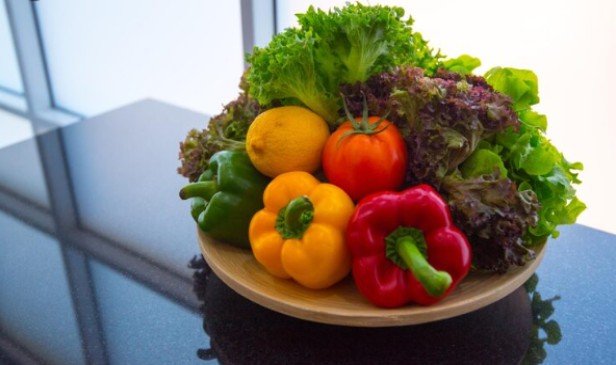
Use the fridge for berries, grapes, apples, leafy greens, carrots, celery, broccoli, cauliflower, cucumbers, and most cut produce. Use the counter for bananas, tomatoes, avocados, peaches, pears, and mangoes until ripe. Use the pantry or a cool dark cabinet for onions, garlic, potatoes, sweet potatoes, winter squash, and shallots.
This one habit prevents many common storage mistakes. When produce goes to the right place as soon as you unpack groceries, it lasts longer and is easier to use before it spoils.
Do Not Wash Most Produce Before Storage
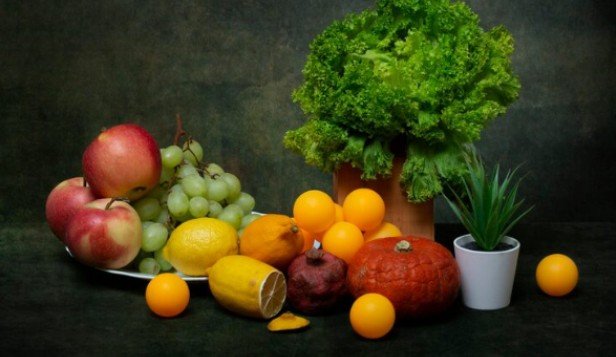
One of the most common mistakes is washing fruits and vegetables before putting them away. It feels clean and organized, but extra moisture can make produce spoil faster. Berries, mushrooms, leafy greens, and herbs are especially sensitive.
Wash most produce right before eating or cooking. If something is already wet from the store, dry it gently with a clean towel before storing it. For lettuce or spinach, remove damaged leaves first, then store the greens with a dry paper towel inside a container or bag. This helps absorb extra moisture without drying the leaves completely.
Berries should stay dry until serving. If you prefer rinsing them early, make sure they are completely dry before refrigerating. Even a small amount of trapped moisture can cause mold to spread quickly.
Use Crisper Drawers the Right Way
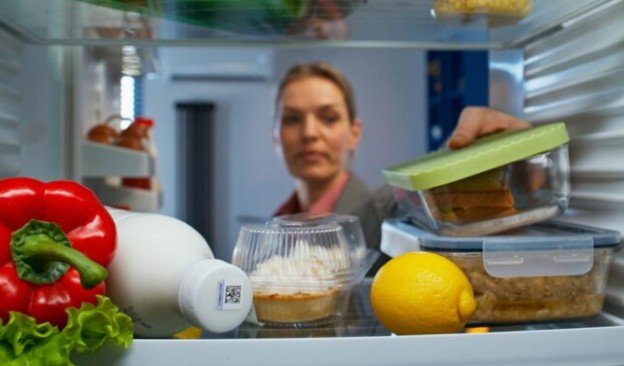
Crisper drawers are designed to control humidity, but many people use them like regular storage bins. A high-humidity crisper drawer works best for produce that wilts, such as lettuce, spinach, kale, herbs, broccoli, carrots, and celery. These foods need some moisture to stay crisp.
A low-humidity drawer is better for produce that rots or releases ethylene gas, such as apples, pears, peaches, plums, avocados, and melons. If your fridge has two drawers, keep fruits in one and vegetables in the other. This reduces ethylene exposure and keeps greens fresher.
Avoid packing drawers too tightly. Produce needs airflow. When everything is squeezed together, moisture gets trapped, bruising increases, and spoilage spreads faster.
Keep Ethylene-Producing Fruits Separate
If you want better results from How to Keep Fruits and Vegetables Fresh Longer, remember this rule: some fruits should be stored away from sensitive vegetables.
Apples, bananas, tomatoes, avocados, pears, and stone fruits can make nearby produce ripen too quickly. Keep them away from leafy greens, cucumbers, broccoli, cauliflower, carrots, and herbs. Bananas are especially strong ripeners, so they should not sit beside other fruits unless you want them to ripen faster.
Best Ways to Store Common Fruits
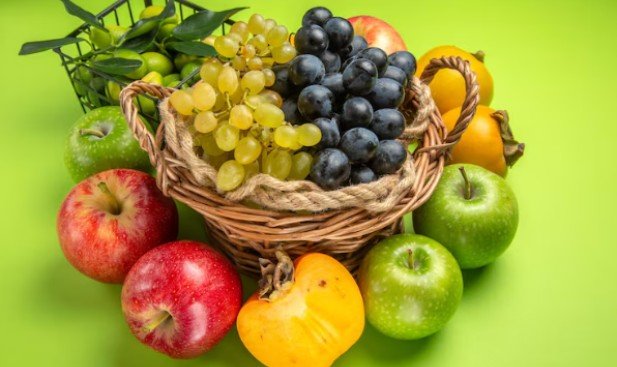
Apples last longer in the fridge, ideally in a low-humidity drawer or separate bag. Bananas should stay on the counter, away from other produce. Avocados can ripen on the counter and move to the fridge once soft. Berries should be refrigerated dry in a breathable container.
Grapes stay fresh longer in the fridge and should not be washed until eating. Citrus fruits can sit on the counter for a few days, but refrigeration helps extend freshness. Melons can ripen at room temperature if whole, but once cut, they must be refrigerated in an airtight container.
Peaches, nectarines, pears, and plums should ripen on the counter first. Once ripe, move them to the fridge to slow further softening.
Best Ways to Store Common Vegetables
Leafy greens need cool storage with light moisture control. Keep them in a bag or container with a dry towel to absorb excess water. Carrots and celery stay crisp longer when refrigerated, especially when protected from dry air.
Broccoli and cauliflower belong in the fridge, preferably in a high-humidity drawer. Cucumbers can be refrigerated, but they do best away from high-ethylene fruits. Mushrooms should be stored in a paper bag rather than sealed plastic because they need airflow.
Onions, garlic, and potatoes should stay in a cool, dark, ventilated place. Do not store onions and potatoes together because they can make each other spoil faster. Sweet potatoes and winter squash also prefer pantry-style storage instead of cold refrigeration.
How to Store Cut Fruits and Vegetables
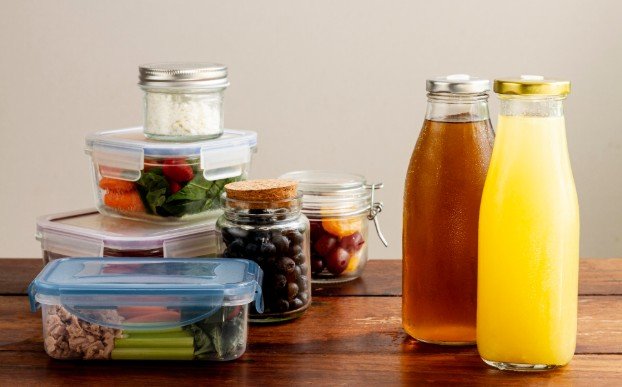
Cut produce spoils faster because more surface area is exposed to air and bacteria. Always refrigerate cut fruits and vegetables in airtight containers. Use clean containers, avoid excess moisture, and eat them within a few days for the best taste and texture.
Cut melon, sliced apples, chopped carrots, celery sticks, and prepared salad ingredients should never sit at room temperature for long. If you meal prep produce, keep watery items separate from leafy greens to avoid sogginess.
Frequently Asked Questions
1. What is the easiest way to remember How to Keep Fruits and Vegetables Fresh Longer?
Store dry produce dry, keep greens slightly protected from moisture loss, separate ethylene-producing fruits, and use the fridge, counter, pantry, and crisper drawers correctly.
2. Should fruits and vegetables be stored together?
Not always. Fruits that release ethylene gas should be kept away from delicate vegetables, especially leafy greens, cucumbers, broccoli, and herbs.
3. Should I wash produce before storing it?
Most produce should be washed right before eating. Washing too early can add moisture and lead to faster spoilage.
4. Where should onions, garlic, and potatoes be stored?
Store them in a cool, dark, well-ventilated place. Keep potatoes away from onions to help both last longer.
Final Thoughts
I have found that keeping produce fresh is less about complicated tricks and more about building better habits after grocery shopping. Once fruits and vegetables go into the right place, they stay useful longer, meals become easier, and fewer groceries end up in the trash.
How to Keep Fruits and Vegetables Fresh Longer comes down to four simple ideas: control moisture, separate ripening fruits, use crisper drawers properly, and store each item where it naturally lasts best. These small changes can make your kitchen feel more organized and help you get more value from every grocery trip.