




Best Food Storage Tips to Reduce Waste Fast
Food waste happened because I bought too much. Then I realized the bigger problem was how I stored what I already had. Berries spoiled before the weekend, herbs wilted in two days, leftovers disappeared behind jars, and freezer bags turned into mystery meals. That is why these Best Food Storage Tips to Reduce Waste focus on simple habits that make groceries easier to see, use, and keep fresh.
Good food storage is not about buying fancy containers. It is about knowing where each food belongs, how long it can safely last, and how to build a kitchen system that helps you use food before it spoils.
Start With a Weekly Fridge and Pantry Check
Before shopping, open your fridge, freezer, and pantry. Look for vegetables that need to be cooked, fruits getting soft, open jars, leftover grains, and half-used dairy items. This five-minute check prevents duplicate buying and helps you plan meals around what is already available.
I like to write down three “use first” items before making a grocery list. For example, if I have spinach, cooked rice, and eggs, I can plan fried rice, omelets, or a quick soup instead of buying more food that may sit unused.
Create an Eat-Me-First Zone
One of the easiest ways to cut waste is to set up an eat-me-first bin or shelf. This space should hold leftovers, older produce, opened sauces, cut fruit, and anything close to losing freshness.
Use a clear container or a front-facing fridge shelf so these foods stay visible. When you are hungry, check this zone before opening anything new. This habit works because most waste comes from forgotten food, not bad intentions.
Store Fruits and Vegetables the Smart Way
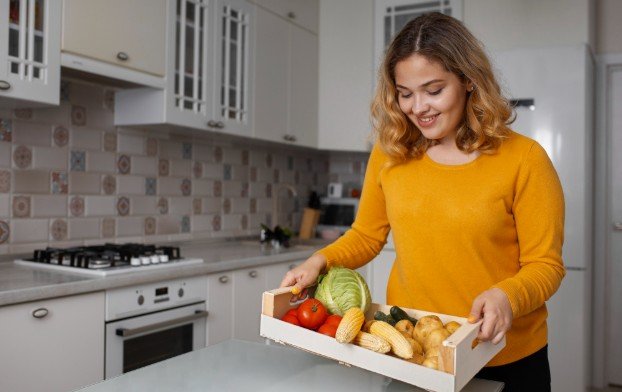
Produce often spoils quickly because it is stored in the wrong place. Leafy greens need moisture control, berries need airflow, herbs need protection, and some fruits release gases that speed up ripening.
Keep apples, bananas, avocados, peaches, and pears away from sensitive vegetables because they can make nearby produce ripen faster. Store leafy greens with a paper towel in a container or bag to absorb excess moisture. Keep berries dry and wash them only before eating. Mushrooms do better in a paper bag than in sealed plastic because trapped moisture makes them slimy.
Potatoes, onions, and garlic should stay in a cool, dark, well-ventilated place. Do not store potatoes and onions together because they can make each other spoil faster.
Organize Your Fridge by Temperature Zones
A fridge is not the same temperature everywhere. The door is warmer because it opens often, so it is better for condiments, juice, and sauces. Avoid placing milk and eggs there if you want them to last longer.
Use the upper shelves for ready-to-eat foods, drinks, and leftovers. Use the middle shelves for dairy and prepared meals. Keep raw meat, poultry, and seafood on the lowest shelf in a tray to prevent leaks. Use crisper drawers for fruits and vegetables, but adjust humidity settings if your fridge allows it.
A safe fridge should stay at 40°F or below, and the freezer should stay at 0°F. These temperatures help slow bacterial growth and keep food safer for longer.
Use Clear Containers, Labels, and Dates
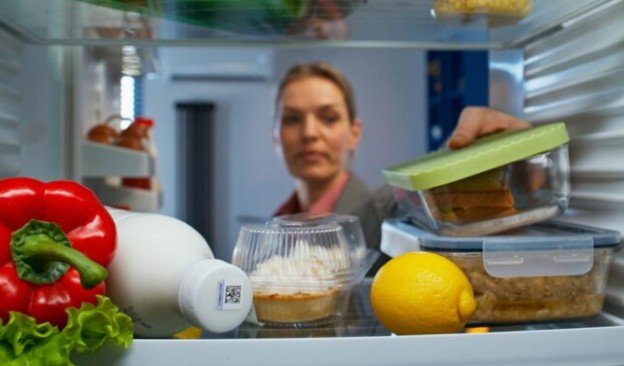
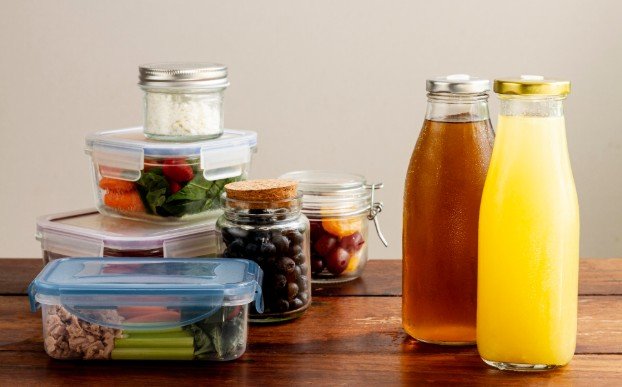
Clear containers are powerful because they remove the guessing game. When you can see cooked pasta, chopped vegetables, soup, or fruit, you are more likely to eat it.
Use airtight containers for leftovers, cut produce, opened dry goods, and snacks. Label cooked foods with the date, especially if they are going into the freezer. A simple piece of masking tape works well. Write the food name and date, such as “chili, June 5” or “cooked rice, June 5.”
Leftovers should usually be eaten within three to four days when stored in the refrigerator. If you know you will not eat them soon, freeze them early instead of waiting until they are already losing quality.
Freeze Food Before It Spoils
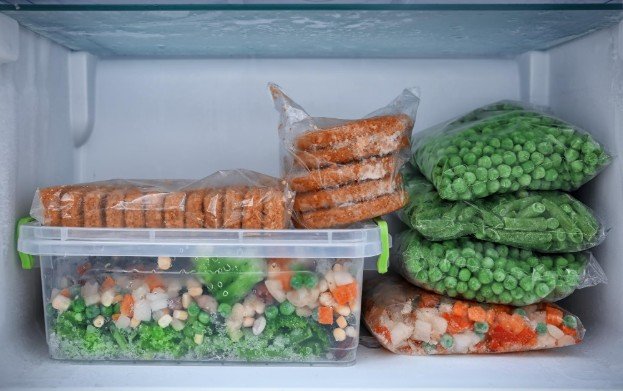
Slice bread before freezing so you can remove only what you need. Freeze sauces and soups in meal-size portions. Chop herbs and freeze them with a little water or oil in an ice cube tray. Freeze ripe fruit for smoothies or baking. The key is to freeze food while it still tastes good. Freezing old food does not make it fresh again; it only pauses the decline.
Understand Food Date Labels
Many people throw away food too early because date labels are confusing. “Best by” usually refers to quality, not automatic spoilage. “Sell by” is often for store inventory. “Use by” is more important for freshness and safety, especially with highly perishable foods.
Instead of relying only on the printed date, check smell, texture, appearance, and storage history. If food looks spoiled, smells off, or has mold where it should not, throw it out. When in doubt with risky foods like meat, seafood, cooked rice, or dairy, choose safety.
Fix Common Storage Mistakes
Small mistakes can waste a lot of food over time. Washing berries too early adds moisture and encourages mold. Overfilling the fridge blocks airflow and creates warm spots. Leaving leftovers in deep containers keeps them from cooling quickly. Forgetting freezer labels turns good food into mystery food.
Another mistake is opening new food before finishing older food. Follow the first-in, first-out rule: place older items in front and newer items behind them. This works for pantry goods, frozen meals, canned foods, snacks, and refrigerated items.
Build a Simple Pantry System
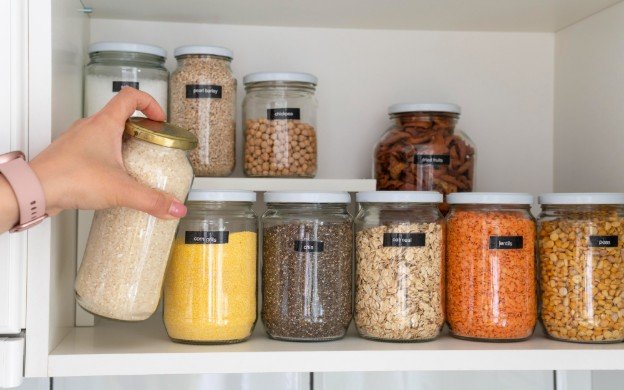
Pantry waste often happens when dry goods are hidden behind other items. Group similar foods together: grains, pasta, baking items, canned goods, snacks, oils, and spices. Keep open foods in airtight containers or sealed bags to protect them from air, moisture, and pests.
Move older cans and packets to the front. Keep a small list of pantry basics on your phone so you do not buy the same items again and again.
Quick Checklist for Less Food Waste
- Check the fridge before shopping.
- Use an eat-me-first zone.
- Keep the fridge at 40°F or below.
- Keep the freezer at 0°F.
- Store berries dry and wash before eating.
- Separate fast-ripening fruits from sensitive produce.
- Label leftovers with dates.
- Freeze food before it declines.
- Use older pantry items first.
- Plan meals around food you already have.
Frequently Asked Questions
1. What are the Best Food Storage Tips to Reduce Waste for beginners?
Start with clear containers, date labels, an eat-me-first fridge zone, proper fridge temperature, and weekly checks before grocery shopping.
2. How do I keep vegetables fresh longer?
Store leafy greens with a paper towel, keep mushrooms in a paper bag, use crisper drawers correctly, and separate sensitive vegetables from ripening fruits.
3. Can freezing food really reduce waste?
Yes. Freezing bread, soups, sauces, fruit, cooked grains, and leftovers helps you save food before it spoils.
4. How long are leftovers safe in the fridge?
Most refrigerated leftovers are best used within three to four days. Freeze them sooner if you will not eat them in time.
Final Thoughts
I have found that wasting less food becomes much easier when the kitchen is organized around visibility. When I can see older produce, labeled leftovers, and open pantry items, I use them faster and shop smarter.
The biggest lesson is simple: food storage works best when it becomes a routine. These Best Food Storage Tips to Reduce Waste help stretch groceries, save money, and make everyday cooking feel less stressful. With a few clear zones, safer temperatures, better labels, and smarter freezing habits, your kitchen can waste less without feeling complicated.