



Best Ways to Keep Your Pantry Neat and Fresh
I used to think a neat pantry meant buying matching jars and calling it done. Then I realized the real goal is simpler: food should be easy to find, stay fresh longer, and not disappear behind old boxes. The Best Ways to Keep Your Pantry Neat and Fresh start with smart habits, not expensive organizers.
When every shelf has a purpose, cooking feels easier, grocery shopping becomes faster, and less food gets wasted.
Why Pantry Organization Matters
A messy pantry quietly costs money. Duplicate pasta boxes, stale cereal, expired spices, and forgotten snacks can pile up fast. A clean system helps you see what you own before buying more. It also makes everyday cooking smoother because flour, rice, oils, snacks, canned foods, and baking items all have a clear place.
For busy American households, the best pantry setup should work for school lunches, quick dinners, weekend baking, and bulk grocery runs. It should also be simple enough to maintain after a long day.
Empty, Clean, and Check Everything First
Before adding bins or containers, empty every shelf. This step may feel annoying, but it shows exactly what you have, including duplicate spices, expired pantry items, and essential baking tools that may be taking up the wrong space.
Wipe shelves with warm water and mild soap, dry them fully, and check corners for crumbs because crumbs attract pests.
Next, check expiration dates. Toss food that smells odd, has damaged packaging, or is clearly past its best quality. Put near-expiry items together so you can use them first. This makes the rest of the pantry easier to organize because you are only storing food you actually plan to eat.
Create Simple Pantry Zones
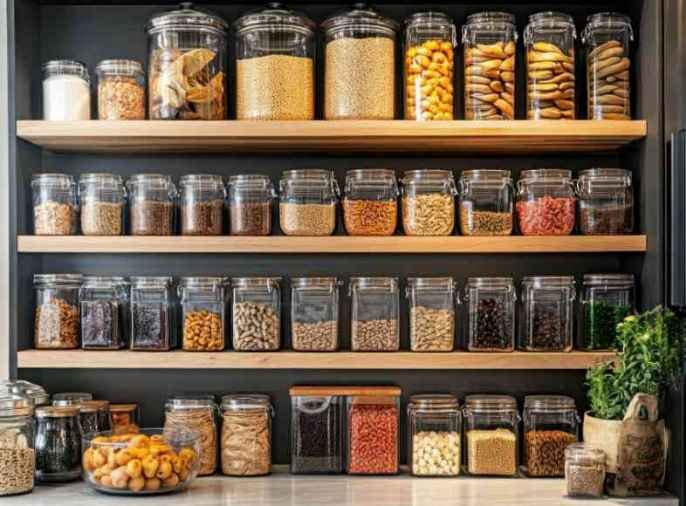
Zones make a pantry easier to use. Keep breakfast items together, snacks in one area, canned goods on one shelf, and dinner staples like pasta, rice, beans, and sauces in a separate section.
For families, a low snack zone works well because kids can reach approved items without digging through every shelf. Keep oils, vinegar, and sauces away from heat when possible. Store heavier items like bulk rice, canned goods that last longer, and extra flour on lower shelves to prevent spills and accidents.
Smart Pantry Zones to Use
Create zones for breakfast, snacks, grains, baking, canned goods, spices, oils, and backstock. If your pantry is small, use cabinet doors, shelf risers, and stackable bins to create more space without overcrowding.
Use Airtight Containers the Right Way
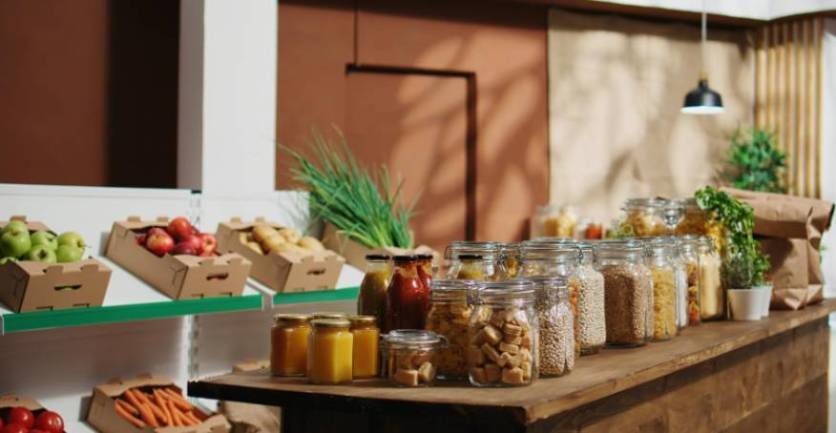
Airtight containers are not only for looks. They help keep cereal crisp, flour dry, sugar soft, pasta protected, and snacks fresher for longer. Clear containers are especially useful because you can see when something is running low.
Do not pour food into containers without labeling it. Add the item name, purchase date, and expiration date. This matters for flour, nuts, seeds, rice, oats, pancake mix, crackers, and cereal. If you prefer keeping original cooking instructions, cut the directions from the package and tape them to the back of the container.
Label Everything Clearly
Labels keep your pantry from turning messy again. Use simple labels with names like brown rice, all-purpose flour, oats, pasta, crackers, snacks, baking chips, and canned beans. You do not need fancy labels; even masking tape and a marker work.
Date labels are just as important. They help you follow the first-in, first-out method, which means older food gets used before newer food. Place newer items behind older ones so nothing sits untouched for months.
Keep Food Fresh for Longer
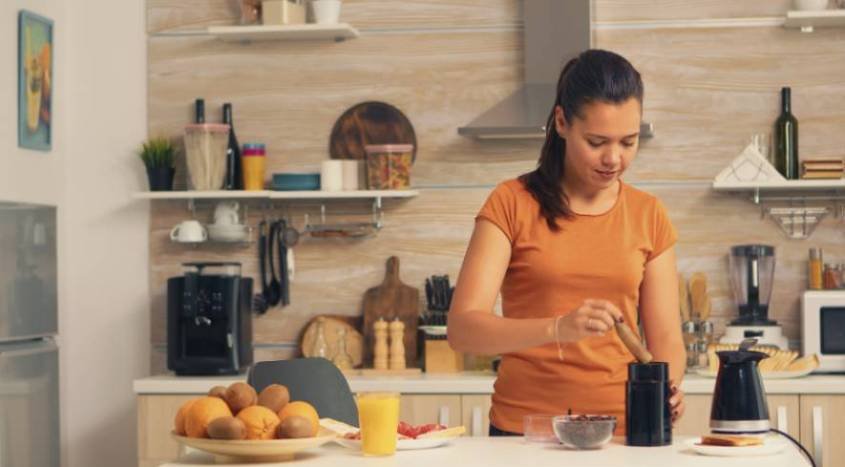
Freshness depends on storage, temperature, light, and moisture. Dry goods should stay in sealed containers or tightly closed original packaging. Spices should be kept away from heat and sunlight because warmth can weaken flavor.
Nuts and whole-grain flours can spoil faster because of their natural oils, so buy smaller amounts or refrigerate them if your kitchen gets warm.
Keeping spices, grains, and pantry staples fresh also makes it easier to prepare traditional recipes with a healthy twist using ingredients that still have good flavor, texture, and quality.
Avoid storing cleaning products, strongly scented items, or pet supplies near food. Odors can transfer, and chemicals should never share space with pantry staples. Also keep onions and potatoes apart because they can make each other spoil faster.
Use Shelf Risers, Bins, and Door Space
Shelf risers help you see canned goods, jars, and sauces instead of stacking everything in a messy pile. Lazy Susans work well for oils, vinegars, spreads, and small bottles. Clear bins are perfect for snack packets, baking decorations, tea bags, and instant oatmeal.
Door racks can hold spices, wraps, small jars, or lightweight snacks. Deep shelves need pull-out bins so items at the back do not get forgotten. For small apartments, a cabinet pantry can still work well when every inch has a job.
Stop Pantry Clutter Before It Starts
The best pantry systems are easy to reset. Before grocery shopping, take two minutes to check what you already have. Add items to your list only when they are truly low. Once a week, straighten bins, close packages, and move older food to the front.
Simple pantry routines also support wholesome cooking habits because fresh, visible ingredients make everyday meals easier to plan and prepare.
Once a month, do a deeper check. Wipe shelves, review dates, remove crumbs, and clean sticky jars. This small habit protects freshness and keeps pests away.
Budget-Friendly Pantry Tips
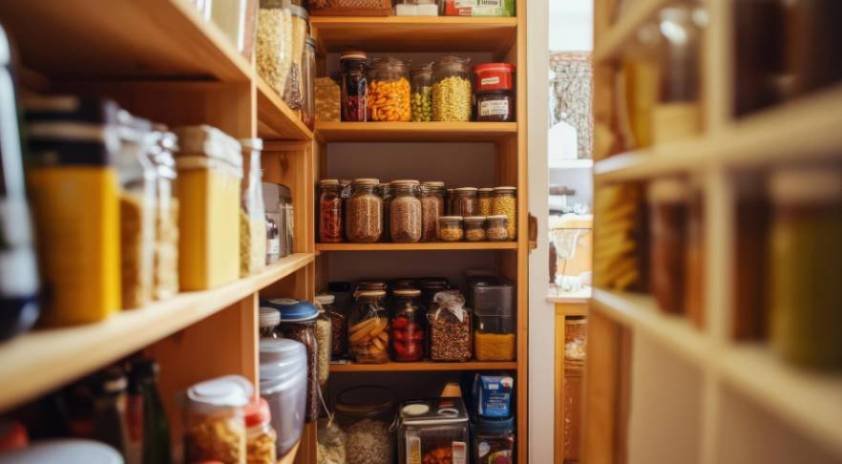
You do not need a luxury pantry makeover. Reuse glass jars, buy a few plastic containers at a time, and choose bins based on your actual shelves. Measure before shopping so you do not waste money on organizers that do not fit.
Focus first on the foods that go stale fastest: cereal, crackers, chips, flour, sugar, rice, and snacks. Then organize cans, sauces, and backstock. A neat pantry should save money, not create another shopping problem.
Best Ways to Keep Your Pantry Neat and Fresh for Busy Homes
The Best Ways to Keep Your Pantry Neat and Fresh are the habits you can repeat easily. Clean first, group similar items, use airtight containers, label dates, rotate older food forward, and keep snacks, grains, spices, and baking supplies in clear zones.
When your pantry works with your daily routine, it stays organized longer. You spend less time searching, waste less food, and make cooking feel more manageable.
Frequently Asked Questions
1. What are the Best Ways to Keep Your Pantry Neat and Fresh?
The Best Ways to Keep Your Pantry Neat and Fresh include cleaning shelves, removing expired food, using clear airtight containers, labeling dates, grouping items into zones, and rotating older food to the front.
2. How often should I clean my pantry?
Do a quick reset every week and a deeper clean once a month. Wipe crumbs, check dates, tighten lids, and move older items forward.
3. What foods should not stay in the pantry?
Some nuts, whole-grain flours, natural nut butters, and maple syrup may last better in the refrigerator after opening. Always check the package instructions.
4. Are clear containers better than original packaging?
Clear containers are helpful for dry goods because they improve visibility and freshness. Keep cooking instructions or expiration dates when transferring food.
Final Thoughts
I like pantry systems that feel realistic, not perfect. A pantry should help me cook faster, shop smarter, and waste less food. Once the shelves are clean, the zones are clear, and the labels are easy to read, the whole kitchen feels calmer.
The real win is not having a picture-perfect pantry. It is opening the door and knowing exactly where everything belongs.