

Turkish Fire-Cooked Meals That Bring Backyard Smoke Home
Turkish Fire-Cooked Meals bring together smoke, heat, tradition, and deeply comforting flavor in a way that feels perfect for American backyard cooking. I love this style because it turns simple ingredients like lamb, chicken, peppers, tomatoes, eggplant, bread dough, rice, and herbs into food that tastes layered and memorable.
This cooking tradition has roots in Central Asian nomadic food culture, Ottoman palace kitchens, village hearths, charcoal spits, clay pots, and stone ovens. In Turkey, fire is not only a cooking method. It is part of the country’s food identity, from sizzling street kebabs to slow village stews cooked near embers.
The best part for US home cooks is that you do not need a Turkish village oven to enjoy these flavors. A charcoal grill, backyard pizza oven, wood-fired oven, Dutch oven, cast iron skillet, baking steel, or pizza stone can help you recreate smoky Turkish recipes at home.
What Makes Turkish Fire Cooking Taste So Different?
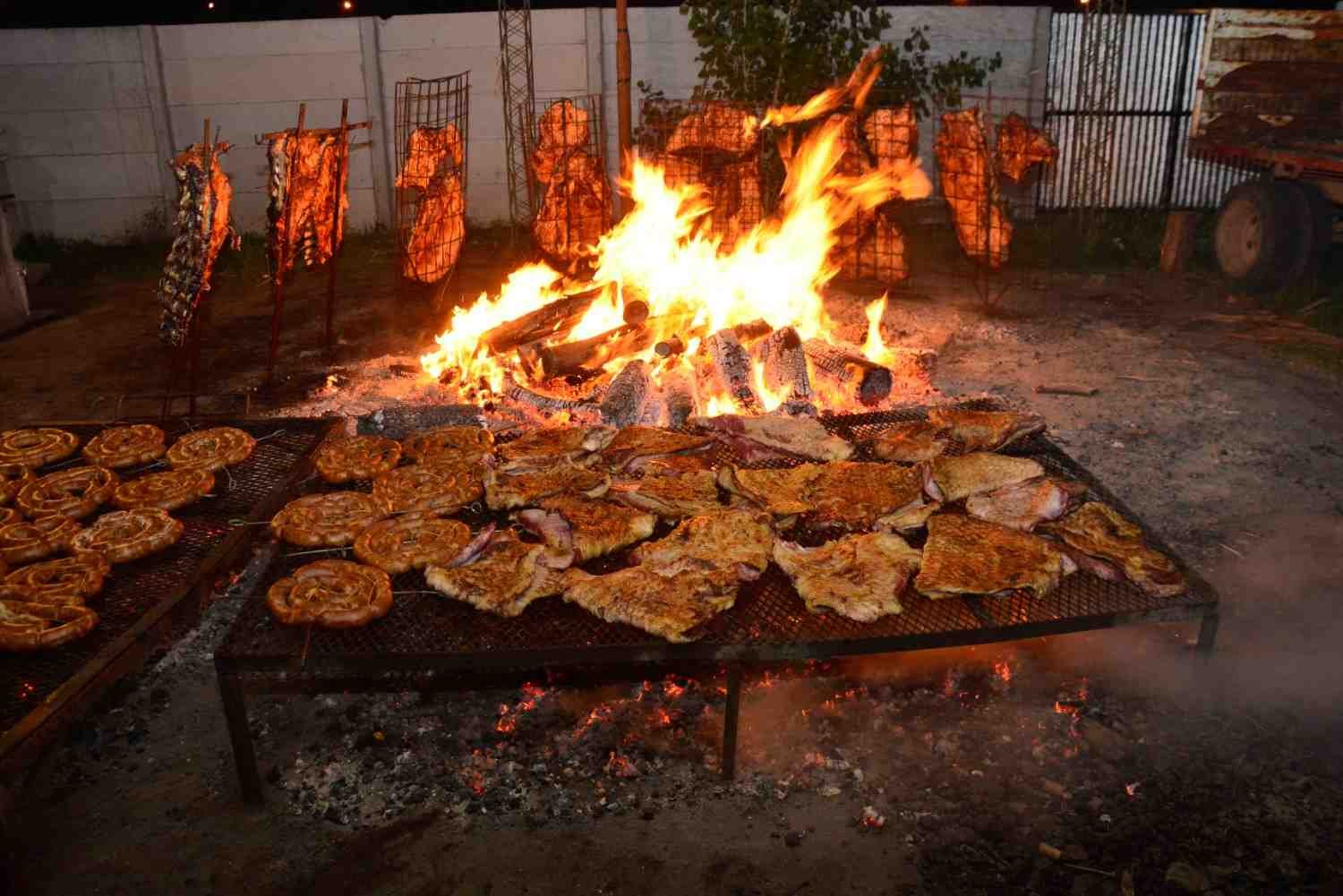
Turkish fire cooking depends on controlled heat. Some dishes need fast, direct heat from glowing charcoal. Others need the steady warmth of a stone oven, the trapped moisture of a clay pot, or the gentle residual heat left after a wood fire burns down.
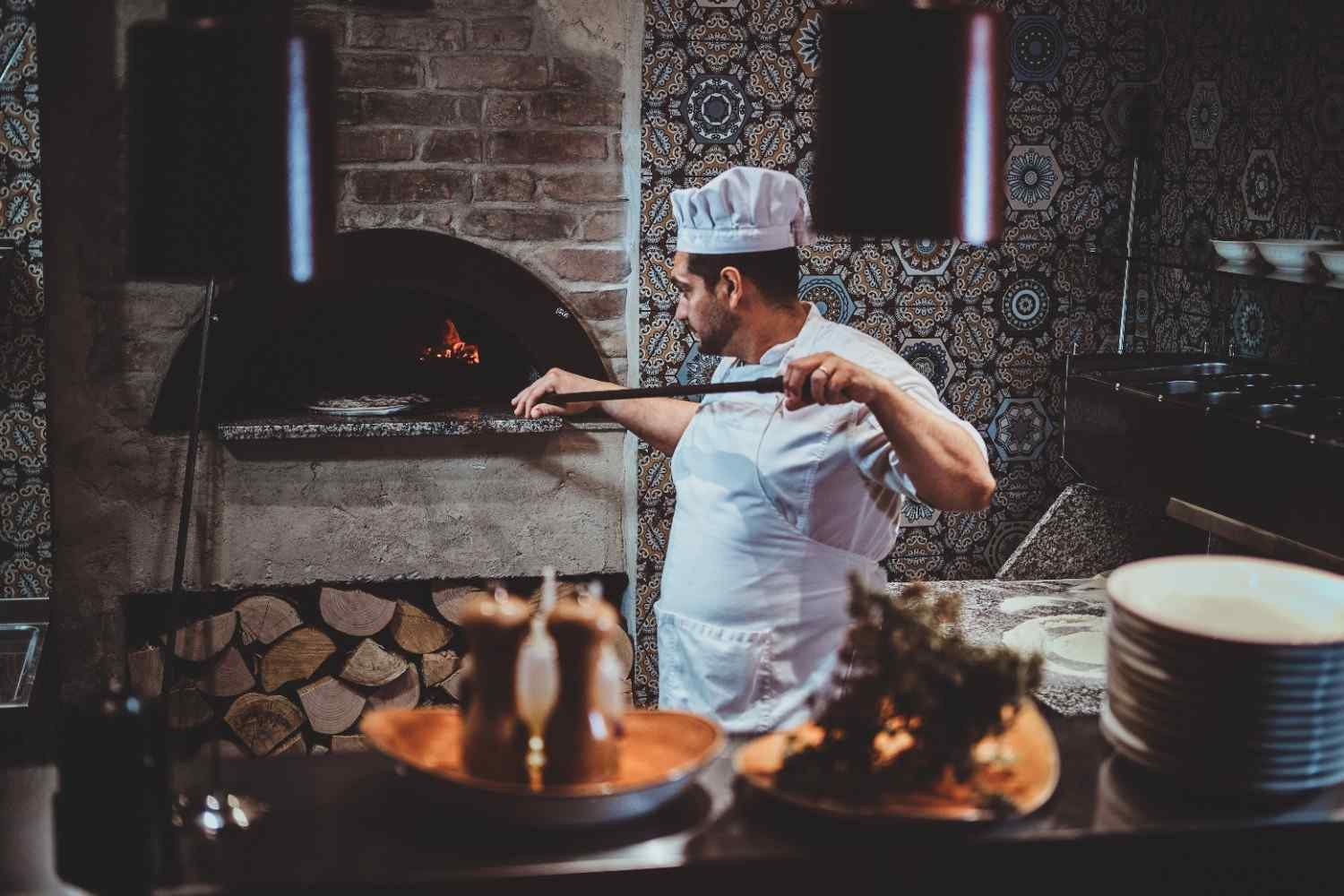
That is why the flavor feels different from food cooked on a regular indoor stove. Charcoal gives kebabs browned edges and a smoky aroma. Wood-fired ovens blister lahmacun and pide quickly, leaving the crust crisp and the inside tender.
Clay pot cooking holds steam and juices, allowing meat and vegetables to soften slowly. Pit-roasted lamb cooks in its own fat and moisture until it becomes rich, tender, and deeply savory.
For US readers, the secret is not copying every traditional method perfectly. The real goal is to understand the heat and adapt it with tools you already have.
Best Turkish Open-Flame Kebabs to Try First
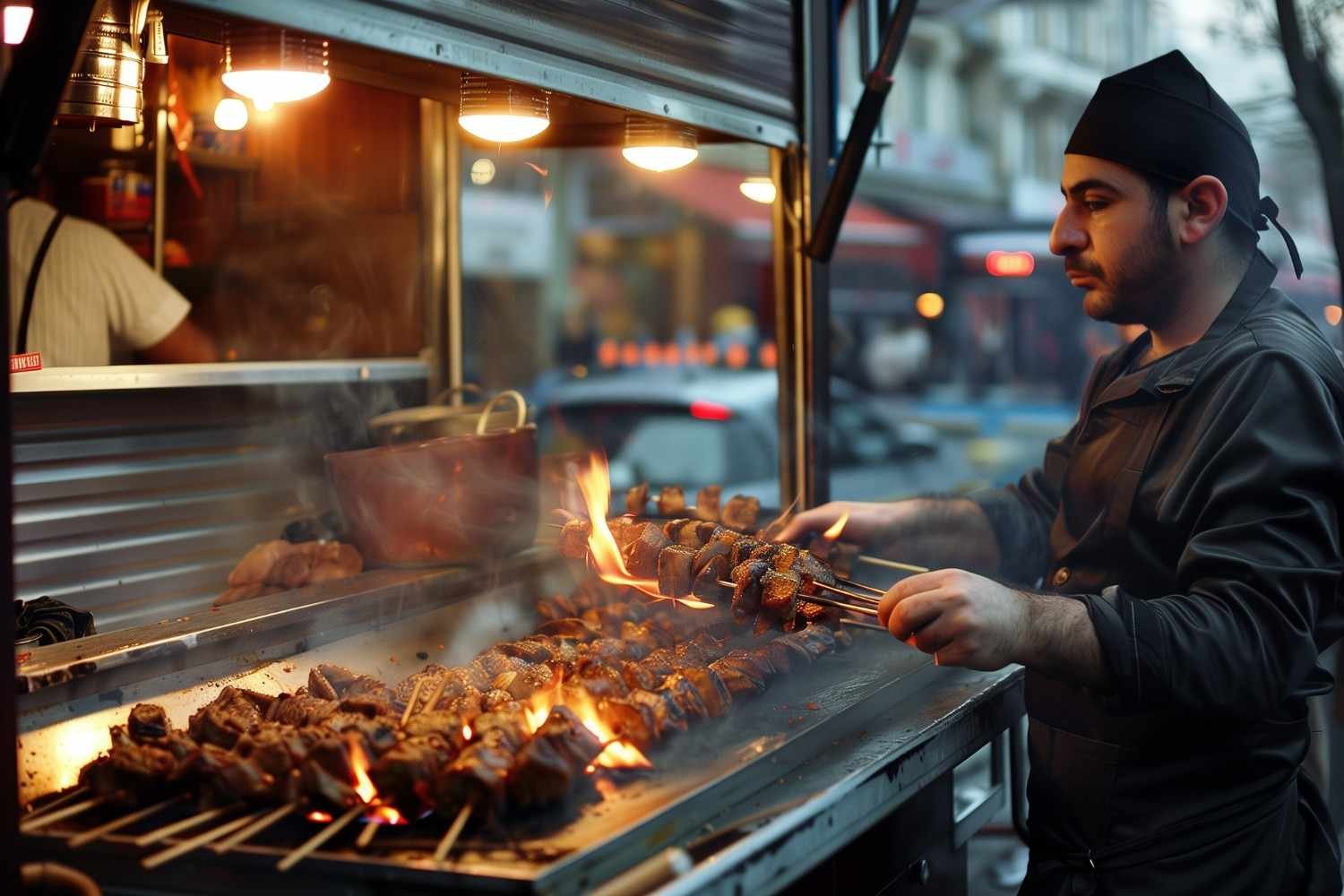
Kebabs are usually the first thing people think of when they imagine Turkish outdoor cooking recipes. They are smoky, generous, and ideal for a backyard grill.
Döner kebab is made with marinated slices of meat stacked vertically and roasted slowly beside an open flame. At home, a full vertical rotisserie may not be realistic, but you can borrow the flavors by marinating thin slices of beef, lamb, or chicken with yogurt, onion juice, garlic, paprika, cumin, and black pepper, then grilling them quickly over charcoal.
Cağ kebab is another unforgettable dish. It comes from Erzurum and uses seasoned lamb stacked on a horizontal spit over a slow wood fire. For a backyard version, grill thin lamb slices over steady coals and serve them with lavash, grilled tomatoes, charred peppers, and sumac onions.
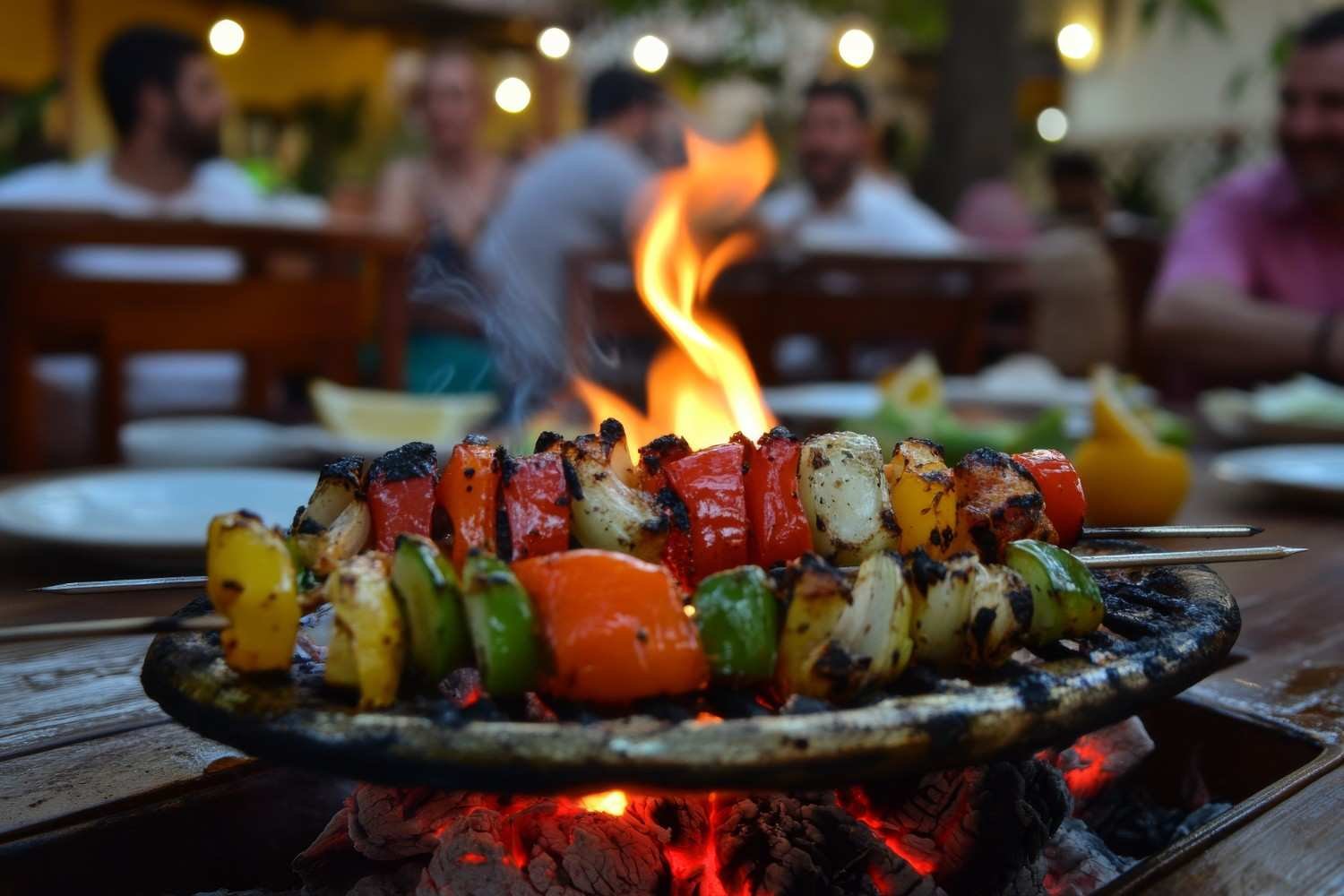
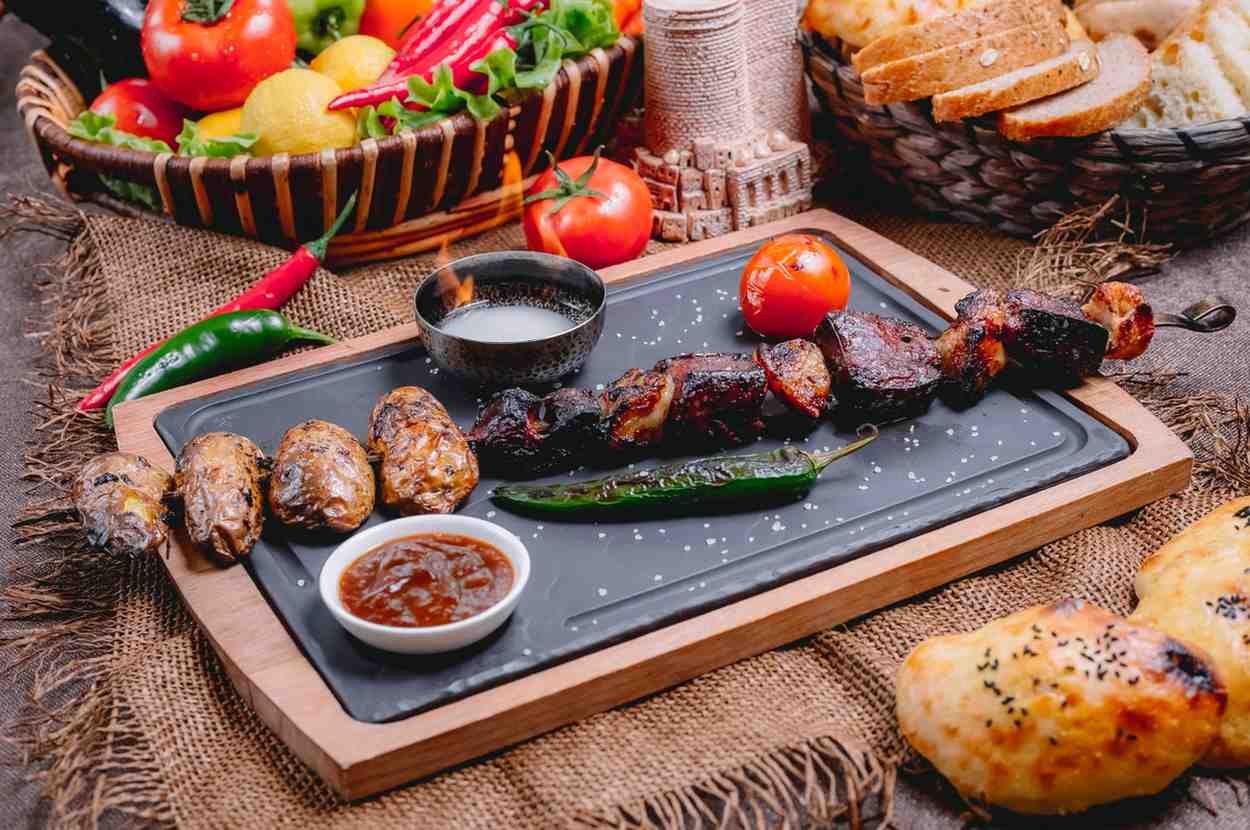
Şiş kebab is the easiest place to start. Cubes of lamb, beef, or chicken are skewered and grilled over hot embers. I prefer chicken thighs or lamb shoulder because they stay juicy. A marinade with olive oil, yogurt, lemon juice, garlic, tomato paste, and mild pepper flakes gives the meat color and depth.
Adana kebab also deserves a place on the grill. This spicy ground lamb kebab is pressed onto flat skewers and cooked over charcoal. The key is using enough fat so the meat stays moist instead of turning dry.
Clay-Pot and Pit-Roasted Turkish Meals
Turkish Fire-Cooked Meals are not only about kebabs. Some of the most traditional dishes come from clay pots, covered pans, village hearths, and sealed pits.
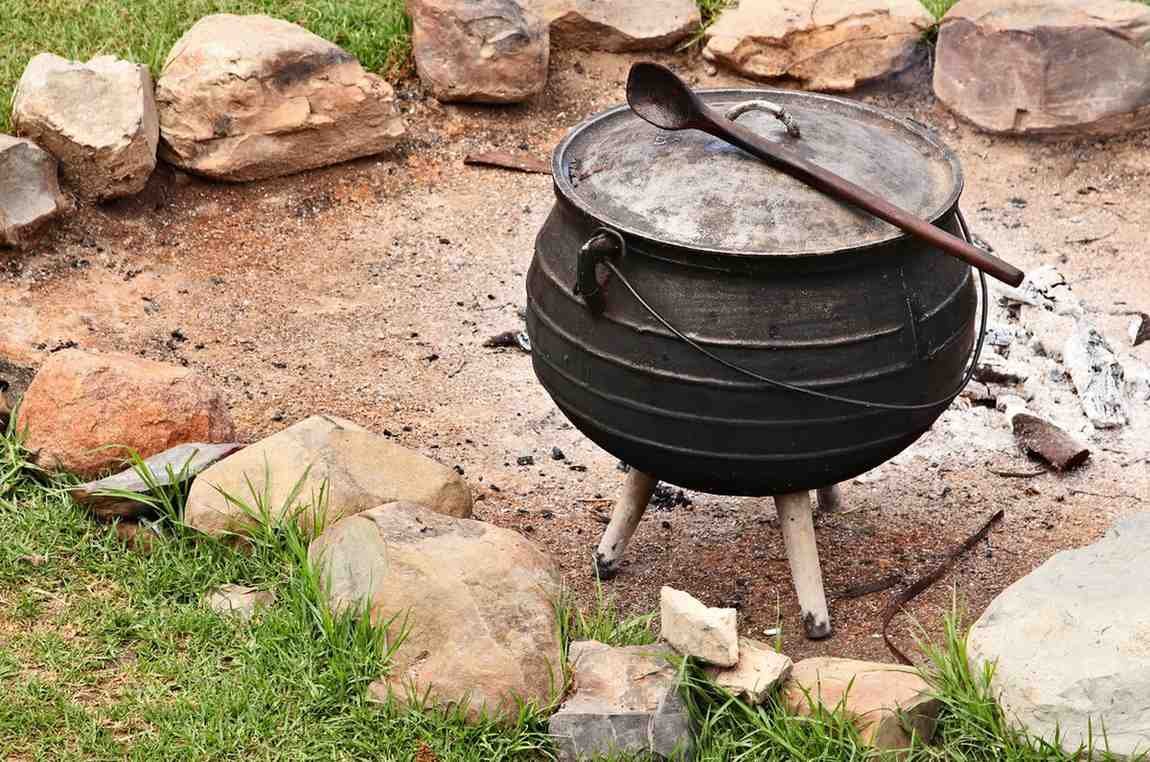
Testi kebab is one of the most dramatic examples. Meat, tomatoes, peppers, onions, garlic, and spices are sealed inside a clay pot, often with dough around the opening. The pot cooks near hot coals and is cracked open at the table. For a US kitchen or backyard setup, you can use an oven-safe clay pot, ceramic casserole, or Dutch oven to create a similar slow-cooked effect.
Kuyu kebabı, or pit-roasted lamb, is traditionally made by suspending lamb inside a deep brick or stone pit over hot wood embers. The pit is sealed so the meat roasts slowly in its own juices. At home, you can adapt the idea with a covered roasting pan, Dutch oven, or outdoor smoker. Lamb shoulder works especially well because it becomes tender with low, slow heat.
Güveç is another village-style favorite. This hearty stew usually combines lamb or beef with tomatoes, peppers, onions, eggplant, potatoes, and seasonal vegetables. Cook it slowly in a Dutch oven or clay pot until the meat softens and the vegetables melt into the sauce.
Wood-fired dolma adds another layer to Turkish village cooking. Bell peppers, grape leaves, or vegetables are stuffed with seasoned rice, herbs, and sometimes minced meat, then cooked slowly in large pots near open heat. It is a great reminder that Turkish fire cooking is not limited to grilled meat.
Wood-Fired Breads and Pies Worth Making
Turkish bread belongs at the center of the meal. It catches juices, wraps kebabs, and turns smoky pan sauce into the best bite on the table.
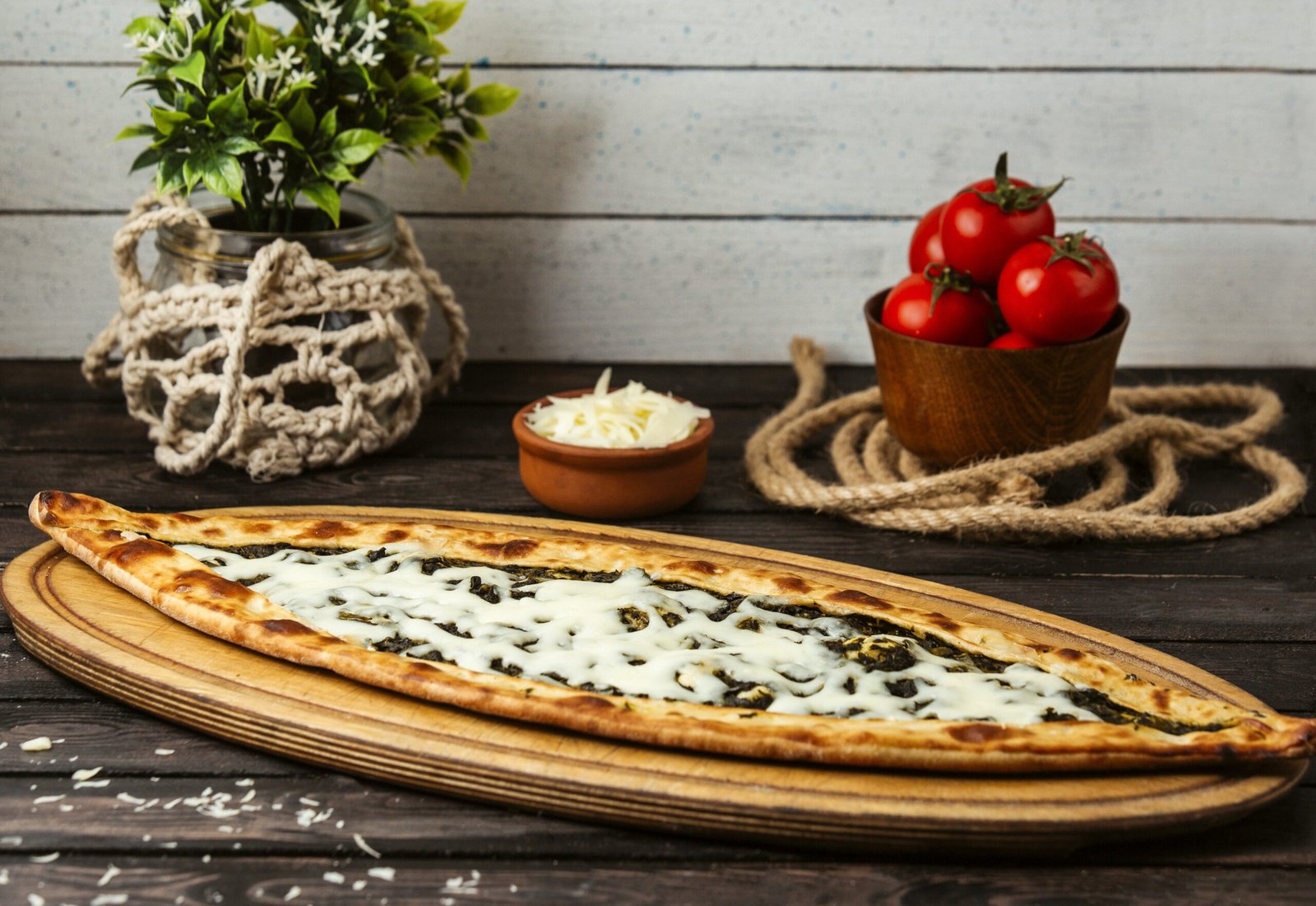
Pide is a boat-shaped flatbread often filled with minced meat, sucuk sausage, spinach, cheese, or egg. A backyard pizza oven works beautifully because the high heat crisps the edges while keeping the center soft.
Lahmacun is thinner and faster. It uses wafer-thin dough topped with minced meat, tomatoes, peppers, onion, parsley, and spices. The topping should be thin, not heavy. If you overload it, the crust turns soggy instead of crisp.
Bazlama and lavash are also excellent for US home cooks. Bazlama can cook on a cast iron skillet or griddle, while lavash works well on a hot surface and makes the perfect wrap for kebabs.
Fire-Roasted Vegetables and Smoky Turkish Sides
Fire-roasted eggplant, known as közlenmiş patlıcan, is one of the best vegetable dishes in Turkish cooking. Place whole eggplants directly over charcoal, a gas flame, or a wood fire until the skin blackens and the inside becomes silky. Peel the charred skin and mix the smoky flesh with olive oil, lemon juice, garlic, yogurt, or tahini.
Grilled peppers and tomatoes are just as important. They add sweetness, acidity, and color beside rich lamb and chicken. I also like serving fire-cooked meals with sumac onions, parsley salad, pickled vegetables, yogurt sauce, ezme, bulgur pilaf, rice pilaf, lemon wedges, and warm flatbread.
How US Home Cooks Can Recreate Turkish Fire Cooking
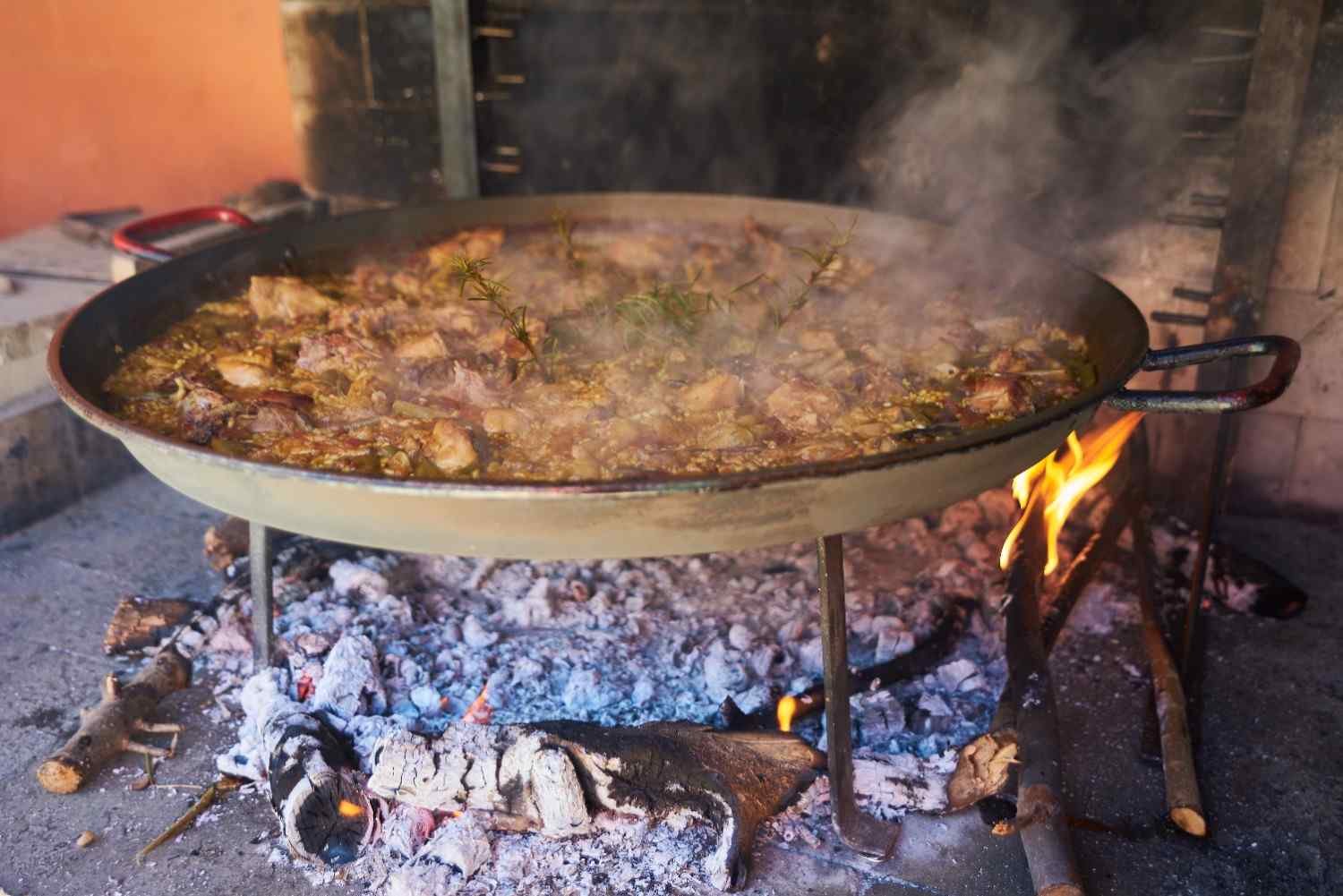
The easiest setup is a charcoal grill. Use it for şiş kebab, Adana kebab, chicken skewers, grilled peppers, tomatoes, and eggplant. Wait until the flames calm and the coals glow evenly before cooking.
A backyard pizza oven is best for pide, lahmacun, Turkish flatbread, and wood-fired Turkish bread. A pizza stone or baking steel in a very hot oven can also work. A Dutch oven is ideal for güveç, testi kebab-inspired stews, and kuyu kebabı-style lamb.
If you use wood, choose dry hardwood such as oak, maple, hickory, apple, cherry, or pecan. Avoid wet wood because it creates harsh smoke and uneven heat. Turkish Fire-Cooked Meals taste best when the smoke is clean, the heat is steady, and the food has enough time to cook properly.
Common Mistakes to Avoid With Turkish Outdoor Cooking
The biggest mistake is cooking over tall flames instead of steady coals. Flames burn meat and bread too quickly. Kebabs need strong heat, but they need control.
Another mistake is making lahmacun dough too thick or adding too much topping. Lahmacun should bake fast and stay thin. Pide can handle more filling, but it still needs a hot surface underneath.
Do not use very lean meat for kebabs. Lamb fat, chicken thighs, olive oil, or yogurt-based marinades help keep meat juicy. Also, let grilled meat rest for a few minutes before serving so the juices stay inside.
FAQ About Turkish Fire Cooking
1. What are the best Turkish fire-cooked recipes for beginners?
Tavuk şiş, şiş kebab, grilled peppers, fire-roasted eggplant, bazlama, pide, and lahmacun are the easiest recipes for beginners.
2. Can I make Turkish fire cooking recipes without a wood-fired oven?
Yes. A charcoal grill, cast iron skillet, Dutch oven, pizza stone, baking steel, or backyard pizza oven can all work.
3. What meat is best for Turkish kebabs?
Lamb is traditional, but chicken thighs, beef, and beef-lamb blends also work well for US home cooks.
4. What Turkish bread is best for backyard cooking?
Pide, lavash, bazlama, and lahmacun dough work best because they cook quickly on hot stone, cast iron, or grill surfaces.
Final Thoughts
Fire is what gives Turkish cooking its rustic soul. It chars peppers, softens eggplant, crisps bread, browns kebabs, and turns lamb into something tender and memorable. For US home cooks, this style is easier to try than it looks. Start with a charcoal grill, a hot stone, or a Dutch oven, then build your way toward kebabs, pide, lahmacun, güveç, and clay-pot meals.
Once you understand the heat, the rest becomes simple. Good meat, fresh vegetables, warm bread, smoky sides, and patient cooking can bring the spirit of Turkish outdoor food straight into your backyard.