



Turkish Hearth Cooking Traditions: Fire, Smoke, Bread, and Village Flavor
Turkish Hearth Cooking Traditions are not just about cooking over flames. They are about patience, smoke, family, bread, lamb, seasonal vegetables, and the kind of soulful flavor that comes from respecting fire.
In Turkey, the hearth has long been more than a cooking place. It has been the warm center of the home, the heart of village meals, and the setting for food that brings people together.
For US home cooks, this tradition feels especially exciting because many of the same ideas can work in a backyard pizza oven, charcoal grill, smoker, cast iron skillet, Dutch oven, or wood-fired oven. You may not have an underground clay tandır in your yard, but you can still recreate the spirit of Turkish hearth cooking with smart heat control and simple fresh ingredients.
What Are Turkish Hearth Cooking Traditions?
Turkish hearth cooking is the traditional use of live fire, embers, charcoal, hot stones, clay ovens, iron griddles, and slow residual heat to cook food deeply and naturally. It includes everything from village bread baked on hot surfaces to lamb roasted for hours in a tandır, vegetables buried in embers, and kebabs grilled over charcoal.
The Turkish word “ocak” can refer to the hearth, stove, or fireplace, and the idea of the hearth carries deep cultural meaning. In many homes and villages, the hearth was not just where food was prepared. It was where families gathered, stories were shared, tea stayed warm, and meals stretched into long conversations.
This is why Turkish fire cooking feels different from regular grilling. It is not only about speed or char. It is about using different heat zones. Strong flames grill meat. Glowing coals roast vegetables. Stored oven heat bakes bread. Cooler outer heat slowly simmers stews. When these methods work together, simple ingredients become layered and memorable.
Why Ocakbaşı Culture Still Feels So Special
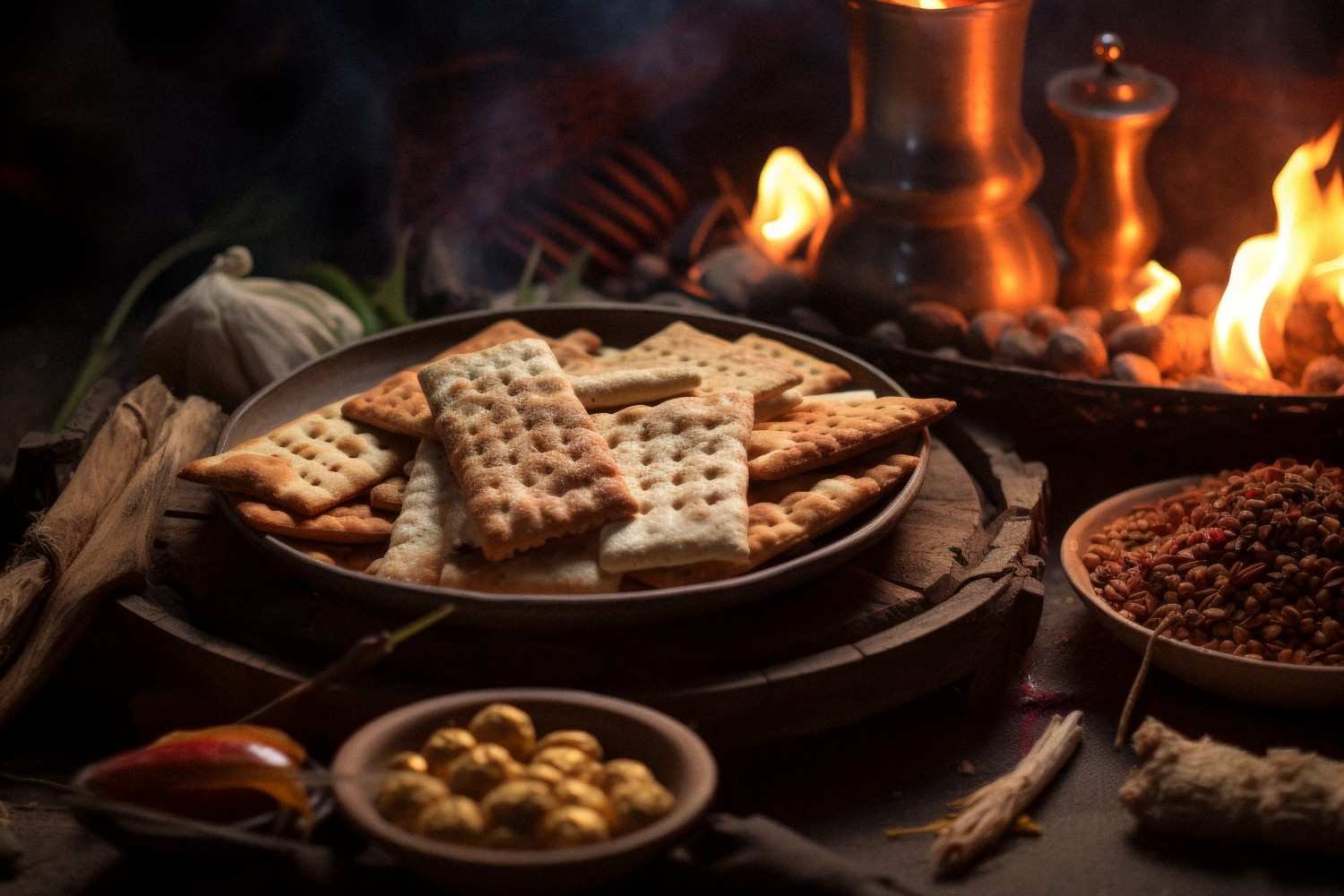
One of the most important parts of Turkish open fire cooking is the ocakbaşı experience. Ocakbaşı means hearthside, and in modern Turkish dining, it often refers to sitting around a long charcoal grill while the chef cooks meat, kebabs, peppers, tomatoes, and onions right in front of you.
For American readers, the closest comparison may be a mix of barbecue counter, chef’s table, and family cookout. The difference is the intimacy of the fire. You watch the food cook. You smell the smoke. You eat while each item is still hot from the coals.
This connects to a cultural idea sometimes described as sıcak sohbet, or warm conversation. The hearth becomes both a literal and social center. People gather around heat, food, tea, and storytelling. That is one reason Turkish countryside cooking feels so personal. It is not only a technique. It is a way of sharing time.
Traditional Turkish Hearth Tools Every Food Lover Should Know
A major reason Turkish hearth cooking has so much variety is the range of tools used around the fire. Each vessel creates a different texture, flavor, and pace of cooking.
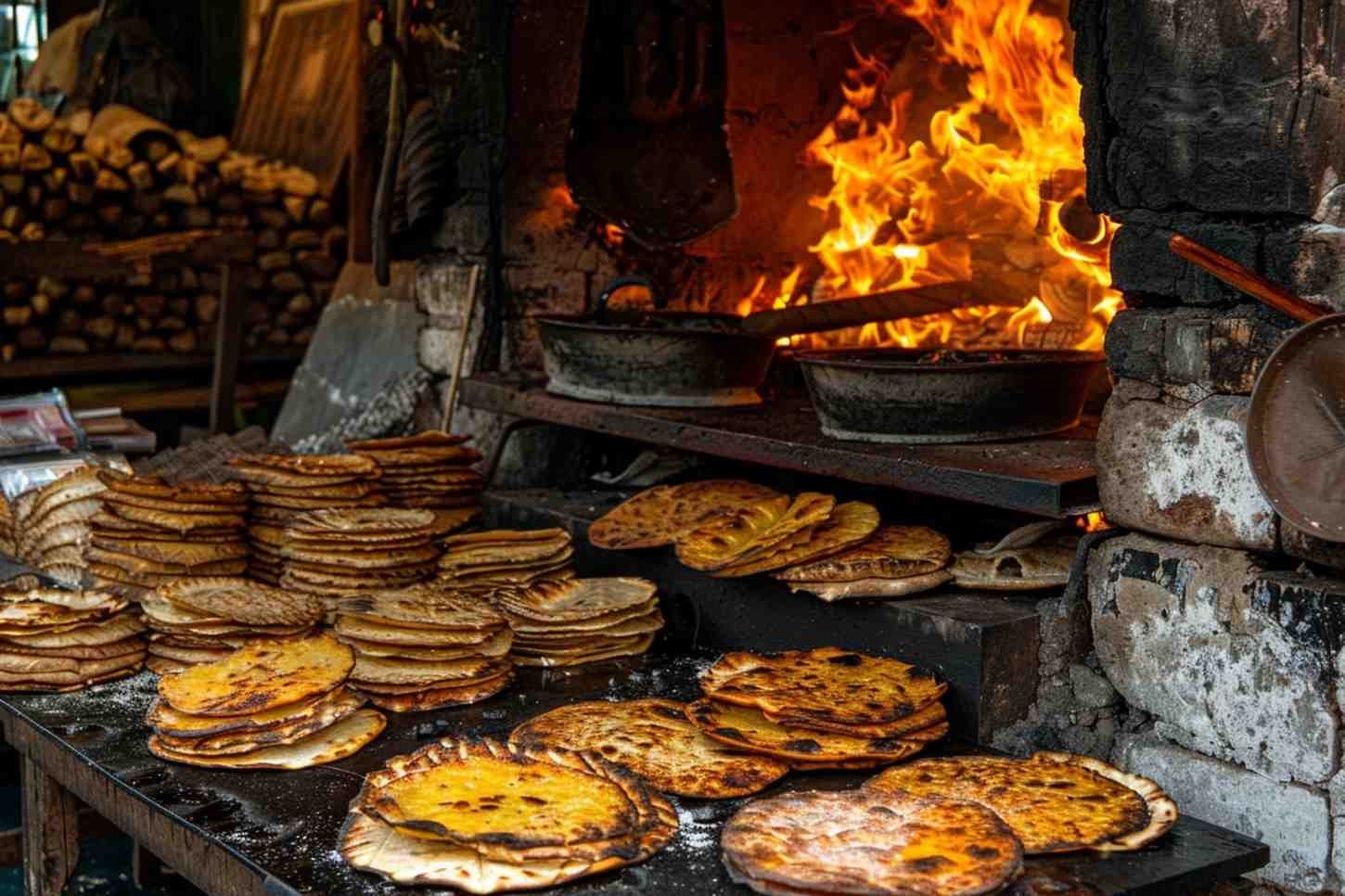
The sac is a thin, curved iron griddle used for baking flatbreads such as gözleme and for quickly cooking meat dishes like saç kavurma. It heats fast, spreads heat widely, and gives food a rustic outdoor flavor. In a US kitchen, a large cast iron skillet, carbon steel pan, or outdoor griddle can create a similar effect.
The tandır is one of the most famous traditional Turkish cooking tools. It is usually an underground or clay oven that traps intense heat. Cooks use it to slow-roast lamb and bake bread by pressing dough against the hot inner walls. Turkish lamb tandır, or kuzu tandır, becomes tender because the meat cooks gently for a long time.
A güğüm is a heavy copper kettle often kept near the hearth to provide hot water or tea. It may not be the first tool American cooks think about, but it shows how the hearth supported daily life beyond the main meal.
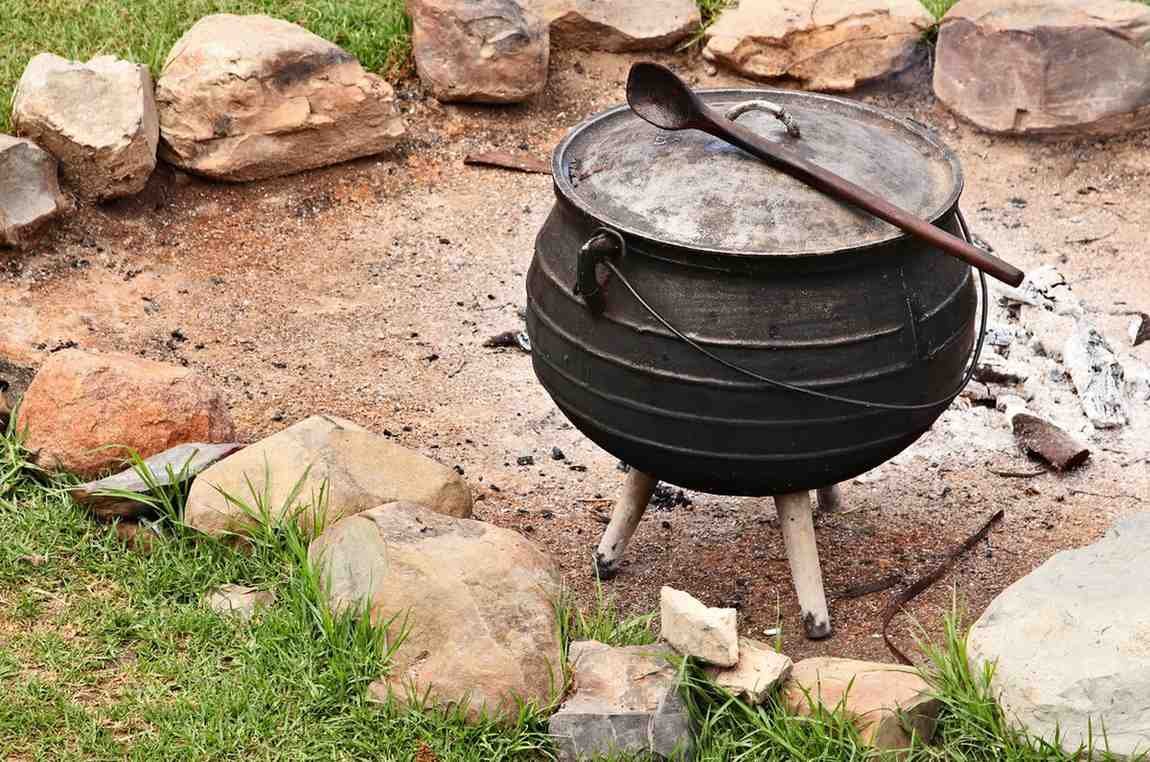
A güveç is an earthenware clay pot used for slow-cooked stews, vegetables, beans, and meats. The clay holds heat gently and helps ingredients cook together without drying out. A Dutch oven is the easiest substitute for most US home cooks.
Signature Turkish Hearth Cooking Techniques
Turkish Hearth Cooking Traditions rely on technique more than complicated ingredients. One of the most flavorful methods is közleme, or ash-roasting. Whole eggplants, peppers, onions, or tomatoes go directly into hot embers until their skins blacken and their flesh turns smoky and soft. This method creates the deep flavor behind many Turkish salads, dips, and side dishes.
Another important method is ağır ateş, which means slow fire or slow simmering. Instead of placing a pot over aggressive heat, cooks keep stews on the cooler outer rings of the hearth. This softens tougher cuts of meat and allows beans, vegetables, and spices to develop flavor over time.
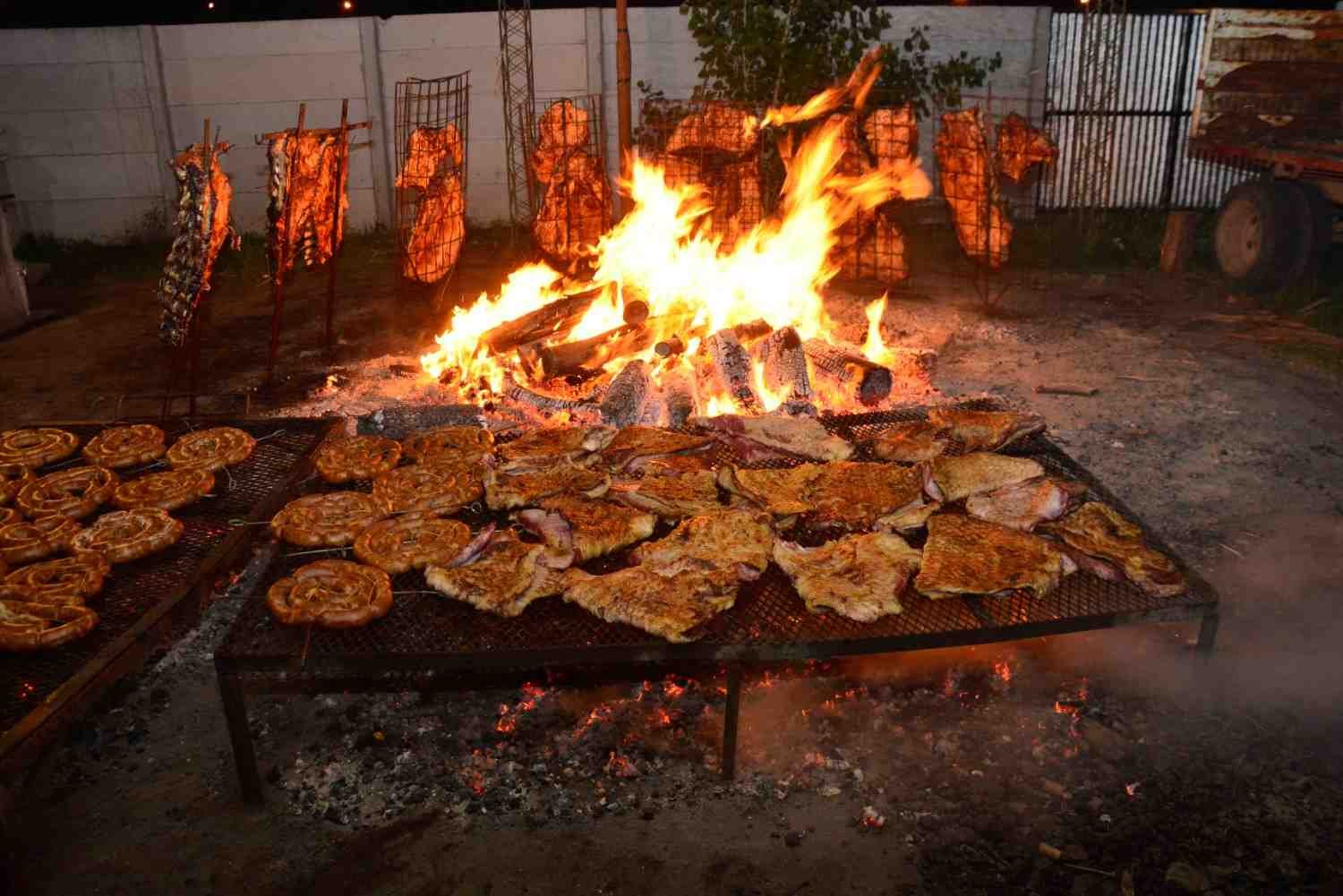
Çevirme, or spit-roasting, is another classic technique. Large cuts of meat rotate slowly over open flames or hot coals. This method connects strongly to Central Asian nomadic cooking traditions, where meat, fire, and mobility shaped practical outdoor meals.
These methods all teach the same lesson. Fire should be managed, not rushed.
How Turkish Tandır Cooking Builds Deep Flavor
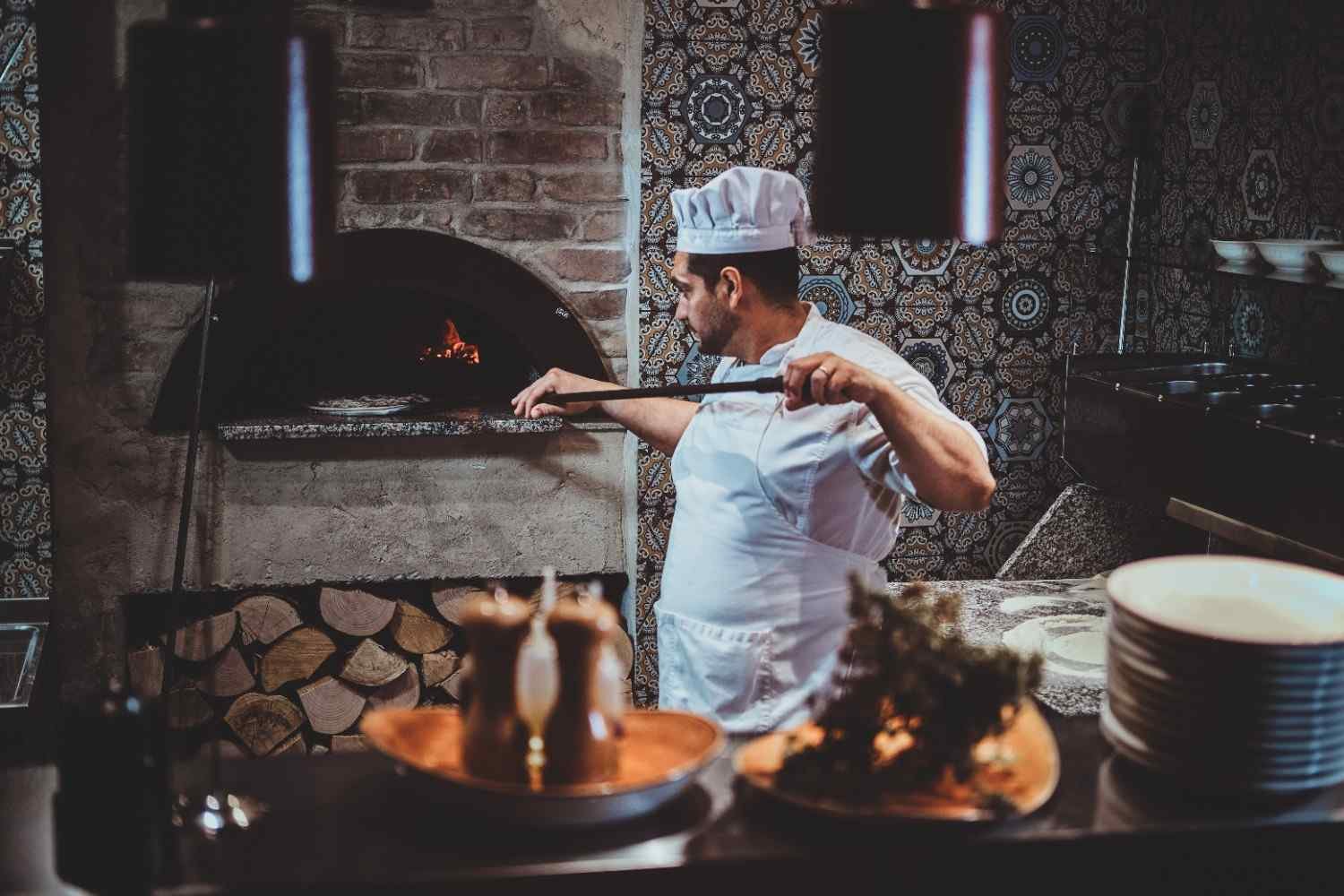
Tandır cooking may be the best example of slow heat doing the work. In traditional settings, the oven is heated first, then the stored heat cooks the food. Lamb becomes tender, bread cooks quickly against hot walls, and the flavor stays rich because moisture and heat work together.
Kuzu tandır is one of the best dishes for anyone new to Turkish wood fired cooking. The meat does not need a complicated marinade. Salt, pepper, garlic, onion, olive oil, and time can produce a deeply satisfying result.
In the US, you can recreate this style with a Dutch oven, covered roasting pan, smoker, or wood-fired oven after the flames die down. The key is to avoid harsh direct heat. Lamb needs patience. When cooked slowly, it becomes soft enough to pull apart and rich enough to serve with rice pilaf, yogurt, roasted vegetables, and warm bread.
Why Turkish Stone Oven Bread Is So Important
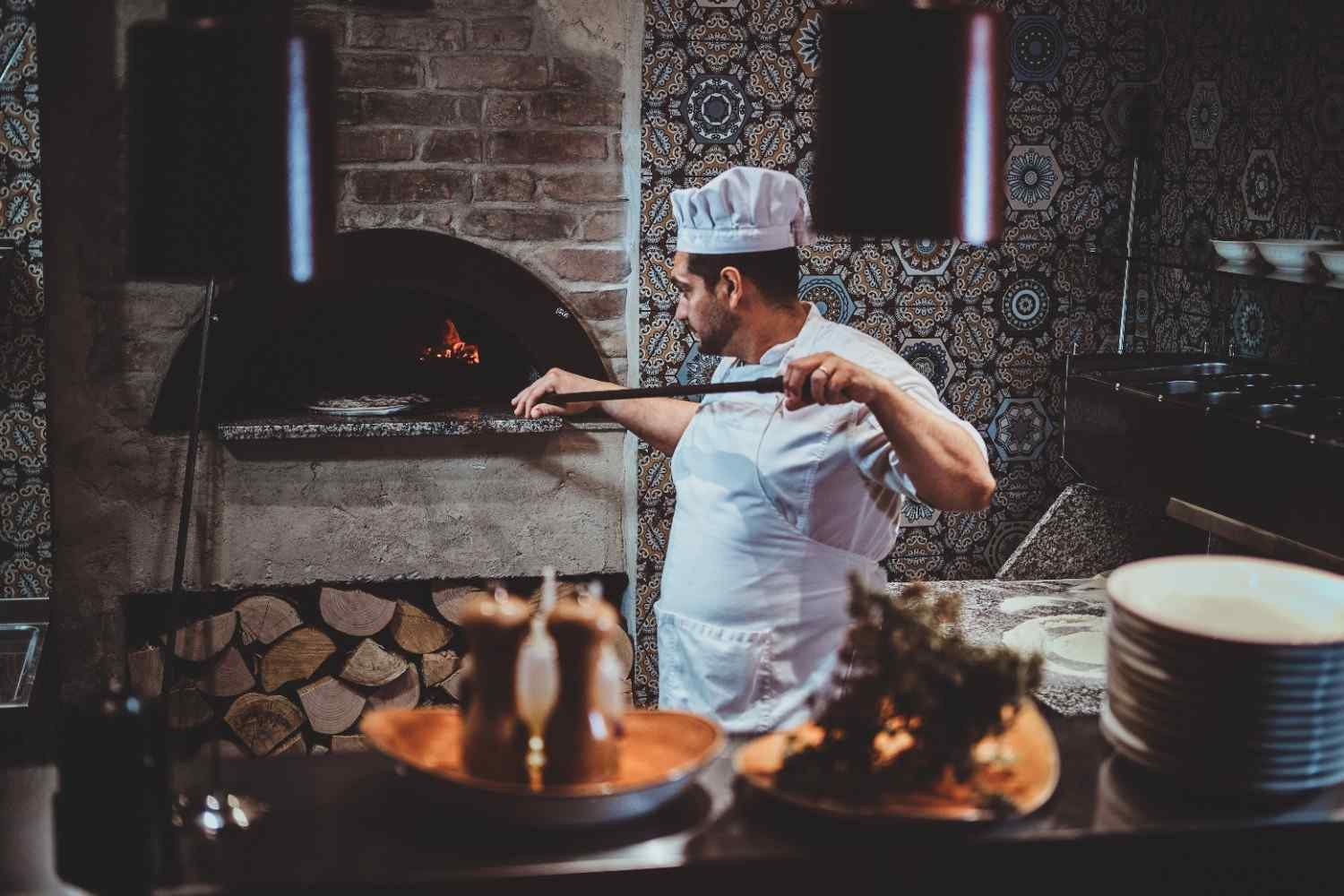
Bread sits at the center of many Turkish meals. It catches meat juices, wraps kebabs, scoops smoky eggplant, and turns a simple table into a feast. Turkish stone oven bread gets its texture from a hot baking surface and stored oven heat.
A taş fırın, or stone oven, creates bread with a crisp outside and soft, airy center. Pide, tırnak pide, Ramazan pidesi, lavash-style flatbreads, and village loaves all benefit from strong bottom heat.
For US home cooks, a backyard pizza oven is an excellent option. A baking stone, baking steel, or cast iron surface can also work in a regular oven. The secret is preheating long enough. If the surface is not hot, the bread dries out before it rises. If the flame is too strong, the outside burns before the inside cooks.
Sac Cooking, Gözleme, and Saç Kavurma
Sac cooking brings speed and drama to Turkish hearth food. The curved metal surface heats quickly, making it perfect for thin flatbreads and small cuts of meat. Gözleme is one of the best-known sac foods. Thin dough is filled with spinach, cheese, potatoes, or minced meat, then cooked until golden and crisp.
Saç kavurma is another favorite. Small pieces of lamb or beef cook with peppers, tomatoes, onions, and spices until the meat browns and the vegetables soften into the juices. This dish works especially well for American cooks because it does not require rare equipment. A hot cast iron pan or outdoor griddle can deliver excellent results.
Mangal Grilling and the Turkish Love of Charcoal
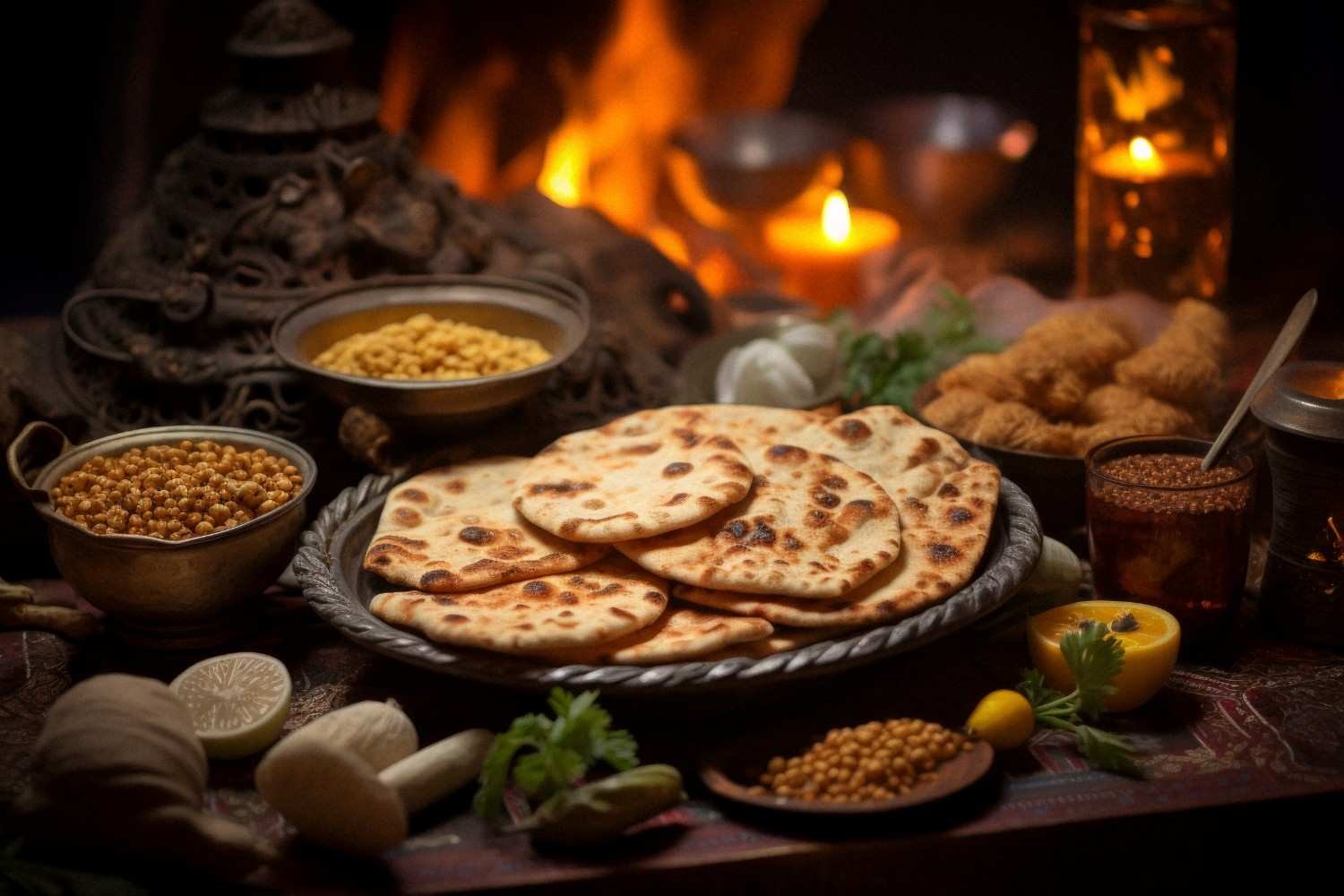
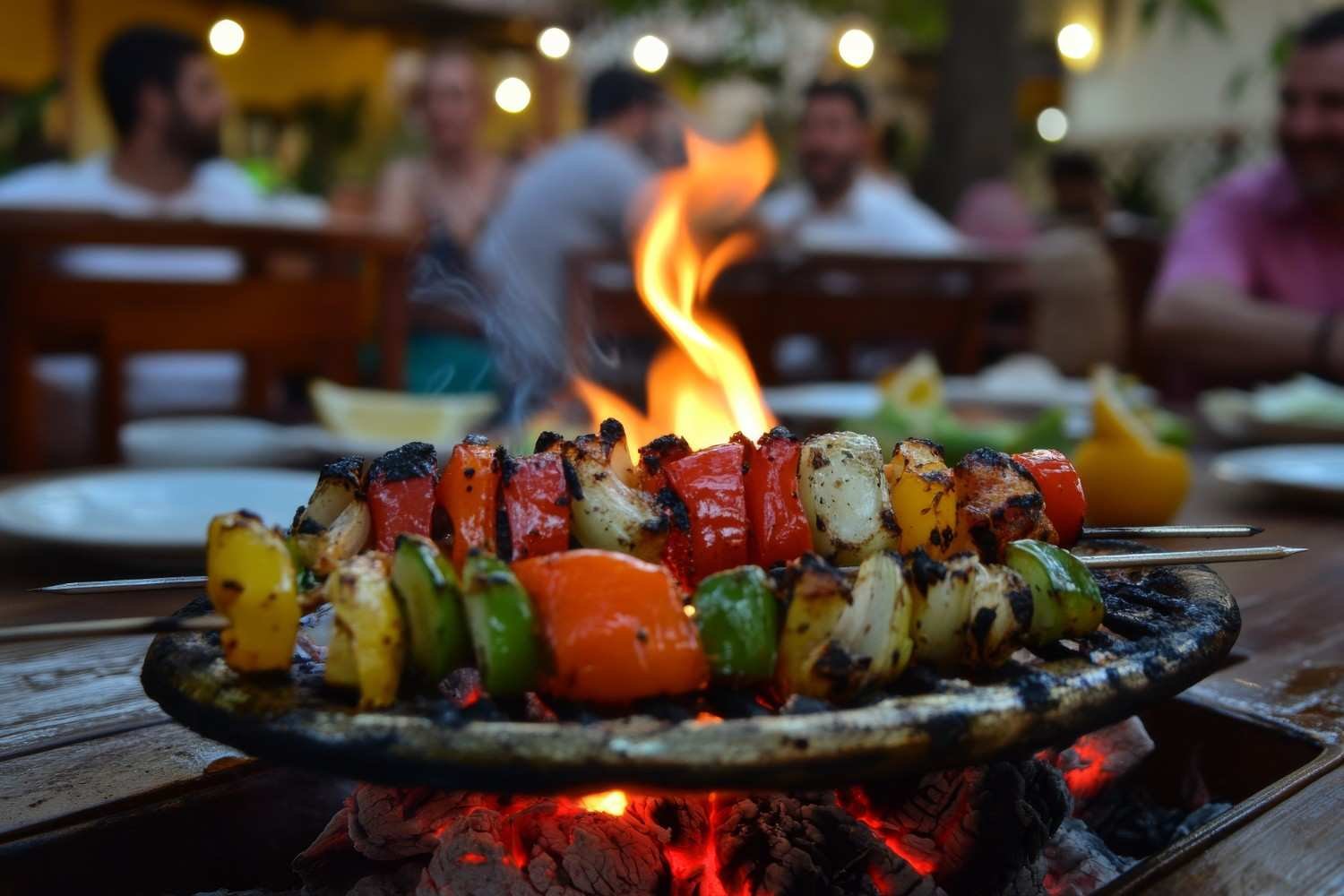
Mangal is Turkish charcoal grilling, and it plays a huge role in Turkish outdoor cooking recipes. It is the method behind kebabs, köfte, chicken şiş, lamb skewers, grilled peppers, tomatoes, onions, and eggplant.
Compared with American barbecue, mangal cooking usually uses smaller cuts, quicker cooking times, and bright sides. You often see grilled meat served with lavash, sumac onions, parsley, lemon, yogurt, pickles, and charred vegetables. The flavor is smoky, fresh, and balanced.
Good mangal cooking depends on coals, not wild flames. Flames can burn the outside before the inside cooks. Glowing charcoal gives steady heat and better flavor.
How US Home Cooks Can Recreate Turkish Hearth Cooking
The easiest way to bring Turkish Hearth Cooking Traditions into an American home is to match the method to the equipment you already have. A charcoal grill can handle kebabs, köfte, peppers, tomatoes, and eggplant.
A pizza oven can bake pide, flatbread, tray kebabs, and roasted vegetables. A Dutch oven can replace güveç for slow stews. A cast iron skillet can replace sac for kavurma and gözleme. These simple swaps also make Turkish Backyard Cooking Ideas feel practical instead of complicated.
The goal is not to copy every village method perfectly. The goal is to understand the rhythm of the fire. Use strong heat for bread and kebabs, gentle heat for lamb and stews, embers for vegetables, and a hot metal surface for quick griddle cooking.
Seasonal cooking also matters. Turkish hearth meals often adapt to what is fresh, dried, preserved, or available. Summer brings tomatoes, peppers, eggplant, and herbs. Colder months bring beans, lamb, bread, dried vegetables, yogurt, and slow-cooked pots.
Common Mistakes to Avoid
The most common mistake is treating every fire like a grill. Turkish hearth cooking uses different heat levels. If you use high flames for everything, bread burns, lamb toughens, and vegetables char before they soften.
Wet wood is another problem. It creates harsh smoke and uneven heat. Use dry hardwood or quality lump charcoal for cleaner flavor.
Do not rush slow dishes. Ağır ateş works because tough cuts and humble ingredients need time. Also, do not overcrowd a skillet when making saç kavurma. Too much meat creates steam instead of browning.
FAQs About Turkish Hearth Cooking
1. What is Turkish hearth cooking?
Turkish hearth cooking is the use of fire, embers, charcoal, clay ovens, stone ovens, and metal griddles to cook bread, meat, vegetables, stews, and kebabs.
2. What is ocakbaşı in Turkish food culture?
Ocakbaşı means hearthside and often refers to dining around a charcoal grill where chefs cook kebabs and vegetables directly over the coals.
3. What is a Turkish tandır used for?
A Turkish tandır is used for slow-roasting lamb, baking bread, and cooking food with strong stored heat inside a clay or earth oven.
4. Can I make Turkish hearth food without a wood-fired oven?
Yes. US home cooks can use a charcoal grill, pizza oven, Dutch oven, cast iron skillet, baking stone, smoker, or regular oven.
5. What is sac cooking in Turkish cuisine?
Sac cooking uses a thin curved iron griddle to cook flatbreads like gözleme and meat dishes like saç kavurma over high heat.
6. What foods are best for beginners?
Start with grilled köfte, chicken şiş, roasted eggplant, Turkish flatbread, saç kavurma, or Dutch oven-style kuzu tandır.
Final Thoughts
Turkish hearth cooking is powerful because it turns simple food into something generous and memorable. Fire gives bread its crust, lamb its tenderness, vegetables their smoky sweetness, and meals their sense of occasion.
For US cooks, this tradition fits beautifully into backyard cooking culture. Whether you use a pizza oven, charcoal grill, Dutch oven, smoker, or cast iron skillet, you can bring the spirit of Turkish fire cooking into your own kitchen.
Respect the heat, cook with patience, serve the food hot, and let the bread, smoke, meat, vegetables, conversation, and the connection between cooking behavior and well-being do the rest.