


Turkish Countryside Cooking: The Village Food Tradition Most Home Cooks Are Missing
Turkish countryside cooking is the kind of food that does not need fancy plating to make people stop and pay attention. It begins with sun-ripened tomatoes, cracked wheat, smoky eggplant, fresh yogurt, hand-shaped bread, and meals that slowly come together over fire, clay, cast iron, or a heavy pot.
I like this style because it feels honest. Nothing is rushed, nothing is wasted, and every ingredient has a purpose.
For US home cooks, this is where Turkish food becomes more than kebabs and restaurant dishes. It becomes a practical way to cook deeply flavorful meals with ingredients you can actually find: cabbage, lentils, bulgur, peppers, onions, eggplant, ground beef, lamb, herbs, olive oil, and plain yogurt.
The beauty of village-style Turkish food is that it turns simple pantry staples into rustic meals that feel warm, smoky, generous, and completely different from everyday weeknight cooking.
What Makes Turkish Countryside Cooking Different From Restaurant Turkish Food?
Turkish countryside cooking is more rustic, seasonal, and ingredient-driven than most urban restaurant meals. In villages, food is often cooked around what is growing, what has been preserved, and what the household already has.
Bright summer tomatoes become thick paste for winter. Red peppers are dried or boiled down for deeper flavor. Milk turns into yogurt, ayran, cheese, or dough enrichment instead of going to waste.
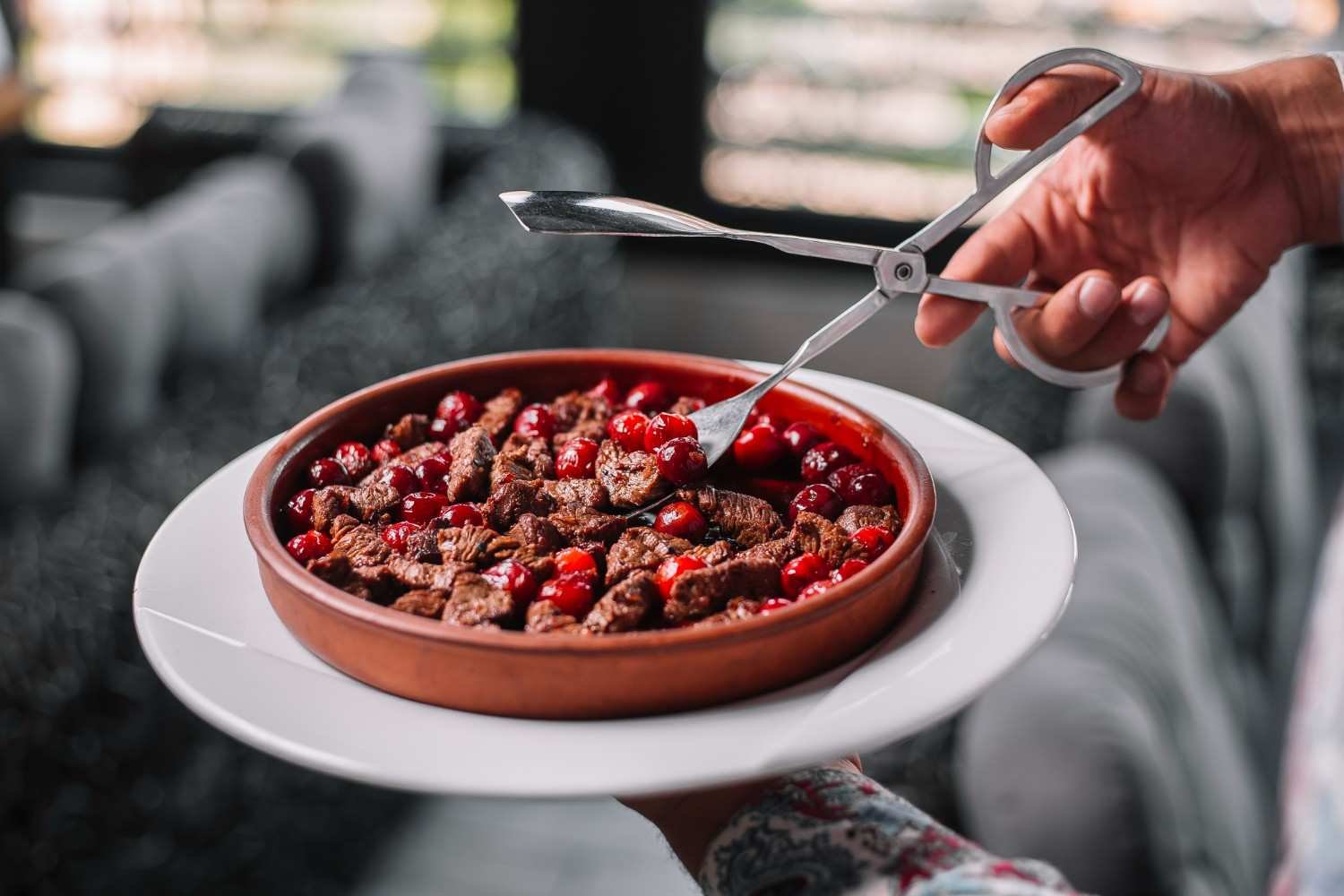
Urban Turkish restaurants often focus on kebabs, grilled meats, meze plates, and fast service. Village cooking moves slower. Clay pots may simmer for hours. Cast iron pans hold steady heat over fire. Bread bakes on stone floors in communal ovens. Vegetables, grains, and legumes carry as much importance as meat.
This is why Turkish village food has such a distinct taste. It does not depend on heavy sauces. It gains depth from wood smoke, sun-concentrated pastes, fresh herbs, hand-milled grains, and long, gentle cooking.
Why Bulgur, Wheat, and Bread Shape Rural Turkish Meals

Grains form the backbone of many traditional Turkish countryside recipes. Coarse bulgur, cracked wheat, and wheat flour appear in pilafs, soups, flatbreads, stuffed vegetables, and hearty family meals. Bulgur is especially useful for US kitchens because it cooks faster than rice and adds a nutty, rustic texture.
In many village meals, bread is not just a side. It is part of the meal itself. Thick-crusted village loaves, pide-style flatbreads, and griddle-cooked doughs help scoop stews, soak up tomato broth, and stretch simple ingredients into filling dinners.
If you want to bring this cooking style into an American home, start with bulgur, good bread, and plain yogurt. Those three ingredients instantly make simple meals feel closer to Turkish rural cooking.
How Wood Fire, Clay Pots, and Cast Iron Build Deeper Flavor
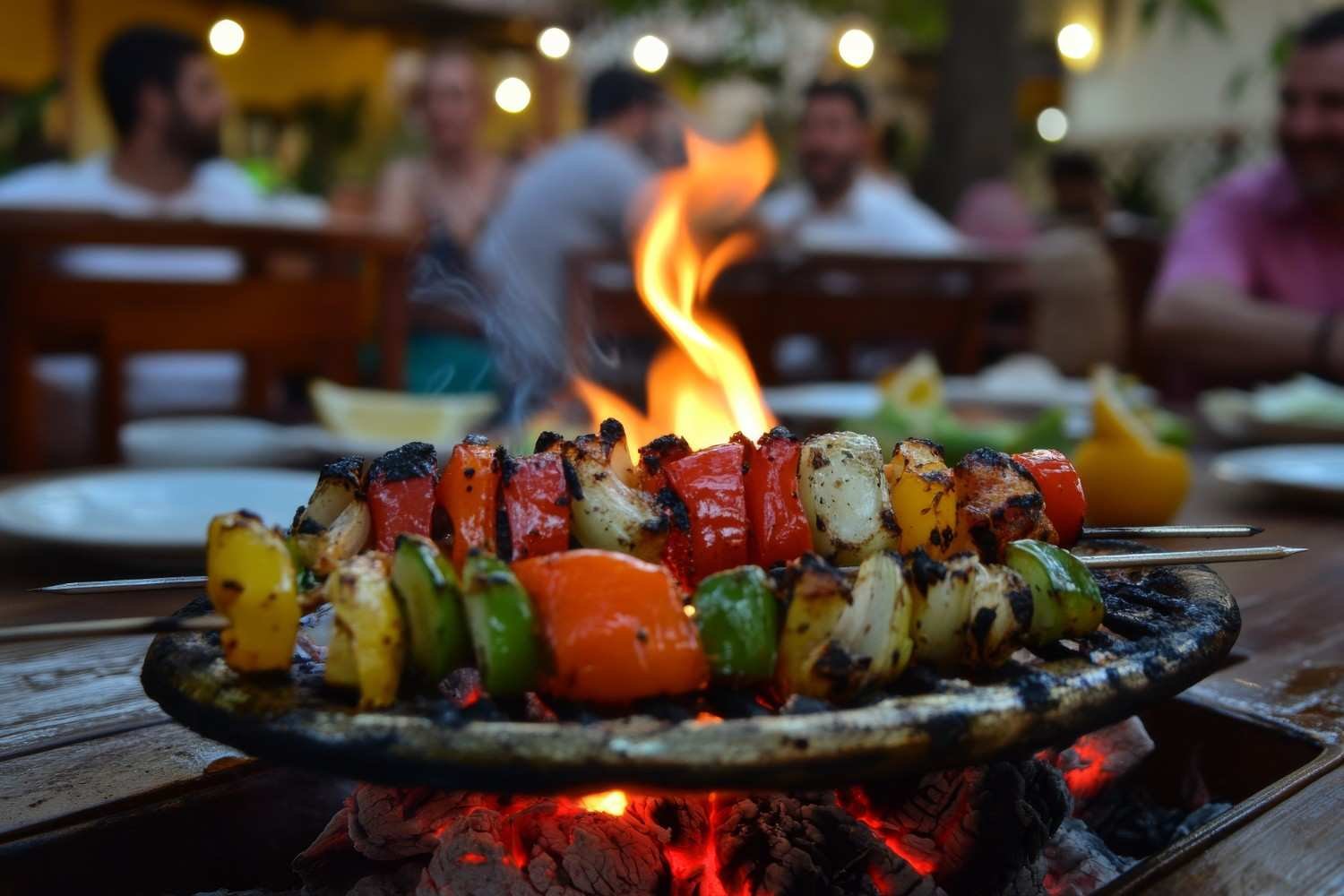
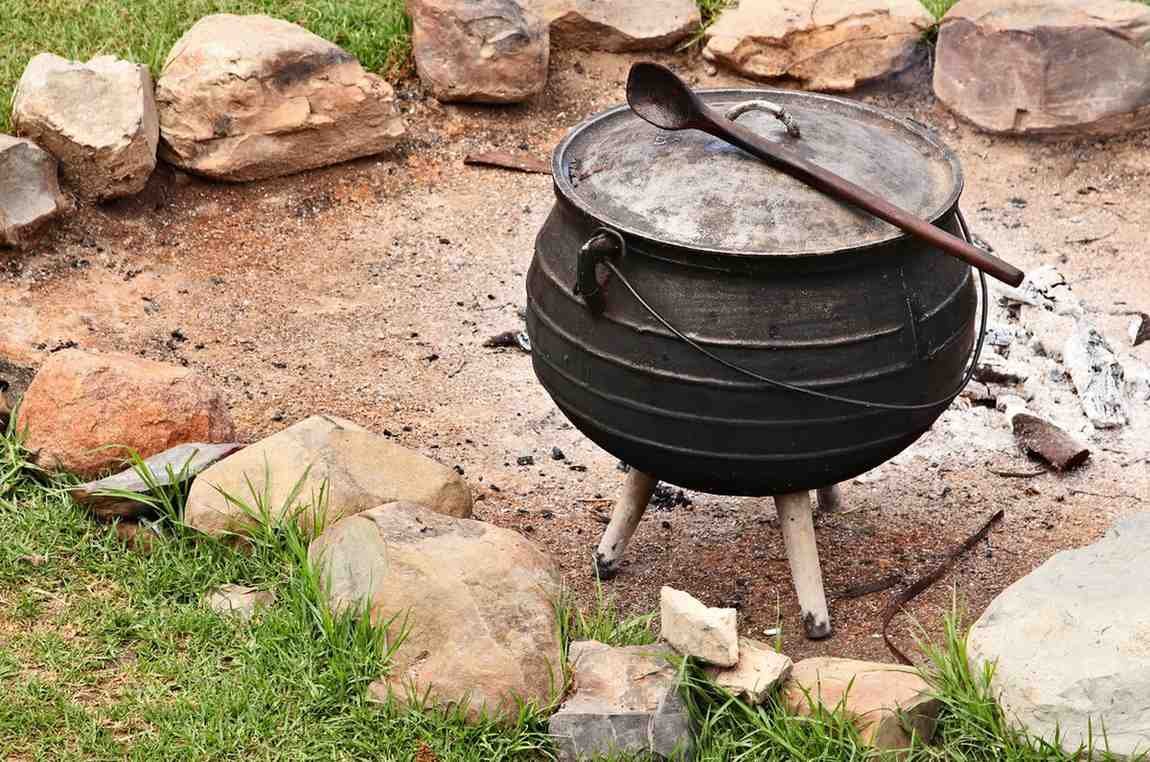
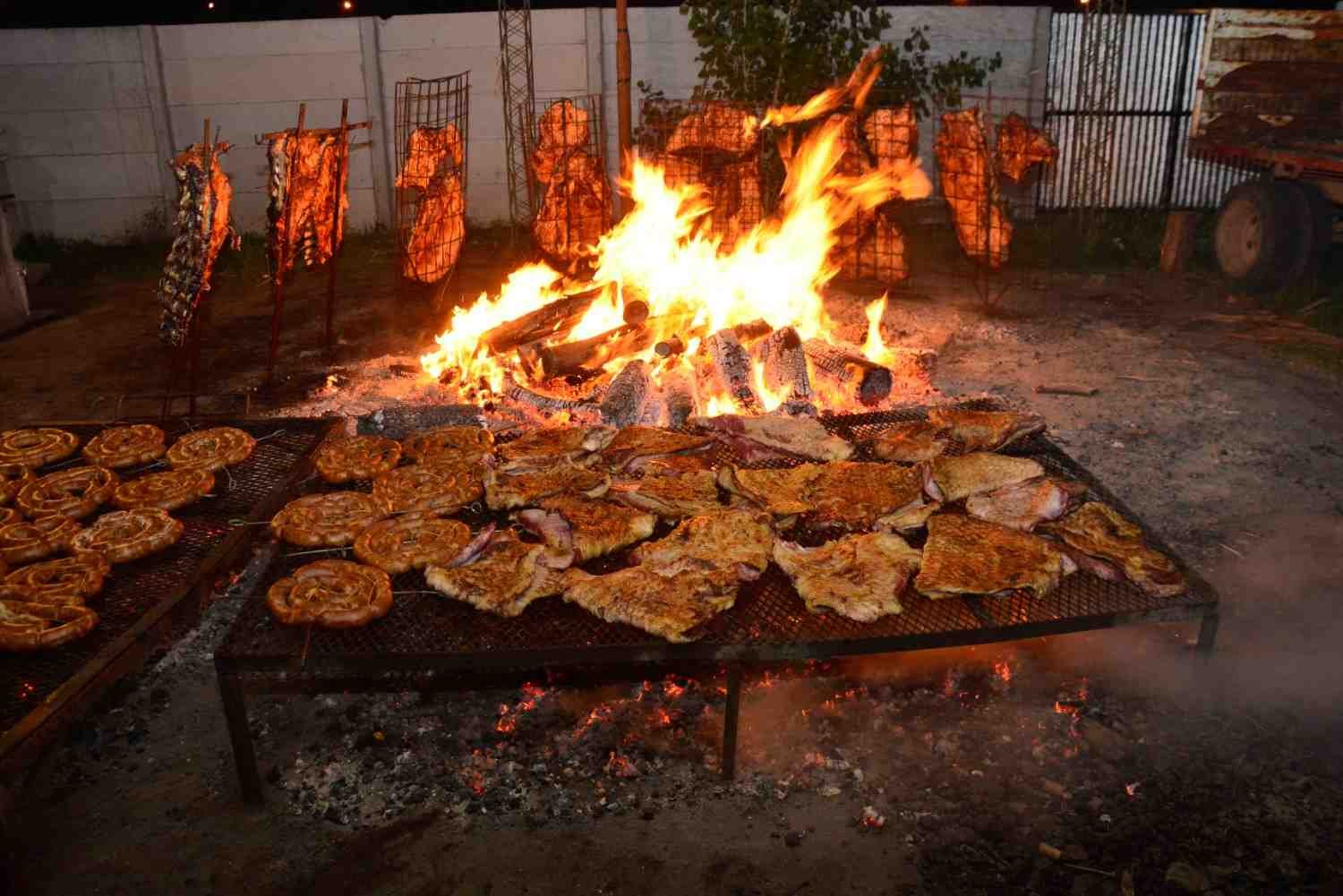
The most memorable part of Turkish rural cooking is the heat source. Open flames and wood-fired ovens add smoke, char, and slow warmth. Clay pots and earthenware dishes hold moisture while letting stews cook gently. Heavy cast iron pans create browned edges on meat, peppers, onions, eggs, and flatbreads.
You do not need a village oven to recreate this at home. A cast iron skillet, Dutch oven, grill, pizza stone, or slow cooker can help you get close. A hot oven can mimic stone-baked bread. A grill can add smoke to eggplant, peppers, lamb, or chicken.
A Dutch oven can replace clay cookware for long-simmered stews, especially when adapting Turkish wood fired cooking recipes for a modern US kitchen.
The goal is not a perfect imitation. The goal is to cook patiently enough for the flavor to deepen.
The No-Waste Philosophy Behind Turkish Village Food
One of the strongest lessons from Turkish rural cuisine is the no-waste mindset. Vegetable stems, leftover greens, soured milk, stale bread, and trimmings often find a second use. Stale bread can thicken soups or become a base for simple meals. Soured dairy can enrich dough. Vegetable parts can flavor stews, stocks, or fillings.
This approach fits modern US home cooking very well. It lowers food waste, saves money, and encourages more creative meals. Instead of treating leftovers as an afterthought, countryside cooking turns them into tomorrow’s soup, bread, filling, or side dish.
Signature Turkish Village Dishes Worth Trying at Home
Karnıyarık: Stuffed Eggplant With Tomato Broth
Karnıyarık, often translated as slit-belly eggplant, is one of the most satisfying Turkish eggplant dishes. Fresh eggplants are lightly fried or roasted, split open, filled with seasoned minced lamb or beef, onions, peppers, and tomatoes, then baked in a rich tomato broth.
For a US kitchen, you can roast the eggplants instead of frying them to make the dish lighter and easier. Serve it with rice, bulgur pilaf, yogurt, and warm bread.
Kapuska: Hearty Turkish Cabbage Stew
Kapuska is a humble cabbage stew that shows how simple ingredients can become deeply comforting. It usually includes chopped green cabbage, onions, tomato paste, pepper paste, and sometimes coarse bulgur or minced meat.
This dish works especially well for American winter cooking because cabbage is affordable, filling, and widely available. It is the kind of meal that tastes even better the next day.
Lahana Sarması: Village-Style Cabbage Rolls
Lahana sarması uses softened cabbage leaves wrapped around a filling of bulgur or rice, minced meat, dried mint, onions, tomato paste, and pepper paste. The rolls simmer until tender and are often served with yogurt.
This dish takes time, but it captures the patience of Turkish village food. It is also perfect for weekend cooking because a large pot can feed a family for more than one meal.
Village Bread and Rustic Flatbreads
Turkish countryside bread can include thick wheat loaves, pide-style flatbreads, gözleme, and griddle-cooked doughs. Traditional versions may use natural wild yeasts and bake directly on hot stone or in village ovens.
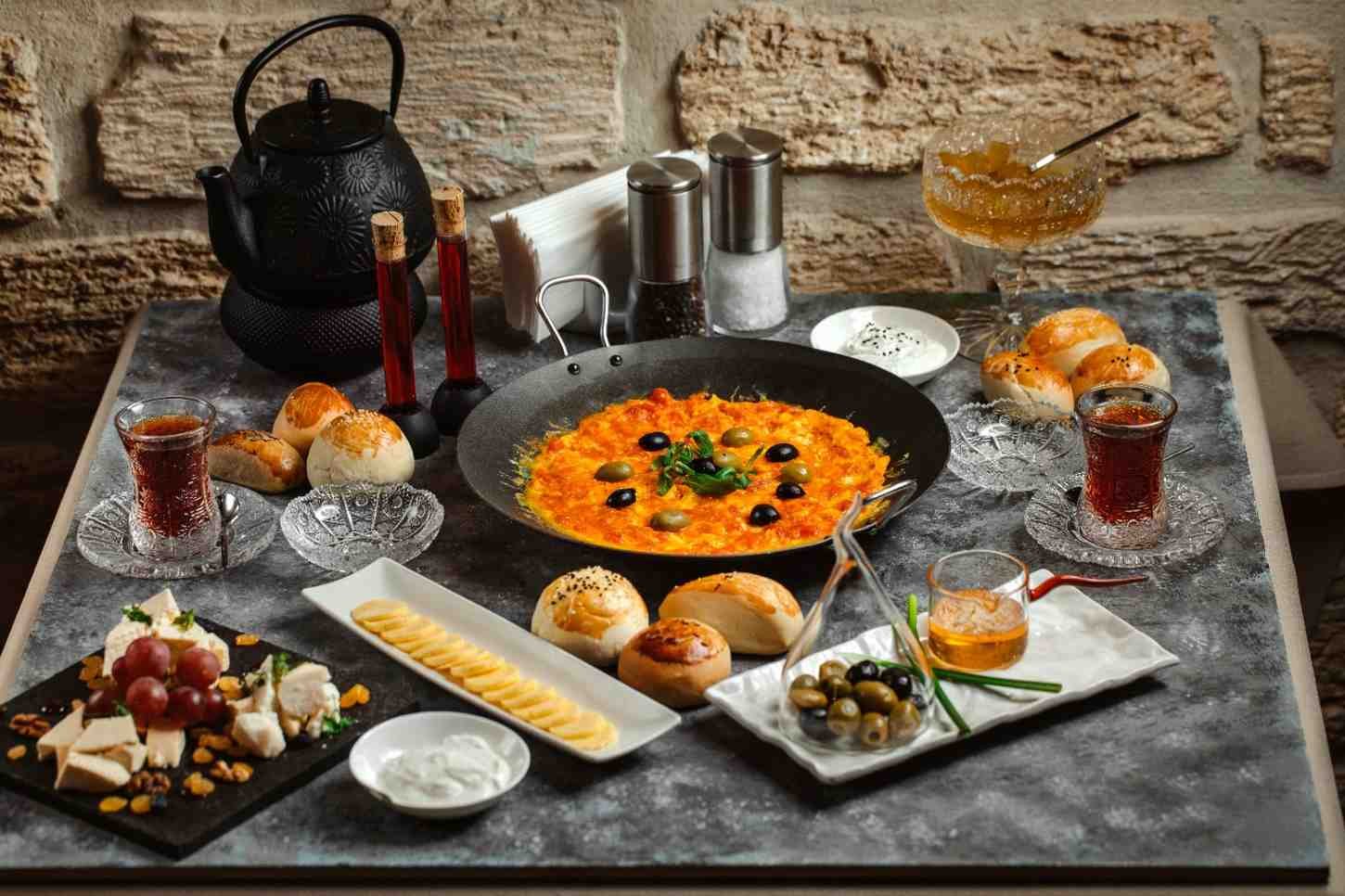
At home, you can use a pizza stone, cast iron pan, or baking steel. Serve rustic bread with lentil soup, menemen, cheese, olives, tomato salad, or a slow-cooked stew.
Regional Turkish Countryside Food US Cooks Should Know

The Aegean and Mediterranean coasts lean heavily on olive oil, wild mountain greens, artichokes, fresh herbs, beans, and vegetable-based dishes. This style feels especially familiar to American cooks who enjoy Mediterranean food.
Anatolia and the Southeast bring a deeper, earthier style. These regions use sun-dried spices, pepper pastes, fine bulgur, lamb, clay-pot stews, kebab traditions, and hearty grain-based meals. If the coastal style feels bright and green, the Anatolian and Southeastern style feels smoky, bold, and warming.
Understanding these regional differences helps you avoid treating Turkish village cooking as one single flavor. It changes by season, geography, harvest, and household tradition.
How to Make Rustic Turkish Food in a US Kitchen
To start, choose familiar dishes that still feel authentic. Make menemen with tomatoes, peppers, and eggs. Cook bulgur pilaf with tomato paste and onions. Simmer red lentil soup with dried mint and lemon. Roast eggplant until smoky and serve it with garlic yogurt. Try kapuska when cabbage is in season.
Keep a few pantry items ready: bulgur, lentils, tomato paste, red pepper flakes, dried mint, olive oil, plain yogurt, chickpeas, white beans, and good bread. If you can find Turkish pepper paste, pul biber, or beyaz peynir, use them for extra depth.
The biggest rule is to slow down. Let onions soften. Let tomatoes reduce. Let cabbage collapse into the broth. Let bread warm before serving. Let yogurt, lemon, herbs, and olive oil finish the plate.
FAQs About Rustic Turkish Village Food
1. What are the easiest Turkish village recipes for beginners?
Menemen, red lentil soup, bulgur pilaf, roasted eggplant with yogurt, and kapuska are easy starter dishes for US home cooks.
2. Can I make Turkish rural food without a wood-fired oven?
Yes. A cast iron skillet, Dutch oven, grill, pizza stone, or hot oven can recreate some of the smoky, rustic texture.
3. What ingredients do I need for Turkish country-style meals?
Start with bulgur, lentils, cabbage, eggplant, tomatoes, peppers, onions, yogurt, olive oil, dried mint, parsley, and tomato paste.
4. Is Turkish village food good for meal prep?
Yes. Stews, soups, stuffed vegetables, bulgur dishes, and cabbage recipes often taste better after resting overnight.
5. What makes Turkish rural cuisine different by region?
The Aegean and Mediterranean regions use more olive oil, greens, and vegetables, while Anatolia and the Southeast use more bulgur, spices, meat, and clay-pot stews.
Final Thoughts
The beauty of Turkish countryside cooking is that it turns humble ingredients into soulful meals. It respects the season, stretches the pantry, and makes food feel generous without needing luxury ingredients.
For US home cooks, this style offers a practical way to cook more from scratch while enjoying bold, rustic Turkish flavor. Start with bulgur pilaf, lentil soup, kapuska, menemen, roasted eggplant, or griddle fry breads.
Then move into cabbage rolls, village bread, clay-pot stews, and wood-fired dishes. Once you understand the rhythm, you will see why rural Turkish food feels so warm, grounded, and unforgettable.