






Turkish Meze Recipes for Beginners: Easy 3-Dip Plate
A good meze plate should feel generous, colorful, and easy to share. That is why Turkish meze recipes for beginners are one of my favorite starting points for anyone nervous about Turkish cooking.
You do not need a grill, special equipment, or advanced knife skills. Most classic mezes rely on thick yogurt, garlic, olive oil, fresh herbs, vegetables, and bold pantry seasonings. I like starting with three dishes: one creamy, one sweet-savory, and one spicy-fresh. Together, they create a balanced plate without making the kitchen chaotic.
Why Turkish Meze Works So Well for New Cooks
Meze is built for small bites. In Turkey and across the wider Mediterranean region, mezes are served as appetizers, shared plates, or table starters. They often include dips, vegetable salads, yogurt dishes, olives, pickles, cheeses, herbs, and warm bread.
That makes meze ideal for beginners. You can make one dish or build a full spread. You can serve everything cold or at room temperature. You can also prep most of it before guests arrive.
My favorite part is the low pressure. If a main dish fails, dinner feels stressful. If one meze is slightly garlicky or extra spicy, it still works on the table. Bread, yogurt, olive oil, and herbs smooth out small mistakes.
The Beginner Meze Formula I Use
When I make a simple Turkish-style spread, I do not start with ten recipes. I use a three-part formula that keeps the plate balanced.
Start With One Creamy Dip
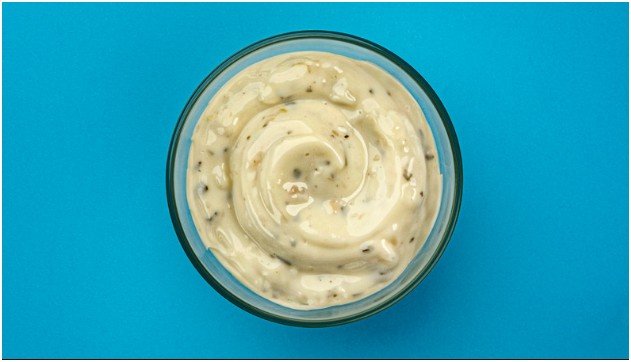
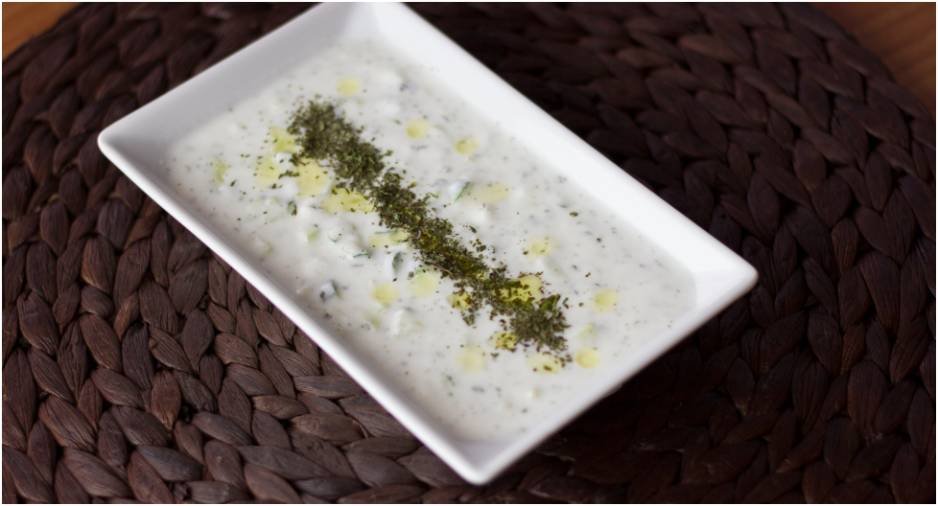
A yogurt-based meze gives the plate richness. Haydari is perfect because it needs no cooking. Thick yogurt, feta, garlic, dill, mint, and olive oil create a dip that tastes far more complex than the effort involved.
Add One Vegetable-Based Meze
A vegetable meze adds sweetness and color. Havuç tarator uses grated carrots cooked briefly in olive oil, then folded into garlic yogurt. It tastes mellow, creamy, and lightly sweet.
Finish With One Bright, Spicy Option
A fresh tomato and pepper meze wakes up the plate. Acılı ezme brings acidity, heat, herbs, and crunch. It cuts through the creamy dishes and makes every bite feel sharper.
This simple structure is the original element I recommend for beginners: build by texture, not by recipe count. One creamy, one soft vegetable, one spicy-fresh dish is enough.
Easy Turkish Meze Recipes for Beginners
These three Turkish meze recipes for beginners use easy-to-find ingredients in the US. Greek yogurt, feta, carrots, tomatoes, peppers, parsley, lemon, and olive oil are available in most grocery stores.
Haydari: Garlic Yogurt and Feta Dip
Haydari is thick, tangy, salty, and rich. It is the dish I make when I want something fast but impressive.
Preparation time: 5 to 10 minutes
Cooking: None
Ingredients:
2 cups full-fat Greek yogurt or labneh
2 tablespoons full-fat feta cheese
2 garlic cloves, minced
1 handful fresh dill, finely chopped
1 tablespoon dried mint
Salt, to taste
Extra virgin olive oil, for serving
Mash the feta in a bowl until it becomes smooth and crumbly. Stir in the yogurt and garlic. Add dill, dried mint, and a small pinch of salt. Mix until creamy.
Spread the dip on a shallow plate. Drag the back of a spoon across the top to create small swirls. Drizzle olive oil over the surface before serving.
My tested tip: let haydari chill for at least one hour. The garlic softens, the herbs bloom, and the texture gets firmer.
Havuç Tarator: Sautéed Carrot and Yogurt Dip
Havuç tarator turns basic carrots into a sweet, savory dip. It is simple, but it never tastes plain.
Cooking time: 10 minutes
Chilling time: 30 minutes
Ingredients:
2 medium carrots, grated
1 cup thick plain yogurt
1 garlic clove, minced
2 tablespoons olive oil
Salt, to taste
Chopped walnuts or fresh dill, optional
Heat olive oil in a skillet over medium heat. Add grated carrots and cook for 5 to 7 minutes. They should soften but not brown heavily. Remove them from the pan and cool completely.
In a bowl, whisk yogurt, garlic, and salt. Fold in the cooled carrots. Chill before serving. Add walnuts or dill on top if you want more texture.
Do not mix hot carrots into yogurt. Heat can loosen the yogurt and make the dip watery. Cooling the carrots first keeps the texture thick.
Acılı Ezme: Spicy Tomato and Pepper Salsa
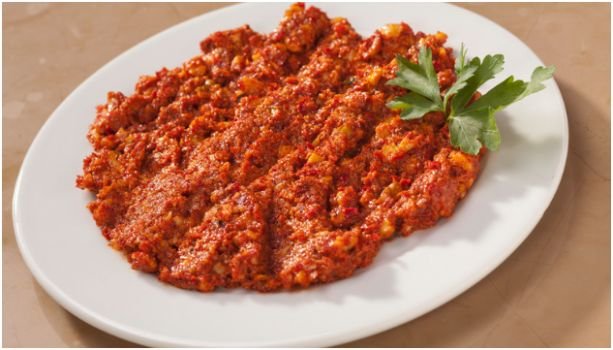
Acılı ezme is bright, spicy, juicy, and fresh. It tastes like a Turkish kebab-house salsa, but it takes only basic chopping.
Preparation time: 15 minutes
Resting time: 30 minutes
Ingredients:
3 medium tomatoes, deseeded
1 small onion
2 garlic cloves
1 red bell pepper
1 green pepper
1/4 cup fresh parsley, chopped
1 tablespoon tomato paste
2 tablespoons olive oil
1 tablespoon lemon juice
1 tablespoon pomegranate molasses
1 teaspoon sumac
1 teaspoon red pepper flakes or pul biber
Salt, to taste
Finely dice the tomatoes, onion, peppers, garlic, and parsley. You can use a food processor, but pulse lightly. The mixture should stay chunky, not turn into sauce.
If the vegetables release too much liquid, drain them through a fine-mesh sieve. In a separate bowl, whisk tomato paste, olive oil, lemon juice, pomegranate molasses, sumac, pepper flakes, and salt. Toss the vegetables into the dressing.
Rest the ezme in the fridge for 30 minutes. That short wait matters. The tomato, onion, lemon, and spices settle into one sharper flavor.
Best Bread Pairings for Turkish Meze
Bread is not an afterthought. It changes how the meze tastes and feels.
Ramazan Pidesi
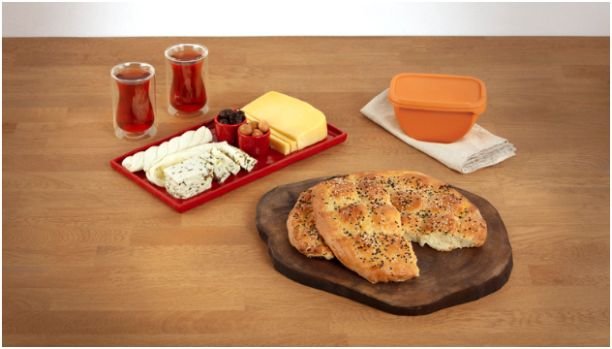
Ramazan pidesi is soft, airy, chewy, and usually topped with sesame and nigella seeds. It is excellent with haydari and havuç tarator because the fluffy crumb catches thick yogurt dips.
Lavaş
Lavaş is thin and flexible. In Turkish restaurants, it may arrive puffed like balloon bread. It works beautifully with acılı ezme because it lets the spicy tomato flavor stay in front.
Bazlama
Bazlama is thicker and softer, almost like a village-style flatbread. It is sturdy enough for heavy scooping. I like it when the meze plate includes thick yogurt dips or grilled vegetables.
Easy Store-Bought Substitutes
If you cannot find a Turkish bakery, use naan instead of bazlama. Warm pita works well in place of pidesi. A flour tortilla warmed in a dry pan can mimic the flexible feel of lavaş.
Beginner Tips That Make Meze Taste Better
Use strained yogurt. Regular yogurt often turns dips loose and watery. Full-fat Greek yogurt or labneh gives haydari and tarator the right body. You can also strain plain yogurt through cheesecloth to remove extra whey.
Use good extra virgin olive oil. In these dishes, olive oil is not hidden. It carries garlic, herbs, spices, and acidity. A grassy, peppery oil can make a simple dip taste restaurant-level.
Prep ahead when possible. Most mezes improve after a short rest in the fridge. The one exception is bread, which should be warmed right before serving.
Keep food safety simple. I chill yogurt-based dishes until serving and do not leave them out for long periods. For leftovers, I use a clean container and eat them within a few days.
How I Build a Simple Meze Plate for Guests
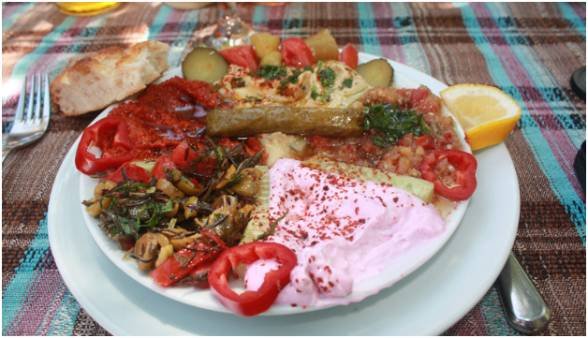
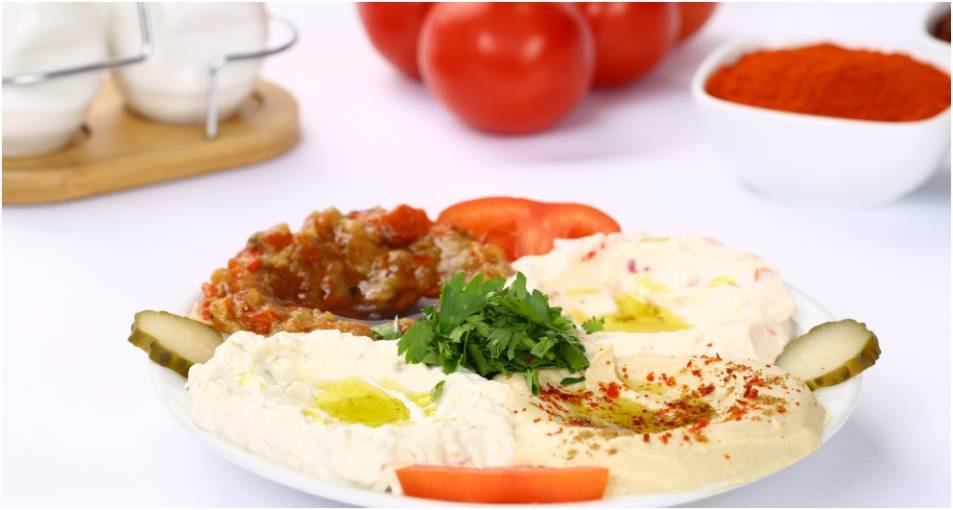
For a small gathering, I place haydari in the center because it is creamy and familiar. Then I add havuç tarator beside it for color. Acılı ezme goes on the opposite side because its red color and spicy flavor stand out.
I add warm bread last. Then I fill the empty spaces with olives, cucumber slices, cherry tomatoes, pickles, or feta cubes. This makes the plate look full without adding more cooking.
The easiest timing is simple. Make haydari first, then ezme, then carrot tarator. Chill everything. Warm the bread five minutes before serving.
This is also a smart place to add another Turkish starter. If you want one cooked option beside these dips, try a Turkish zucchini fritters recipe mücver. The crisp fritters pair well with yogurt mezes and make the plate feel more complete.
FAQs About Turkish Meze Recipes for Beginners
1. What are the easiest Turkish mezes to make at home?
Haydari, havuç tarator, and acılı ezme are the easiest because they need simple ingredients and little cooking.
2. Can I make Turkish meze recipes for beginners ahead of time?
Yes, most mezes taste better after chilling for one to three hours before serving.
3. What bread goes best with Turkish meze?
Ramazan pidesi, lavaş, and bazlama are classic choices, but warm pita, naan, or tortillas also work.
4. Are Turkish mezes served hot or cold?
Many beginner-friendly mezes are served cold or at room temperature, especially yogurt dips and chopped salads.
Final Bite: Don’t Overthink the Meze Plate
A meze plate does not need to be fancy to be memorable. I start with thick yogurt, bright vegetables, good olive oil, warm bread, and one spicy dish that wakes everything up.
That is the charm of Turkish meze recipes for beginners. They look generous, taste bold, and forgive small mistakes. Make three dishes, warm the bread, add olives or pickles, and let the table do the talking.