







A Closer Look At Healthy Foods From Turkish Cuisine And Their Health Benefits
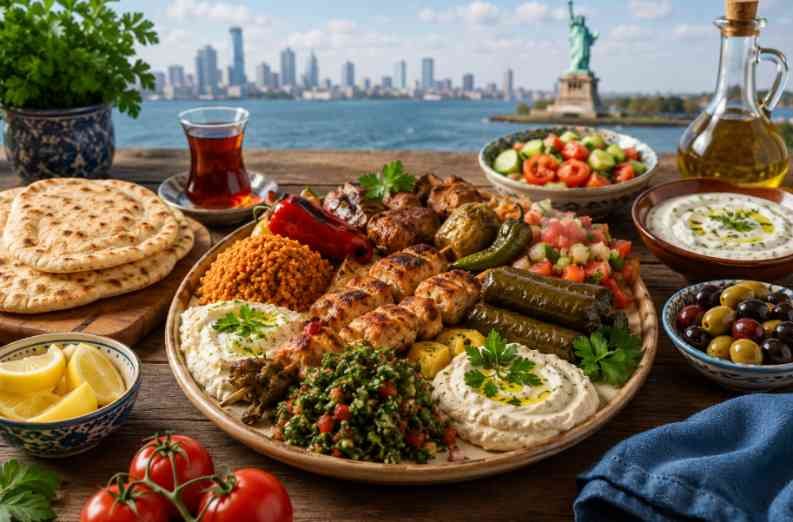
Food trends come and go, but some culinary traditions remain relevant because they are built around balance. Turkish cuisine is one of those traditions. While many people associate it with kebabs, baklava, or rich restaurant meals, everyday Turkish cooking tells a different story.
It centers on fresh vegetables, legumes, yogurt, olive oil, whole grains, and seasonal ingredients that naturally support a healthy lifestyle.
What makes Turkish food especially interesting is that many of its healthiest dishes were never designed to fit modern wellness trends. They evolved over generations as practical, nourishing meals made from locally available ingredients.
As a result, many traditional recipes align remarkably well with current nutritional recommendations while still delivering the flavor and comfort people expect from good food.
Why Turkish Cuisine Is Naturally Healthy
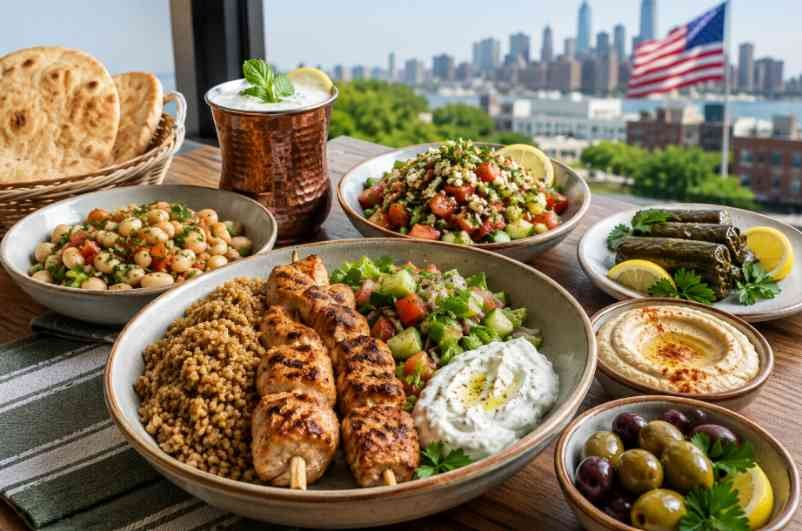
One of the reasons healthy foods from Turkish cuisine stand out is their focus on simple, wholesome ingredients. Instead of relying heavily on processed foods, traditional meals often feature fresh produce, lean proteins, herbs, legumes, and healthy fats.
The same respect for traditional cooking methods can also be seen in Turkish wood fire food culture, where natural heat, fresh ingredients, and slow preparation help preserve both flavor and authenticity.
The influence of Mediterranean and Aegean cooking traditions can be seen throughout Turkish food culture. Many meals are prepared through grilling, boiling, baking, or slow stewing rather than deep frying. This approach helps preserve nutrients while keeping dishes lighter and more balanced.
Understanding the history of Turkish cuisine also helps explain why these eating habits remain so prevalent. The country’s culinary traditions developed through a combination of regional agriculture, trade routes, and cultural influences, creating a food culture that values both nutrition and flavor.
Probiotic-Rich Foods That Support Gut Health
Gut health has become a major topic in nutrition, but Turkish kitchens have long embraced foods that support digestive wellness.
Yoğurt (Traditional Turkish Yogurt)
Yogurt is one of the most widely consumed foods in Turkish households. Unlike many flavored commercial varieties, traditional Turkish yogurt is simple, thick, and packed with protein.
Its probiotic cultures help support digestive health while providing calcium and other important nutrients. Turkish yogurt is often enjoyed on its own, paired with meals, or used as the foundation for sauces and soups.
Cacık
Cacık combines yogurt, cucumber, garlic, mint, and olive oil into a refreshing dish that works as a side or appetizer.
The combination offers hydration, probiotics, and fresh vegetables in one serving. Many people find it particularly helpful during heavier meals because it adds freshness and balance without feeling overly filling.
Heart-Healthy Olive Oil Dishes
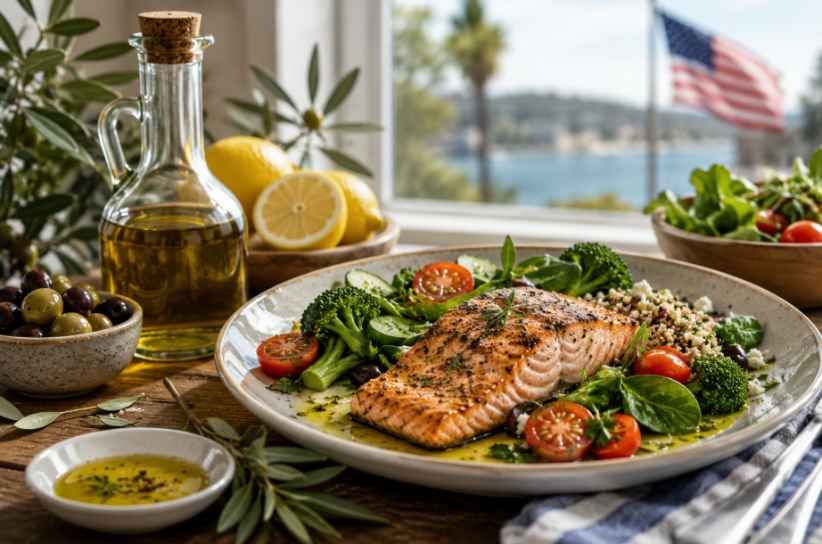
Olive oil plays a central role in many healthy Turkish dishes. It serves as a primary cooking fat and appears in numerous vegetable-based recipes.
Zeytinyağlılar
Zeytinyağlılar refers to a category of dishes where vegetables are gently cooked in olive oil and served at room temperature.
Common ingredients include:
- Green beans
- Artichokes
- Leeks
- Eggplant
- Broad beans
These dishes provide fiber, vitamins, and beneficial monounsaturated fats. Because the vegetables remain the star of the meal, they deliver plenty of nutrition without requiring heavy sauces or excessive ingredients.
Shepherd’s Salad
Known as Çoban Salatası, this simple salad combines tomatoes, cucumbers, onions, peppers, olive oil, and herbs.
Its fresh ingredients provide antioxidants, hydration, and important micronutrients while complementing nearly any meal.
The Nutritional Value Of Lentils And Legumes
Legumes are among the most important ingredients in Turkish healthy food traditions. They offer an affordable and highly nutritious source of plant-based protein.
Mercimek Çorbası (Lentil Soup)
Few dishes represent healthy foods from Turkish cuisine better than lentil soup.
Made primarily from red lentils, onions, carrots, and spices, it delivers:
- Plant-based protein
- Dietary fiber
- Iron
- Complex carbohydrates
Many people begin meals with lentil soup because it promotes fullness and helps prevent overeating later in the meal.
Bean-Based Dishes
White beans and chickpeas appear regularly in traditional Turkish meals. Their high fiber content supports digestion while providing steady energy throughout the day.
Unlike heavily processed convenience foods, these dishes rely on simple ingredients that create satisfying meals without excessive calories.
Nutrient-Dense Greens Worth Discovering
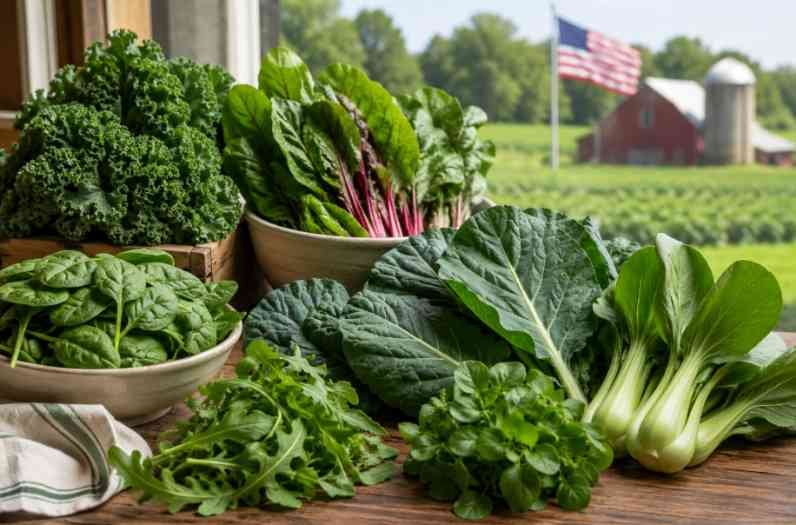
Vegetables occupy a central place in Turkish cooking, especially in coastal and Aegean regions.
Semizotu Salatası (Purslane Salad)
Purslane may not receive as much attention as kale or spinach, but it deserves recognition.
This leafy green contains notable levels of omega-3 fatty acids, antioxidants, and vitamins. When combined with yogurt, tomatoes, and olive oil, it creates a nutrient-rich salad that is both refreshing and satisfying.
Seasonal Vegetable Stews
Seasonality remains important in Turkish food culture. Many households prepare vegetable stews using whatever produce is freshest at the market.
This approach naturally encourages dietary variety, which helps people consume a broader range of vitamins, minerals, and beneficial plant compounds.
Lean Proteins That Fit A Balanced Diet
Protein plays an important role in maintaining muscle mass and supporting overall health. Turkish cuisine offers several lean options that fit well within a balanced eating pattern.
Balık Izgara (Grilled Fish)
Coastal communities have long embraced grilled fish as a staple meal.
Popular varieties such as sea bass and sea bream provide high-quality protein along with omega-3 fatty acids that support heart and brain health. The simplicity of grilling allows the natural flavor of the fish to shine without requiring heavy sauces.
Grilled Meats In Moderation
While kebabs often receive the spotlight, traditional preparations frequently emphasize lean cuts and straightforward cooking methods. When paired with vegetables, salads, and whole grains, these meals become part of a balanced nutritional approach.
Whole Grains That Provide Lasting Energy
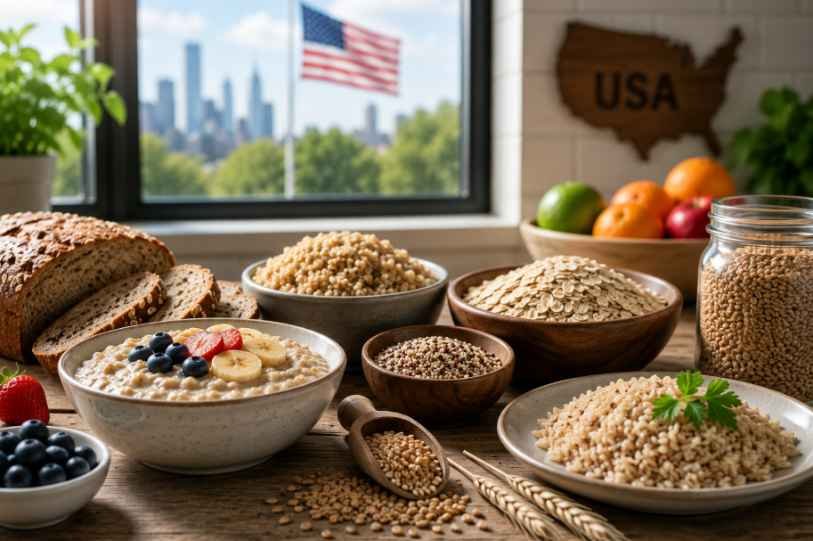
Whole grains remain an important component of nutritious Turkish meals.
Bulgur Pilaf
Bulgur is a cracked whole wheat grain that retains much of its original nutritional value.
Compared to refined grains, bulgur offers:
- More fiber
- Better satiety
- Steady energy release
- B vitamins
- Important minerals
Its nutty flavor and versatility make it a common side dish alongside vegetables, fish, and legumes.
The Power Of Turkish Herbs, Spices, And Natural Sweeteners
Flavor is one area where Turkish cuisine truly excels. Rather than relying on excess salt or sugar, many dishes use herbs and spices to create depth and complexity. This balance of sweetness, texture, and tradition also appears in fillo dough baklava recipe, where thin pastry layers, nuts, and syrup show how Turkish desserts can be rich in flavor while still rooted in classic preparation methods.
Sumac And Pul Biber
Sumac delivers a bright, citrus-like flavor that can enhance salads and grilled foods without adding sodium.
Pul biber, a type of red pepper flake, contributes gentle heat while containing compounds associated with antioxidant and anti-inflammatory properties.
Pekmez
Pekmez is a traditional fruit molasses made from grapes, mulberries, or carob.
Unlike many processed sweeteners, it contains naturally occurring minerals such as iron, calcium, and potassium. While it should still be enjoyed in moderation, it offers more nutritional value than many refined sugar products.
FAQs: A Closer Look At Healthy Foods From Turkish Cuisine And Their Health Benefits
1. What are the healthiest foods from Turkish cuisine?
Some of the healthiest options include lentil soup, yogurt, cacık, olive oil vegetable dishes, grilled fish, bulgur pilaf, purslane salad, and bean-based meals.
2. Is Turkish cuisine similar to the Mediterranean diet?
Yes. Turkish cuisine shares many characteristics with Mediterranean eating patterns, including olive oil, vegetables, legumes, fish, whole grains, and fresh herbs.
3. Are Turkish foods good for weight management?
Many traditional Turkish dishes support weight management because they emphasize fiber-rich vegetables, lean proteins, legumes, and minimally processed ingredients that help promote fullness.
4. What is the healthiest Turkish breakfast food?
Traditional Turkish yogurt, fresh vegetables, olives, eggs, and whole-grain bread are commonly considered healthy breakfast choices because they provide balanced nutrition and sustained energy.
Final Thoughts
Healthy foods from Turkish cuisine demonstrate that nutritious eating does not have to feel restrictive or complicated.
Many of the dishes that have remained popular for generations naturally combine vegetables, legumes, healthy fats, lean proteins, and whole grains into satisfying meals. What makes these foods especially appealing is that they focus on flavor first.
The nutritional benefits simply come as part of the package. Whether it is a bowl of lentil soup, a plate of olive oil vegetables, or a serving of grilled fish, Turkish cuisine offers plenty of examples of how traditional cooking can support modern wellness goals.
Sometimes the healthiest meals are not the newest trends. They are the foods that people have enjoyed for generations because they are simple, balanced, and genuinely enjoyable to eat.