

Kitchen Tips for Healthy Eating That Make Better Meals Easier
I used to think healthy eating depended on willpower, but I eventually realized my kitchen was doing most of the work for me, either helping or hurting my choices. When the fridge was empty, the pantry was full of snack foods, and nothing was prepped, takeout felt like the easiest answer.
Once I changed how I stocked, cooked, stored, and planned food, better meals became much easier. These Kitchen Tips for Healthy Eating are not about strict rules. They are simple habits that make nutritious meals feel realistic during busy mornings, packed workdays, school nights, and rushed dinners.
Why Healthy Eating Starts in the Kitchen
Healthy eating becomes easier when your kitchen is set up for quick, balanced choices. If fruits, vegetables, whole grains, lean proteins, and simple staples are ready to use, you are more likely to cook at home. If sugary snacks, ultra-processed foods, and high-sodium convenience meals are the easiest things to grab, they usually win.
A healthier kitchen does not need to look perfect. It needs to be practical. The goal is to make better choices visible, easy, and repeatable. That means planning meals before shopping, keeping useful ingredients nearby, using better cooking methods, and reducing the little habits that add extra sugar, salt, and unhealthy fats.
Stock Your Kitchen With Better Everyday Foods
A strong healthy eating routine starts before you cook. It starts with what you bring home. Keep your kitchen stocked with ingredients that can turn into quick meals without much effort.
Fresh and frozen vegetables are essential because they work in omelets, soups, rice bowls, pasta, wraps, and sheet pan dinners. Frozen spinach, broccoli, peas, bell peppers, cauliflower, and mixed vegetables are especially useful because they last longer and reduce waste. Fresh fruit, canned fruit in juice, and unsweetened applesauce can help satisfy sweet cravings in a better way.
For grains, keep oats, brown rice, quinoa, whole wheat pasta, barley, and whole grain bread or tortillas. For protein, choose eggs, Greek yogurt, beans, lentils, canned tuna, salmon, tofu, chicken, turkey, and nuts. These foods make meals more filling and help reduce random snacking later.
Make Fruits and Vegetables Easy to Grab

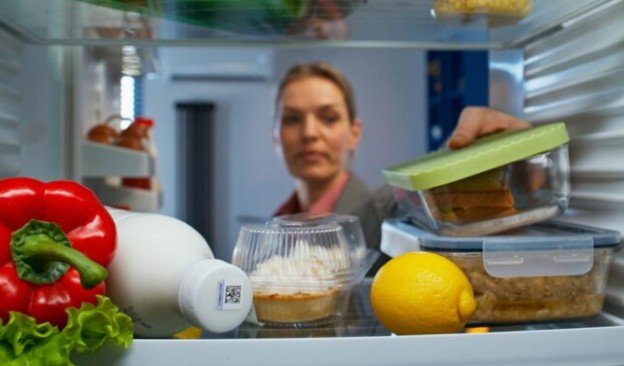
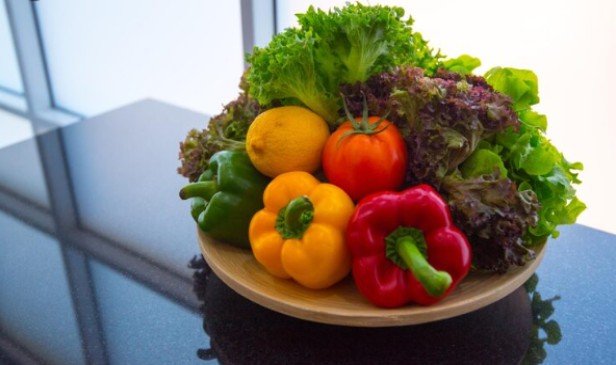
One of the best kitchen changes is making produce easier to use. Wash fruit after shopping, place it where you can see it, and keep cut vegetables in clear containers. Carrot sticks, cucumber slices, celery, cherry tomatoes, and bell pepper strips are much more likely to be eaten when they are ready.
Do not ignore frozen and canned options. Frozen vegetables can be added directly to soups, stir-fries, eggs, and casseroles. Canned beans, corn, tomatoes, and vegetables can work well too, especially when you choose lower-sodium options or rinse them before cooking. This keeps healthy meals realistic even when fresh groceries are running low.
Plan Meals Before You Shop
Meal planning does not have to mean cooking every meal in advance. Even a simple plan for three or four dinners can prevent last-minute fast food decisions. Before shopping, think about your week. Choose a few proteins, two or three vegetables, one or two grains, and a couple of easy breakfast or lunch options.
A practical shopping list might include eggs, oats, Greek yogurt, berries, salad greens, chicken, black beans, brown rice, tortillas, frozen vegetables, and fruit. With these basics, you can make breakfast bowls, wraps, grain bowls, salads, tacos, soups, and quick dinners without starting from zero.
Use Healthier Cooking Methods
How you cook matters as much as what you cook. Baking, roasting, steaming, grilling, sautéing with less oil, and air frying can help you create flavorful meals without deep frying. Roasting vegetables with a small amount of oil, garlic, pepper, and herbs can make them taste rich and satisfying.
Instead of coating foods in heavy sauces, use citrus juice, vinegar, spices, fresh herbs, mustard, salsa, yogurt-based dressings, or homemade marinades. These add flavor without relying too much on sugar, salt, or saturated fat.
Make Smart Swaps Without Losing Flavor

Healthy eating becomes easier when you make small swaps instead of changing everything at once. Use whole grain bread instead of white bread. Choose brown rice or quinoa instead of refined grains. Try Greek yogurt instead of sour cream. Use mashed avocado, hummus, or mustard instead of heavy spreads.
For drinks, keep water, sparkling water, unsweetened tea, or fruit-infused water available. Sugary drinks can add a lot of extra calories without making you feel full. For snacks, keep nuts, fruit, yogurt, popcorn, boiled eggs, and vegetables with hummus ready instead of relying only on chips, cookies, or candy.
Prep Once and Eat Better All Week
Meal prep works best when it is simple. You do not need rows of identical containers. Cook one grain, one protein, and one tray of vegetables. That gives you flexible meal parts for bowls, wraps, salads, soups, and quick dinners.
You can also boil eggs, wash greens, chop onions, cook lentils, portion nuts, or freeze leftovers. When healthy ingredients are ready, cooking feels less like a chore. This is especially helpful for families, office lunches, and weeknights when everyone is tired.
Organize Your Pantry for Better Choices
Your kitchen layout can quietly influence what you eat. Keep healthier foods at eye level and place less nutritious snacks out of immediate reach. Use clear containers for oats, nuts, seeds, whole grains, and dried fruit. Keep canned beans, tuna, tomatoes, and broth grouped together so quick meals are easier to build.
Build Balanced Plates at Home
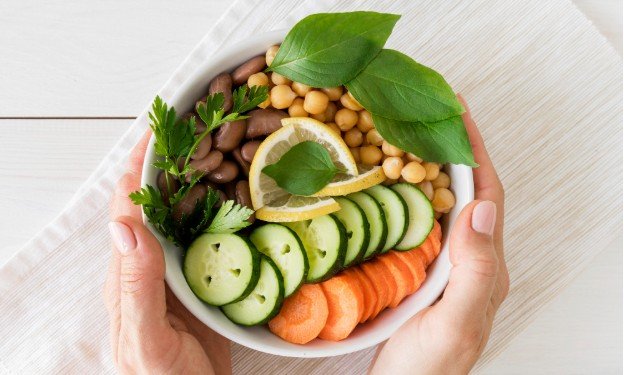
A balanced plate is one of the easiest ways to make healthier meals. Fill half the plate with vegetables or fruit, one quarter with protein, and one quarter with whole grains or starchy vegetables. Add a small amount of healthy fat from olive oil, nuts, seeds, or avocado.
This method works for many meals. A dinner plate could include grilled chicken, roasted broccoli, brown rice, and avocado. A vegetarian version could include black beans, quinoa, sautéed peppers, salsa, and salad. The point is balance, not perfection.
Common Kitchen Mistakes That Make Healthy Eating Harder
Many people buy healthy food but do not make it easy to use. Produce gets buried in drawers, leftovers are not labeled, and meal ingredients are scattered. Another common mistake is skipping protein at breakfast or lunch, which can lead to cravings later.
It is also easy to depend on bottled sauces, processed meats, sweetened cereals, and salty frozen meals. These foods are convenient, but using them too often can make healthy eating harder. A better approach is to keep quick whole grains options ready so convenience still works in your favor.
Frequently Asked Questions
1. What are the best Kitchen Tips for Healthy Eating?
The best tips are to stock nutritious staples, keep produce visible, plan meals before shopping, prep simple ingredients, use healthier cooking methods, and organize your kitchen so better choices are easier to reach.
2. How can I make my kitchen healthier?
Start by cleaning out expired foods, moving healthier snacks to eye level, adding more fruits and vegetables, choosing whole grains, and keeping simple proteins ready for fast meals.
3. What foods should I always keep in a healthy kitchen?
Useful staples include oats, eggs, Greek yogurt, beans, lentils, brown rice, frozen vegetables, fresh fruit, nuts, tuna, chicken, tofu, olive oil, herbs, spices, and whole grain bread.
4. How can I eat healthy when I am busy?
Keep meals simple. Prep a few ingredients in advance, use frozen vegetables, cook extra portions, and build quick meals from protein, vegetables, and whole grains.
5. What cooking methods are healthiest?
Steaming, baking, roasting, grilling, sautéing with less oil, and air frying are better everyday choices than deep frying. They keep meals flavorful while reducing excess fat.
Final Thoughts
I have learned that healthy eating feels much easier when the kitchen is prepared before hunger hits. A stocked fridge, a simple pantry, ready-to-use vegetables, and a few planned meals can change the way you eat all week. You do not need a perfect diet or complicated recipes. You need a kitchen that makes the better choice the easier choice. Start small, repeat what works, and let your everyday meals become healthier one habit at a time.