

How to Store Leftovers in the Right Way
Storing leftovers meant tossing food into any container and hoping it still looked fine the next day. Then I realized that small habits like cooling food correctly, using shallow containers, labeling meals, and reheating properly can make a big difference. How to Store Leftovers the Right Way is not just about saving dinner for tomorrow. It is about protecting your food, your budget, and your family from avoidable food safety problems.
Leftovers are part of everyday home cooking, especially after large dinners, meal prep days, holidays, takeout nights, and busy weeknight meals. But if food sits out too long or cools too slowly, bacteria can grow before you even notice a change in smell or taste. The good news is that safe leftover storage is simple once you know the right steps.
Why Leftover Storage Matters
Leftovers can help reduce food waste, stretch grocery spending, and make meals easier during a busy week. The problem starts when cooked food stays too long in the temperature danger zone, where bacteria can multiply quickly.
A safe leftover routine should answer five basic questions: how fast should food be cooled, what container should be used, where should it go in the fridge, how long can it stay there, and how should it be reheated? When all five are handled correctly, leftovers become convenient instead of risky.
Refrigerate Food Within the Safe Time Window
Cooked leftovers should not sit on the counter for hours. As a general rule, refrigerate leftovers within two hours after cooking. If the room is very hot, such as during a summer cookout or outdoor meal, food should be chilled sooner.
Do not wait for a big pot of soup, pasta, rice, or stew to cool completely at room temperature. That can keep the center warm for too long. Instead, divide large portions into smaller containers so they cool faster in the refrigerator.
Cool Leftovers in Shallow Containers
Shallow containers are one of the easiest ways to store leftovers safely. A deep container traps heat in the middle, while a shallow container spreads food out and helps it chill more evenly.
For soups, stews, chili, sauces, casseroles, rice, and pasta, split large amounts into smaller portions. This also makes reheating easier because you only warm what you plan to eat. Avoid stacking hot containers tightly in the fridge because cold air needs space to move around them. You can also avoid plastic while shopping and eating by choosing reusable bags, glass containers, stainless steel lunch boxes, and microwave-safe alternatives whenever possible.
Choose the Right Leftover Containers
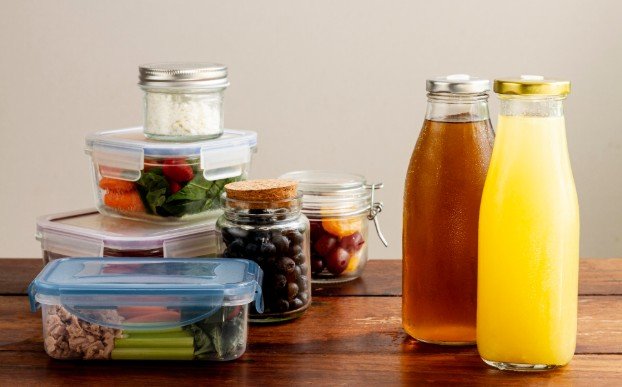
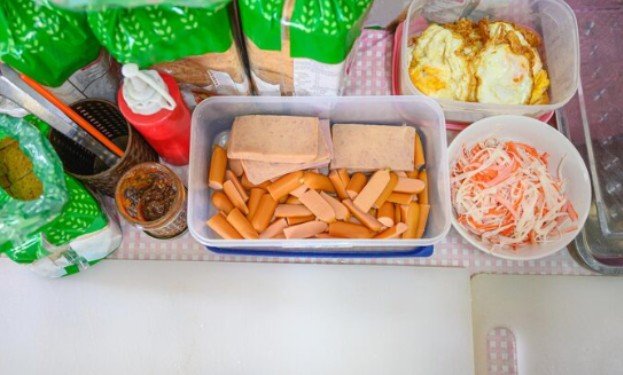
Airtight containers are best because they help protect food from drying out, absorbing fridge odors, and spilling. Glass containers are useful because they are sturdy, easy to clean, and often good for reheating. Food-safe plastic containers work well too, especially for packed lunches, but they should be clean, undamaged, and labeled as microwave-safe if used for reheating.
Freezer bags are helpful for soups, sauces, cooked vegetables, and portioned meals. Press out extra air before sealing to reduce freezer burn. For best results, use freezer-safe containers instead of thin bags or containers that crack in low temperatures.
Label Leftovers Before Storing
Labeling may seem unnecessary, but it prevents guessing later. Write the food name and storage date on tape, a label, or the container lid. This is especially helpful for meal prep, holiday leftovers, and freezer meals.
A container marked “chicken pasta, Monday” is easier to manage than one mysterious box at the back of the fridge. Labeling also helps you use older food first and reduce waste.
How Long Leftovers Last in the Fridge
Most cooked leftovers should be eaten within three to four days when stored properly in the refrigerator. This includes cooked meat, poultry, pasta, rice, casseroles, soups, stews, and cooked vegetables.
Some foods may spoil faster depending on ingredients. Creamy dishes, seafood, use substitutes for heavy cream, and cooked rice need extra care. Even if food looks normal, it may not always be safe after several days. Smell and appearance are useful clues, but they should not replace safe storage timelines.
When to Freeze Leftovers
If you know you will not eat leftovers within a few days, freeze them early. Freezing helps preserve food quality and gives you ready-made meals for later. Soups, stews, cooked chicken, casseroles, pasta sauces, chili, cooked grains, and many cooked vegetables freeze well.
For better texture, freeze food in meal-size portions. Let food cool safely, pack it in airtight freezer containers, remove excess air, and label it with the date. While frozen food can remain safe for a long time when kept at the correct temperature, quality is usually best when used within a few months.
Store Leftovers in the Right Fridge Spot
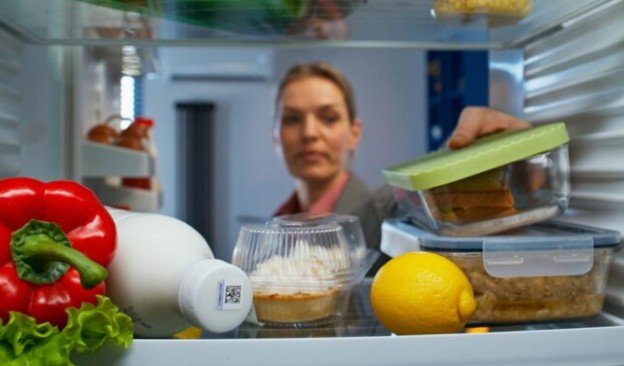
Leftovers should go on refrigerator shelves where the temperature is steady. Avoid storing cooked leftovers in the fridge door because the temperature changes often when the door opens.
Keep leftovers covered and away from raw meat, seafood, and poultry. Raw foods should be stored below ready-to-eat foods to prevent drips and cross-contamination. A clean, organized fridge makes leftover safety much easier.
Foods That Need Extra Care
Chicken, turkey, beef, and pork should be stored in shallow containers and reheated thoroughly. Soups and stews should be divided into smaller portions before chilling. Creamy sauces, dairy-based casseroles, seafood, and egg dishes should be eaten sooner and handled carefully.
Takeout leftovers also need attention. Transfer food into clean containers if the original packaging is not airtight or if it makes cooling difficult.
How to Reheat Leftovers Safely
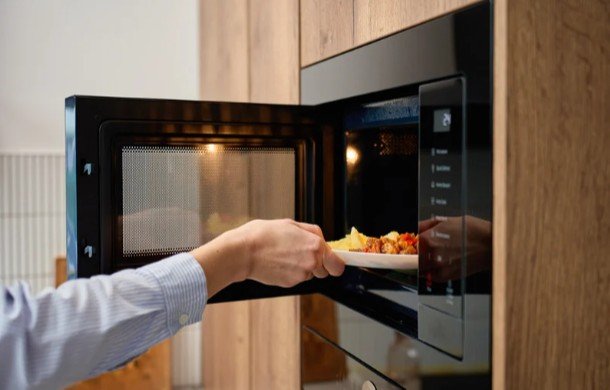
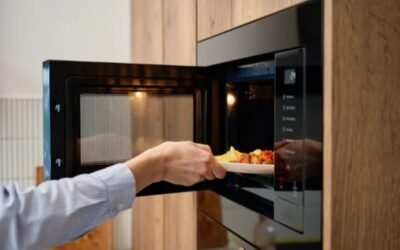
Reheat leftovers until they are steaming hot throughout. Stir soups, sauces, rice, and pasta halfway through reheating so the heat spreads evenly. When using a microwave, cover the food loosely, rotate or stir it, and let it stand briefly before eating.
Avoid reheating the same food again and again. Instead, reheat only the portion you plan to eat. This helps protect quality and reduces repeated temperature changes.
Signs Leftovers Should Be Thrown Away
Throw leftovers away if they smell sour, look slimy, show mold, have an unusual texture, or have been stored too long. Do not taste questionable food to decide if it is safe.
Also discard food if you cannot remember when it was cooked, if it sat out for several hours, or if the container was not sealed properly. When in doubt, it is safer to let it go than risk getting sick.
Frequently Asked Questions
1. Can I eat leftovers after five days?
It is safer to eat most refrigerated leftovers within three to four days. After five days, the risk of bacterial growth increases.
2. Can I put warm leftovers in the fridge?
Yes, but large portions should be divided into shallow containers first so they cool faster and more evenly.
3. What is the best container for leftovers?
Airtight glass or food-safe plastic containers work well. For freezing, use freezer-safe containers or bags with extra air removed.
4. Can I freeze leftovers after three days?
Yes, if they have been stored safely in the fridge, but freezing them earlier usually gives better quality.
5. Why is How to Store Leftovers the Right Way important?
It helps prevent foodborne illness, reduces waste, protects meal quality, and makes everyday cooking more practical.
Final Thoughts
I see leftovers differently now. They are not just extra food; they are future lunches, quick dinners, and grocery savings waiting to happen. When I follow a simple storage routine, I waste less and feel more confident about what I am serving again.
How to Store Leftovers the Right Way comes down to timing, containers, temperature, and common sense. Once those habits become automatic, keeping food fresh and safe becomes an easy part of everyday cooking.