Refrigerator Food Safety Tips Every Home Cook Needs
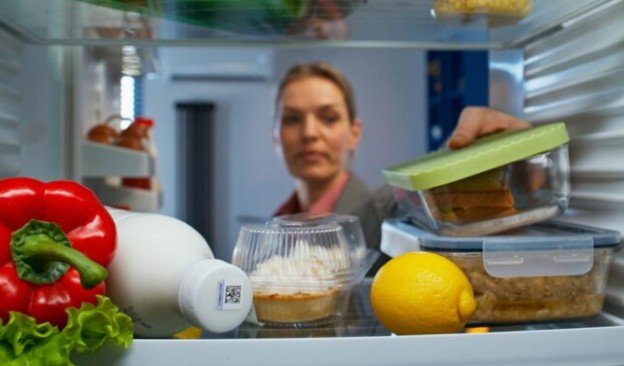
Refrigerator safety was mostly about putting food away before it looked spoiled. But once I started paying closer attention to leftovers, raw meat, dairy, and produce storage, I realized the fridge can either protect food or quietly create problems. Refrigerator Food Safety Tips Every Home Cook Needs are not just for professional kitchens. They matter in everyday homes where busy schedules, meal prep containers, grocery hauls, and half-used ingredients all compete for space.
A safe refrigerator keeps food cold, organized, covered, and separated. When those basics are ignored, bacteria can grow faster, raw juices can spread, and leftovers can stay around longer than they should. The good news is that a few simple habits can make your kitchen cleaner, safer, and less wasteful.
Why Refrigerator Food Safety Matters at Home
Refrigerators slow microbial contamination of food, but they do not stop it completely. That means food still needs proper temperature control, storage containers, shelf placement, and time limits. Home cooks often handle raw chicken, cooked meals, eggs, milk, deli meats, sauces, and produce in the same small space, so organization is a safety step, not just a neatness habit.
Foodborne illness often begins with small mistakes. A package of raw meat leaks onto salad greens. Leftovers sit too long before being chilled. Milk stays in the door where temperatures change often. These problems are common, but they are also easy to prevent.
Keep the Refrigerator at the Right Temperature
The most important refrigerator rule is temperature. Keep the fridge at 40°F or below and the freezer at 0°F. Many refrigerators have built-in settings, but those numbers are not always accurate, so a small appliance thermometer is worth keeping inside.
Place the thermometer near the middle of the fridge, not in the door. The door warms up every time it opens, while the middle shelves give a better picture of the actual storage temperature. If the fridge is often above 40°F, food may spoil faster and become unsafe sooner than expected.
Store Raw Meat on the Bottom Shelf
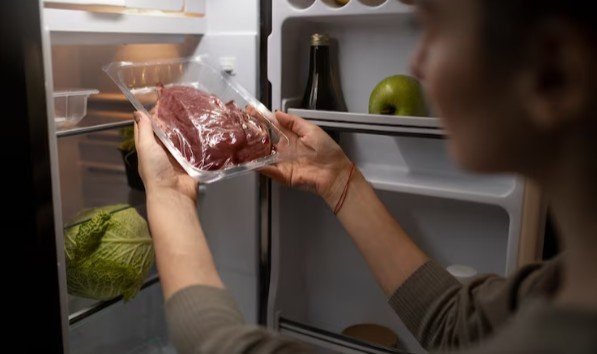
Raw meat, poultry, and seafood should always go on the bottom shelf. This prevents juices from dripping onto cooked foods, fruits, vegetables, or ready-to-eat items. Even vacuum packaging can leak, especially after a grocery trip or during thawing.
For extra protection, place raw meat in a tray, bowl, or sealed container. Keep it away from salads, berries, cheese, and cooked meals. If you plan to cook it within a day or two, the fridge is fine. If not, freezing is usually safer.
Use the Fridge Door Carefully
The refrigerator door is one of the warmest areas because it faces constant temperature changes. It is fine for condiments, bottled sauces, jams, pickles, and drinks, but it is not ideal for highly perishable foods.
Avoid storing eggs, milk, cream, raw meat, prepared meals, or leftovers in the door. These foods stay safer on interior shelves where the temperature is more stable. Eggs should remain in their original carton because the carton protects them and helps keep dates visible.
Cool Leftovers the Safe Way
Leftovers should be refrigerated within two hours after cooking. On very hot days or in warm kitchens, food should be chilled even faster. Large pots of soup, stew, pasta, or rice should not go into the fridge as one deep container because the center may stay warm too long.
Do Not Overload the Refrigerator
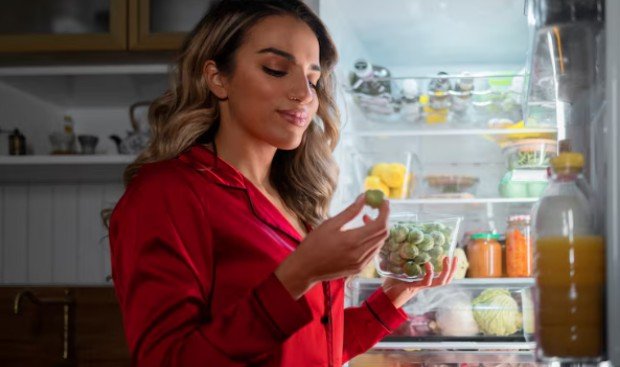
A packed fridge may look efficient, but overcrowding blocks cold air from moving properly. When air cannot circulate, some areas stay warmer than others. This can affect dairy, leftovers, meat, and meal prep containers.
Leave small gaps between items when possible. Avoid pushing food tightly against the back wall. Rotate older items toward the front so they are used first. This simple habit reduces waste and makes it easier to spot food before it goes bad.
Keep Food Covered and Labeled
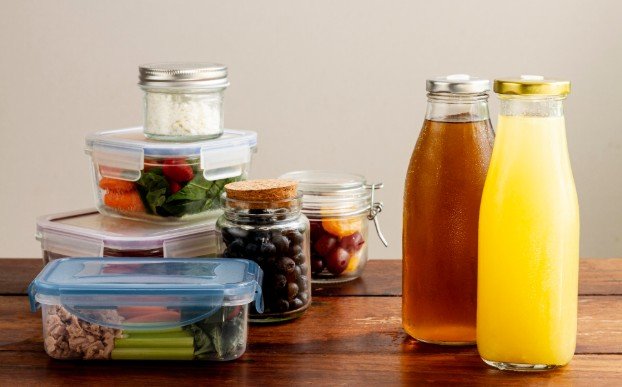
Uncovered food can dry out, absorb odors, or become contaminated by drips and spills. Use airtight containers, covered bowls, resealable bags, or food wrap. Clear containers are helpful because you can see what needs to be eaten first.
Labeling is especially useful for leftovers, cooked grains, sauces, chopped produce, and meal prep. A simple date on the lid can prevent guessing. When in doubt, throw it out. Smell and appearance are not always reliable signs of safety.
Use Crisper Drawers the Right Way
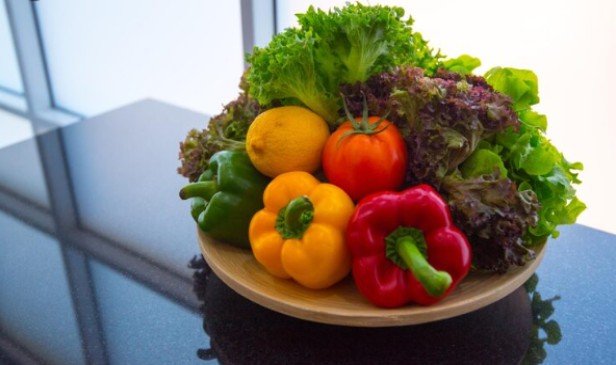
Crisper drawers help fruits and vegetables stay fresh, but they should not become forgotten storage zones. Keep produce clean, dry, and separated when needed. Some fruits release ethylene gas, which can make nearby vegetables spoil faster.
Leafy greens, herbs, carrots, celery, berries, apples, and peppers all need slightly different storage conditions, but one rule applies to all: remove spoiled pieces quickly. One moldy berry or slimy leaf can speed up spoilage in the rest of the container.
Know What Not to Refrigerate Together
Food safety is not only about cold storage. It is also about separation. Keep raw foods away from ready-to-eat foods. Do not store uncovered cooked meals below raw meat. Keep strong-smelling foods tightly sealed so they do not affect dairy or desserts.
Meal prep containers should be cooled, sealed, and stored by date. If you prepare lunches for the week, place the earliest meals toward the front. This makes it easier to follow a first-in, first-out system.
Clean the Refrigerator Every Week
A clean refrigerator helps prevent odor, mold, and cross-contamination. Wipe spills as soon as they happen, especially meat juices, egg leaks, or sticky sauces. Once a week, check leftovers, expired dairy, wilted produce, and old condiments.
Remove drawers when needed and wash them with warm, soapy water. Dry them before placing produce back inside. A clean fridge also makes grocery planning easier because you can see what you already have before buying more.
Refrigerator Food Safety Mistakes to Avoid
One common mistake is assuming cold food lasts forever. It does not. Another is trusting smell alone. Some unsafe food may not smell bad. Many home cooks also place milk in the door, leave leftovers uncovered, or thaw meat above fresh produce.
Another mistake is putting hot food into one large container and expecting it to cool quickly. It is better to divide it into smaller containers first. These small changes are what make Refrigerator Food Safety Tips Every Home Cook Needs useful for daily cooking, not just occasional deep cleaning.
Frequently Asked Questions
1. What temperature should my refrigerator be?
Your refrigerator should stay at 40°F or below, and your freezer should stay at 0°F.
2. How long can leftovers stay in the fridge?
Most leftovers are best used within three to four days when stored in covered, shallow containers.
3. Where should raw chicken go in the refrigerator?
Raw chicken should go on the bottom shelf in a sealed container or tray to prevent dripping.
4. Why are Refrigerator Food Safety Tips Every Home Cook Needs important?
They help prevent spoilage, cross-contamination, and unsafe leftovers while keeping everyday meals fresher.
Final Thoughts
I have found that food safety feels much easier when the fridge has a clear system. Raw meat goes low, leftovers get dated, dairy stays inside the fridge, produce is checked often, and the door is saved for lower-risk items. These habits do not take much time, but they make a big difference in how safe and fresh food stays.
Refrigerator Food Safety Tips Every Home Cook Needs can help any home kitchen feel more organized, less wasteful, and safer for daily cooking. A better fridge setup means fewer mystery containers, fewer spoiled ingredients, and more confidence every time you cook.