



How to Store Spices Properly for Better Flavor
I decided to keep my spices right beside the stove because it felt practical. The jars looked nice, they were easy to grab, and I thought that was enough. Then I noticed my paprika looked dull, my cumin smelled flat, and my dried oregano barely changed the taste of my food.
That is when I learned How to Store Spices Properly for Better Flavor and realized that freshness depends less on fancy jars and more on protecting spices from heat, light, air, and moisture. For busy home kitchens, good spice storage is not about perfection. It is about making small changes that help your food taste brighter, your pantry feel cleaner, and your grocery money go further.
Why Spice Storage Matters More Than You Think
Spices do not usually spoil the way milk or fresh produce does, but they lose strength over time. That means an old jar of chili powder may still look usable, yet it may not bring the warmth, color, or aroma your recipe needs.
Most spices get their flavor from natural oils. When those oils are exposed to heat, sunlight, oxygen, or humidity, they fade faster. This is why the same recipe can taste bold one month and weak the next, even when you use the same amount of seasoning.
Good storage keeps those oils protected for longer. It also helps prevent clumping, fading, and waste. If you cook often, especially with spice-heavy meals like tacos, chili, roasted vegetables, barbecue rubs, soups, curries, or baked chicken, your storage setup can make a real difference.
The Best Place to Store Spices in Your Kitchen
The best place for spices is a cool, dry, dark area. A closed pantry, drawer, or cabinet away from the oven is usually ideal. If your kitchen has a deep drawer near your prep space but away from the stove, that can be even better because spices stay protected and easy to find.
Avoid storing spices above the stove, beside the oven, near the dishwasher, next to the sink, or on a sunny windowsill. These spots may look convenient, but they expose spices to heat, steam, moisture, and light. Over time, those conditions weaken flavor and shorten freshness.
A cabinet close to your cooking area is fine as long as it is not directly above a heat source. If you love open shelves, use them for pretty dishes, not your most-used spices.
Use Airtight Containers to Protect Flavor
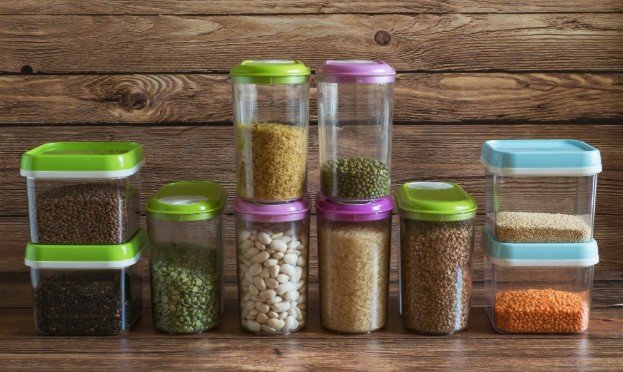
Airtight containers are one of the easiest upgrades for better spice storage. Loose packets, half-open bags, and jars with weak lids let air in, and air slowly dulls aroma. A tight-fitting lid helps preserve the smell and taste every time you open the jar.
Glass jars work well because they seal tightly and are easy to clean. Metal tins and ceramic containers can also be useful, especially when they block light. Clear jars are fine if they stay inside a drawer or cabinet. If they sit in bright light, darker or opaque containers are better.
Keep Spices Away From Heat, Light, Air, and Moisture
The four biggest enemies of spices are heat, light, air, and moisture. Heat weakens flavor oils. Light fades color. Air reduces aroma. Moisture causes clumping and can make dried herbs smell musty.
This is why shaking spice jars directly over a steaming pot is a bad habit. Steam can rise into the jar and add moisture. Instead, shake the spice into your palm, a spoon, or a small bowl first. Then add it to the dish.
Also, make sure lids are closed fully after every use. It sounds small, but a slightly loose lid can make spices lose aroma faster. If a jar no longer closes tightly, move the spice into a better container.
Should You Store Spices in the Fridge or Freezer?
For most everyday kitchens, the pantry or cabinet is better than the fridge. Refrigerators contain moisture, and moisture is not good for dried spices. Taking jars in and out of cold storage can also create condensation, which may affect texture and freshness.
The freezer can work for some whole spices if they are sealed extremely well, but it is not necessary for most home cooks. If you buy spices in normal amounts and use them regularly, a cool cabinet is simpler and safer.
The only time cold storage may make sense is when you buy a large amount of a spice you do not use often. Even then, keep it sealed in an airtight bag or container, and only remove what you need.
Whole Spices vs Ground Spices
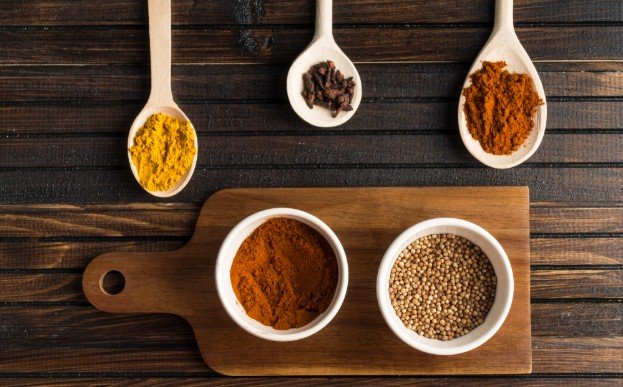
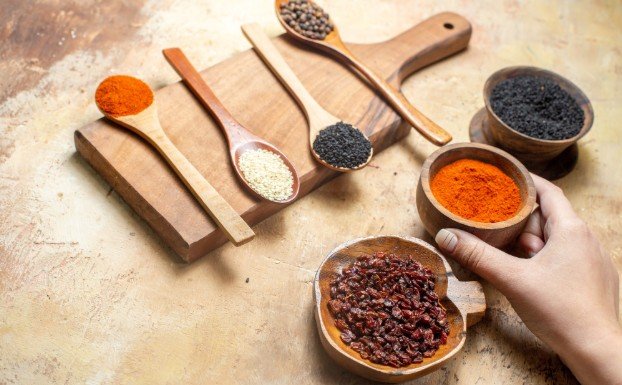
Whole spices usually last longer than ground spices because their flavor oils are protected inside the seed, pod, bark, or berry. Whole peppercorns, cinnamon sticks, cloves, cardamom pods, and cumin seeds can stay flavorful longer than their ground versions.
Ground spices are convenient, but they have more surface area exposed to air. That means they lose aroma faster. If you want stronger flavor, buy some spices whole and grind small amounts when needed.
This is especially helpful for black pepper, cumin, coriander, nutmeg, and cloves. You do not need to do this for every spice, but even a few whole spices can make your cooking taste fresher.
How Long Do Spices Stay Fresh?
Ground spices usually taste best within 6 to 12 months after opening. Dried herbs often lose strength faster because their delicate leaves fade quickly. Whole spices can stay flavorful longer, sometimes up to two years or more when stored properly.
The date on the jar is helpful, but your senses are more reliable. Color, smell, and taste tell you more than the printed label. A bright red paprika that smells sweet and smoky is useful. A faded, dusty-smelling paprika is probably past its best.
Buying smaller amounts is often smarter than buying large bottles. Large jars may seem like a better deal, but not if half the spice goes stale before you use it.
How to Tell If Spices Have Lost Their Flavor
Use the smell test first. Open the jar and smell it. If the aroma is strong, warm, sharp, sweet, earthy, or fresh, the spice is probably still useful. If it smells dusty, weak, or like nothing at all, it may not add much to your food.
You can also rub a pinch between your fingers. This releases oils and gives you a better idea of the spice’s strength. If the smell barely appears after rubbing, it is time to replace it.
Look at the color too. Dried herbs should still look greenish, not gray. Paprika, turmeric, and chili powder should still look bright. Faded color usually means faded flavor.
Spice Organization Tips That Prevent Waste
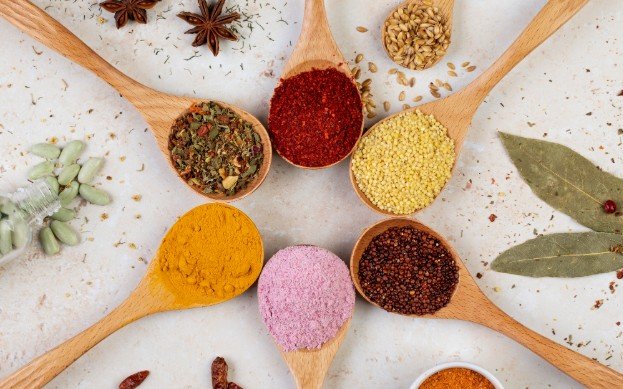
A good spice setup should make cooking easier. Keep everyday spices at eye level or in a drawer where you can see the labels. Group similar spices together, such as baking spices, savory herbs, barbecue seasonings, and global blends.
Use risers, drawer inserts, lazy Susans, or small bins if they help you see what you own. The goal is not to create a perfect social media pantry. The goal is to stop buying duplicate jars and stop forgetting spices in the back of a cabinet.
Place older jars toward the front and newer refills behind them. This simple habit helps you use spices before they fade.
Common Spice Storage Mistakes to Avoid
The most common mistake is keeping spices near the stove. The second is leaving them in loose bags or original packets without a tight seal. Another mistake is buying oversized containers of spices you rarely use.
Do not store spices near steam, do not use wet measuring spoons inside jars, and do not keep old spices just because the bottle is still half full. If a spice has no aroma, it has little value in your cooking.
Frequently Asked Questions
1. What is the best way to store spices?
Store spices in airtight containers inside a cool, dry, dark cabinet or drawer away from heat, sunlight, and steam.
2. Should spices be stored in glass or plastic?
Glass is a great choice because it seals well and does not hold odors, but any clean airtight container can work.
3. Do spices expire or just lose flavor?
Most dried spices lose flavor before they become unsafe, so aroma and color are better freshness clues than the date alone.
4. How to Store Spices Properly for Better Flavor in a small kitchen?
Use a drawer, closed cabinet, or compact pantry bin away from the stove, sink, dishwasher, and direct sunlight.
Final Thoughts
Once I stopped treating spices like decoration and started storing them like flavor ingredients, my cooking improved quickly. My soups tasted deeper, roasted vegetables smelled better, and weeknight dinners needed less fixing at the end.
You do not need a luxury pantry to keep spices fresh. You only need airtight jars, smart placement, clear labels, and the habit of protecting them from heat, light, air, and moisture. When your spices stay fresh, everyday meals taste richer without extra effort.