
How to Organize Kitchen Cabinets Without Wasting Space
I used to think messy cabinets were just part of having a busy kitchen. Then I realized the real problem was not the number of cabinets I had, but how I was using them. When plates, pans, snacks, spices, containers, and cleaning supplies all compete for space, even a good kitchen can feel frustrating.
How to Organize Kitchen Cabinets is really about building a system that matches your daily routine, not creating a picture-perfect setup that falls apart after two days.
A well-organized cabinet setup saves time, reduces food waste, makes cooking easier, and helps every shelf work harder. Whether you live in a house, apartment, rental, or small condo, the right method can make your kitchen feel cleaner and more functional.
Why Kitchen Cabinets Get Messy So Fast
Kitchen cabinets usually become messy because items do not have clear homes. Coffee mugs end up beside baking pans. Snacks get pushed behind cereal boxes. Lids separate from containers. Cleaning sprays sit too close to food. Over time, the cabinet becomes a storage dump instead of a useful kitchen zone.
Another common issue is keeping too many duplicates. Extra mugs, mismatched containers, expired spices, old pantry items, and rarely used gadgets take up valuable space. Before buying organizers, the first step is to remove what no longer serves your kitchen.
Step 1: Empty, Clean, and Declutter Every Cabinet
Start by taking everything out of one cabinet at a time. Do not empty the entire kitchen at once unless you have a full day to finish. Wipe each shelf, check expiration dates, and group similar items together on the counter.
Keep only what you use, love, or truly need. Donate extra dishes, toss expired food, recycle containers without lids, and move rarely used appliances to a higher shelf or storage area. This simple step creates instant space before you spend money on bins or racks.
Step 2: Group Items by Daily Use
After decluttering, sort everything by category. Keep dishes with dishes, glasses with glasses, baking tools with baking tools, and pantry items with pantry items. This makes it easier to see how much space each group needs.
Daily-use items should go in the easiest cabinets to reach. Special occasion plates, seasonal serving bowls, and large appliances can go higher or farther away. The goal is to make your kitchen support your real life, especially during busy mornings, lunch packing, and quick dinners.
How to Organize Kitchen Cabinets by Zones
The smartest kitchens use zones. Place items close to where you use them. Store pots, pans, and cooking oils near the stove. Keep plates, bowls, and glasses near the dishwasher or sink. Put mugs, coffee, filters, and sweeteners near the coffee maker.
Store pots, pans, cooking oils, and everyday seasonings near the stove so your cooking zone stays practical for simple meals that use cooking techniques for healthier meals.
Create a snack zone if you have kids or pack lunches often. Use one shelf or bin for granola bars, crackers, nuts, and lunchbox items. A breakfast zone can hold cereal, oats, spreads, and smoothie supplies. When each cabinet has a job, the whole kitchen becomes easier to manage.
Best Way to Store Dishes and Glasses
Place everyday plates and bowls on lower or middle shelves. Stack similar sizes together, but avoid stacking too high because it becomes hard to grab what you need. Shelf risers are useful because they create a second level inside tall cabinets.
Glasses should be near the sink, fridge, or dishwasher. Keep daily glasses in front and special drinkware higher up. If you have open shelving or glass-front cabinets, use matching rows for a cleaner look without making the space feel staged.
How to Organize Pots, Pans, and Lids
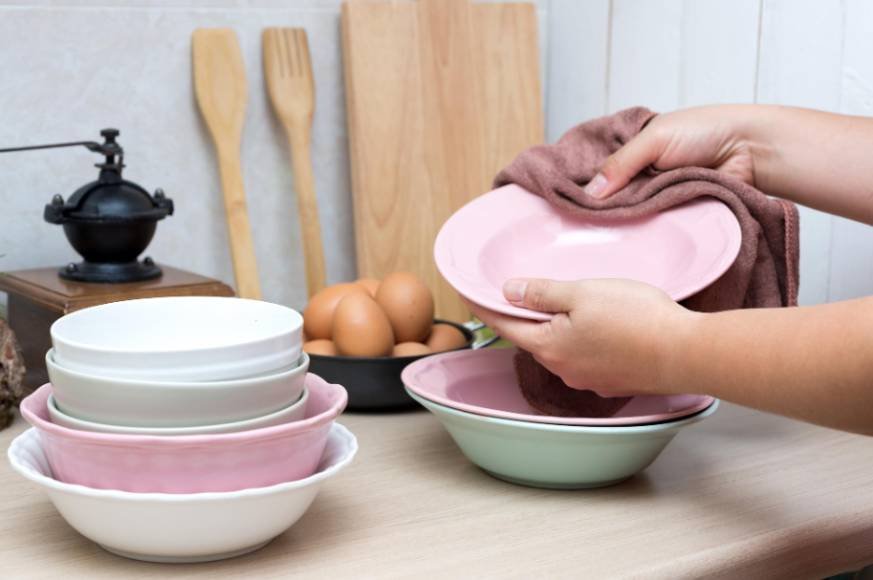
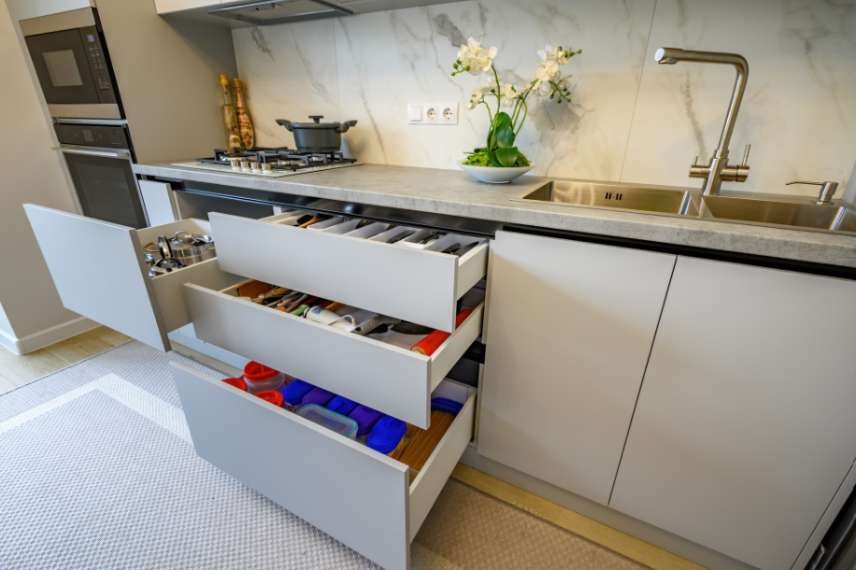
Pots and pans need strong, accessible storage. Keep heavy cookware in lower cabinets so you do not lift it over your head. Stack pans by size, or use a vertical rack if your cabinet has enough height.
Lids are often the biggest problem. Store them in a lid rack, file organizer, tension rod setup, or shallow bin. Keep each lid close to the pan it belongs with. If you have a corner cabinet, use a lazy Susan or pull-out shelf so deep space does not become a black hole.
How to Store Food Containers Without the Chaos
Food storage containers can ruin a cabinet fast. Start by matching every container with its lid. Recycle warped, stained, cracked, or lidless pieces. Then stack containers by shape and store lids vertically in a small bin.
Square and rectangular containers save more space than round ones. If you meal prep often, keep your most-used containers in a front cabinet. Extra containers for holidays or batch cooking can go higher.
Organizing Spices, Snacks, and Pantry Items
Spices work best when you can see every label. Use a tiered spice rack, drawer insert, lazy Susan, or narrow pull-out organizer. Keep everyday spices near the stove, but avoid placing them directly above heat if the cabinet gets warm.
For snacks and pantry items, clear bins make categories easy to manage. Use separate bins for baking, breakfast, pasta, canned goods, and lunchbox snacks. Labels are helpful, but they should be simple. The system should be easy enough for everyone in the home to follow.
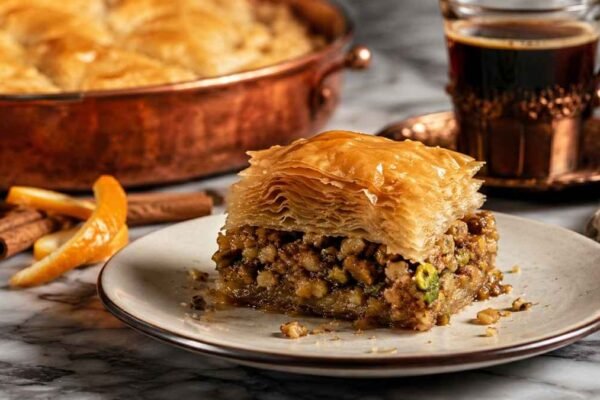
A dedicated baking bin can also keep dessert essentials together, especially when you want quick access to ingredients for recipes like fillo dough baklava recipe.
How to Organize the Cabinet Under the Sink
The cabinet under the sink should be treated carefully because pipes, moisture, and cleaning supplies share the same space. Use waterproof bins to separate dish soap, dishwasher pods, trash bags, sponges, and cleaning sprays.
Avoid storing food, paper towels in damp areas, or too many harsh products here. If you have children or pets, use safety locks and place risky items out of reach. A small tension rod can hold spray bottles, while stackable bins can use vertical space.
Best Cabinet Organizers Worth Buying
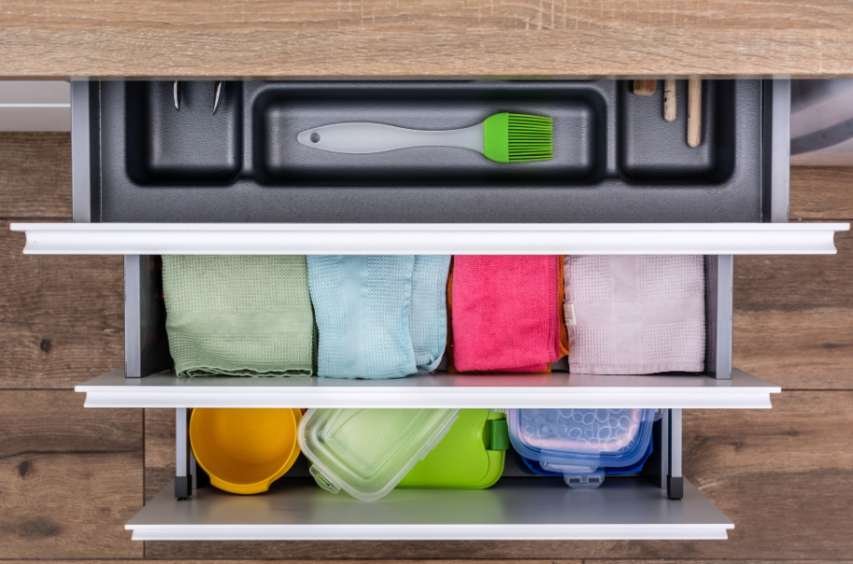
You do not need expensive custom cabinets to create order. Start with affordable tools that solve specific problems. Shelf risers help with plates and mugs. Lazy Susans work for oils, sauces, spices, and corner cabinets. Clear bins organize snacks and pantry items.
Drawer dividers control utensils. Pull-out shelves help deep lower cabinets. Stick-on hooks can hold measuring spoons, small towels, or lightweight tools inside cabinet doors. Measure every cabinet before buying anything. A beautiful organizer is useless if it does not fit.
How to Keep Cabinets Organized Long-Term
A good system needs small resets. Spend ten minutes each week putting items back in the right zones. Once a month, check snacks, spices, and pantry goods for expired items. Every season, review mugs, containers, appliances, and serving pieces.
Cabinet organization should make cooking feel easier, not stricter. When the layout supports your habits, it becomes much easier to keep clean.
Frequently Asked Questions
1. How often should I reorganize kitchen cabinets?
Most kitchens need a light weekly reset and a deeper review every three to four months. If your household cooks daily, snacks often, or meal preps, you may need to adjust cabinet zones more often. How to Organize Kitchen Cabinets successfully depends on maintaining the system after the first big cleanup.
2. What should go in upper kitchen cabinets?
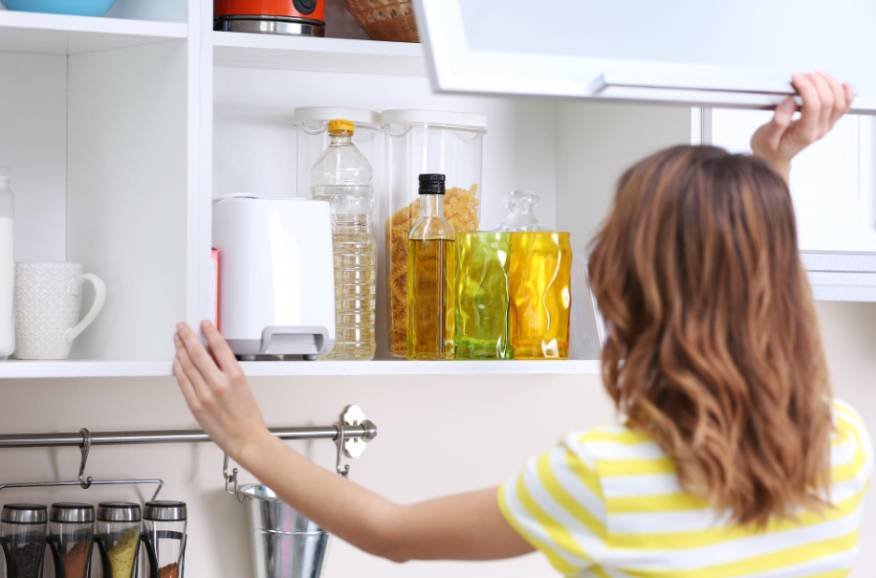
Upper cabinets are best for dishes, glasses, mugs, lightweight pantry items, spices, and daily cooking essentials. Keep the most-used items at eye level. Store fragile or occasional pieces higher if they are not needed every day.
3. What should go in lower kitchen cabinets?
Lower cabinets work best for heavy items like pots, pans, mixing bowls, appliances, baking dishes, and food storage containers. This keeps lifting safer and makes bulky items easier to access.
4. Are cabinet organizers worth it?
Yes, but only when they solve a real problem. Shelf risers, lazy Susans, clear bins, lid racks, and pull-out shelves can make cabinets easier to use. Measure first and buy only what fits your actual space.
Final Thoughts
I believe the best kitchen cabinet system is the one you can maintain on a normal busy day. It does not have to look like a magazine photo to work well. It just needs clear zones, fewer duplicates, smart storage tools, and easy access to the things you use most.
Once every item has a purpose and a home, the kitchen feels calmer. Cooking becomes faster, cleanup feels lighter, and small cabinets start working like bigger ones.