
Turkish Wood Fire Food Culture: Smoky Secrets for US Cooks
Turkish Wood Fire Food Culture is not just about cooking over flames. It is about smoke, stone, embers, bread, lamb, family tables, and centuries of food traditions shaped by Anatolia, Central Asia, the Middle East, the Balkans, and the Mediterranean.
For US home cooks, this style of cooking feels exciting because it turns familiar backyard tools like pizza ovens, grills, cast iron pans, Dutch ovens, and baking stones into something far more flavorful.
When I think about Turkish wood-fire cooking, or odun ateşi, I think about food that tastes alive. Pide comes out blistered and smoky. Kebabs stay juicy over glowing embers. Eggplants collapse into soft, smoky flesh. Clay pots cook slowly until meat, tomatoes, peppers, and onions become rich and comforting.
What Is Turkish Wood-Fire Cooking in Turkish Food Culture?
Turkish wood-fire cooking is the traditional use of wood-fired ovens, charcoal grills, embers, clay ovens, and iron griddles to cook bread, meat, vegetables, stews, and communal meals. It is one of the strongest parts of Turkish food culture because fire is not only a heat source. It is a flavor builder.
This tradition connects old nomadic meat cooking with village bread ovens, Ottoman food habits, regional kebab culture, and neighborhood bakery life. Historically, many village homes did not have large private ovens.
Families prepared dough, clay pots, or trays at home and carried them to a local wood-fired bakery. After bread baked in the strong heat, casseroles and stews cooked slowly in the remaining warmth.
That habit shaped a food culture built around sharing. Bread, kebabs, meze, roasted vegetables, yogurt, pickles, and slow-cooked dishes often arrive together, not as isolated plates.
Why Do Turkish Cooks Prefer Embers Instead of Open Flame?
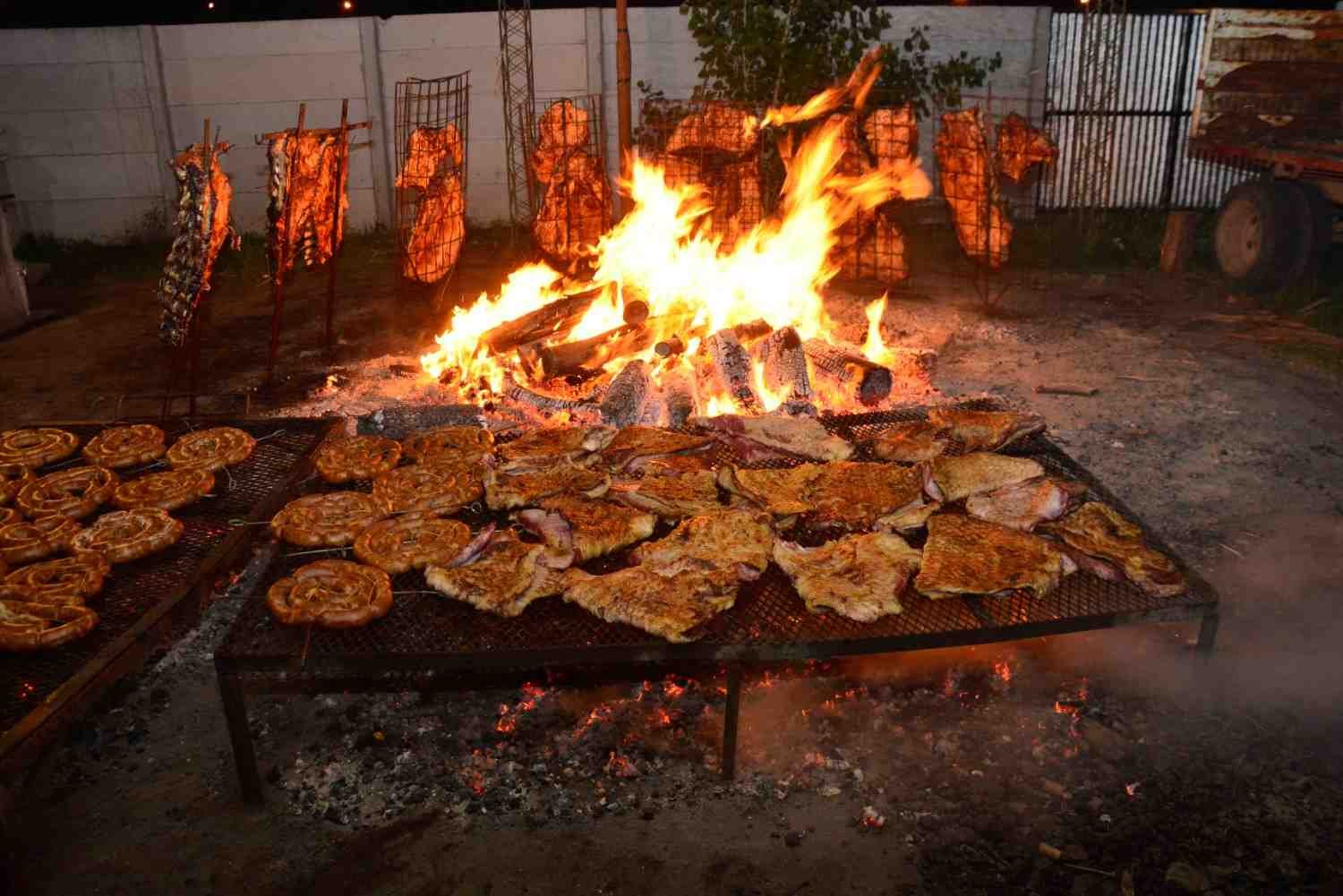
One of the biggest secrets in Turkish wood-fired cooking is that food rarely sits in wild open flame. Skilled cooks usually work over glowing embers, called köz, because embers give steady heat without burning the outside too quickly.
This matters for kebabs, lamb, vegetables, and flatbreads. Open flames can scorch meat before the inside cooks. Embers create controlled heat, cleaner smoke, and deeper flavor. The usta, or master chef, manages the fire zone with experience, ashes, airflow, and sometimes a simple fan. That control separates great wood-fired Turkish food from food that only tastes burnt.
For US cooks, this is an important lesson. Let hardwood burn down before grilling kebabs. Use coals, not tall flames. Let a pizza oven floor heat fully before baking pide or lahmacun. Turkish cooking rewards patience before the food ever touches the heat.
Traditional Turkish Wood-Fire Cooking Methods US Cooks Should Know
What Is Ocakbaşı Cooking?
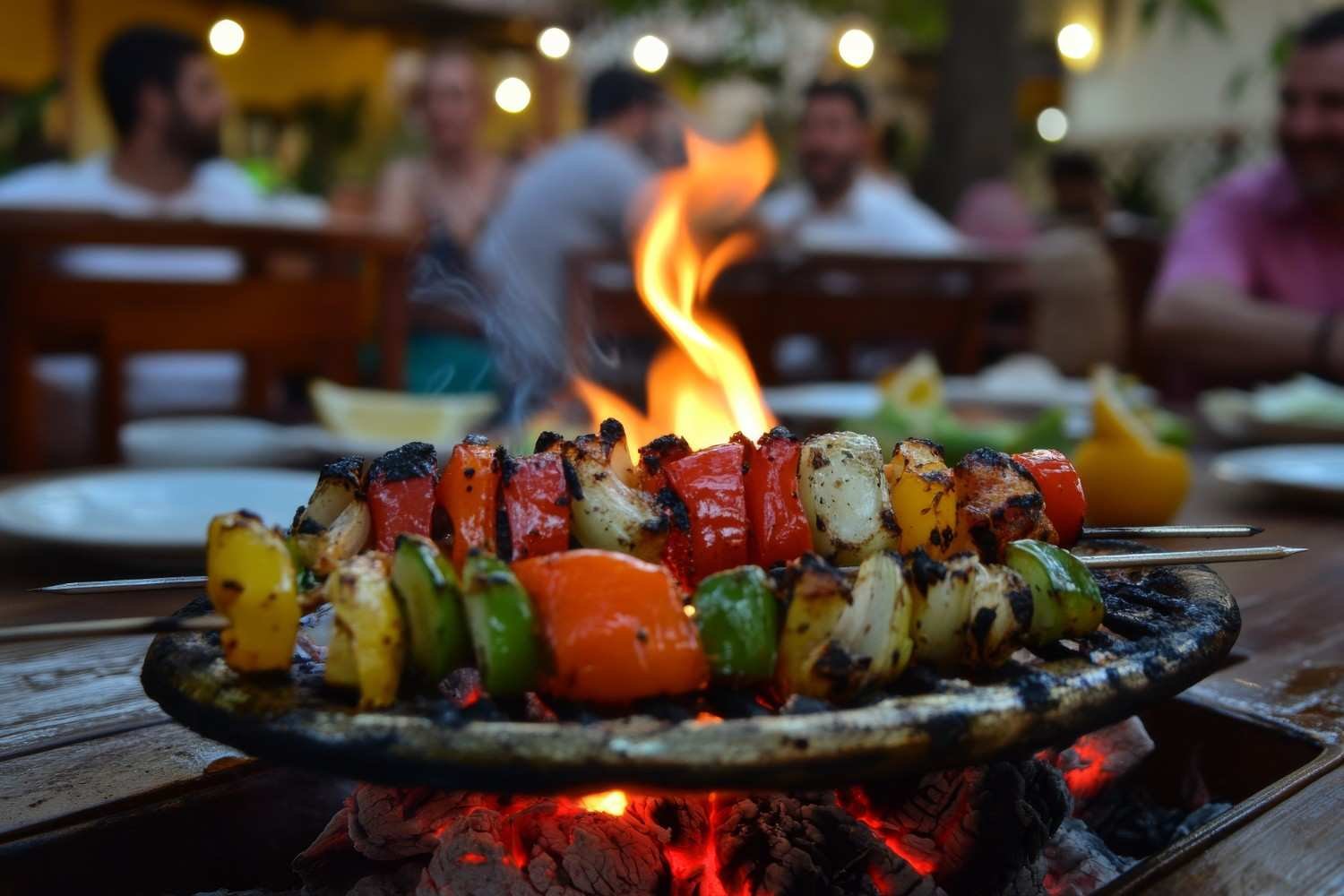
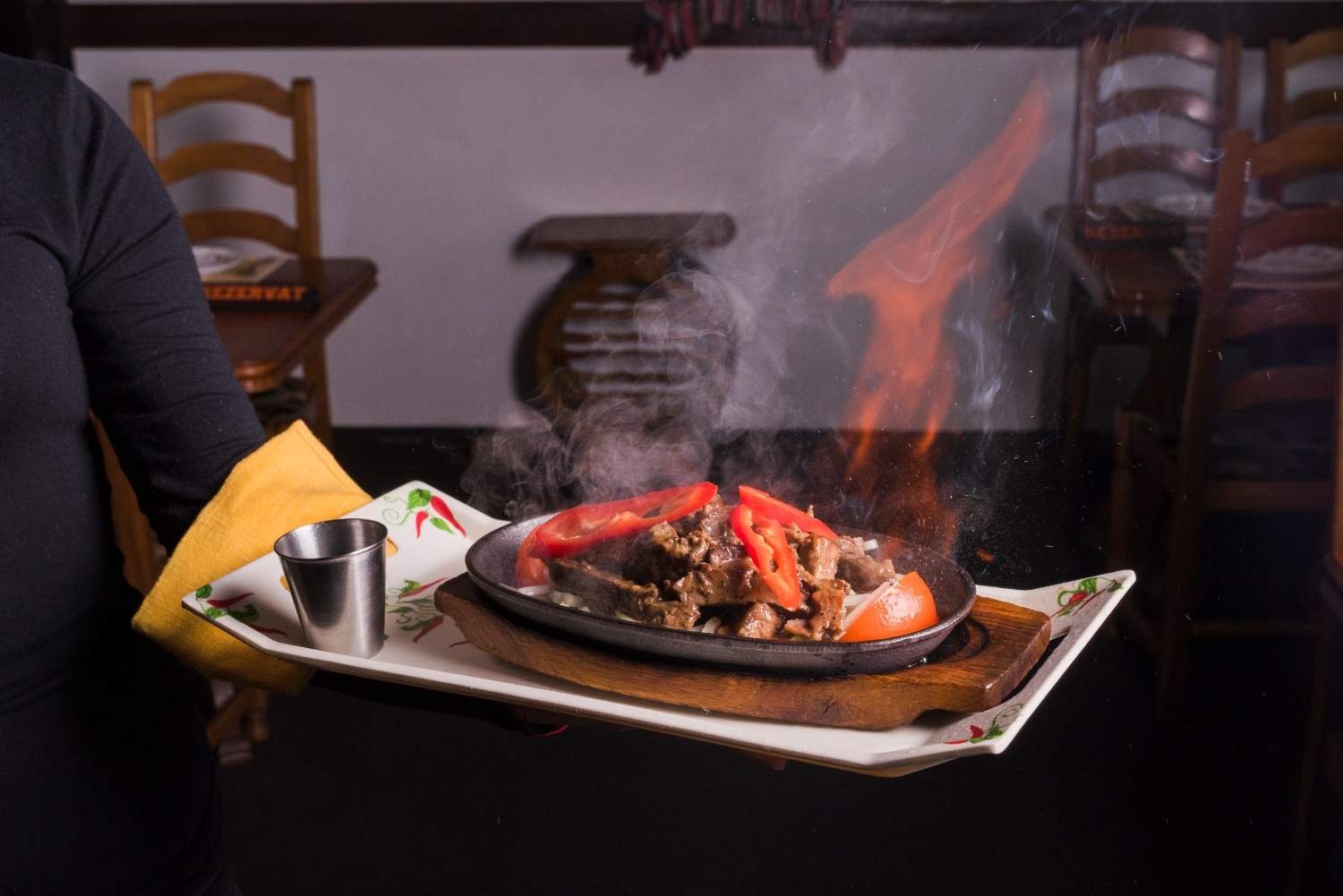
Ocakbaşı means fireside cooking, and it is one of the most social forms of Turkish dining. Diners often sit near a hooded charcoal grill while the chef cooks skewered meats in front of them. It is part restaurant, part performance, and part gathering ritual.
Adana kebab, Urfa kebab, lamb skewers, liver skewers, and grilled vegetables all fit this setting. The meal usually comes with lavash, onions, herbs, grilled tomatoes, peppers, meze, and sometimes rakı for adults.
For an American backyard version, a charcoal grill can create a similar mood, especially in the rivalry between charcoal and gas grills, when the food is cooked slowly over embers and served directly from the fire.
What Is Taş Fırın?
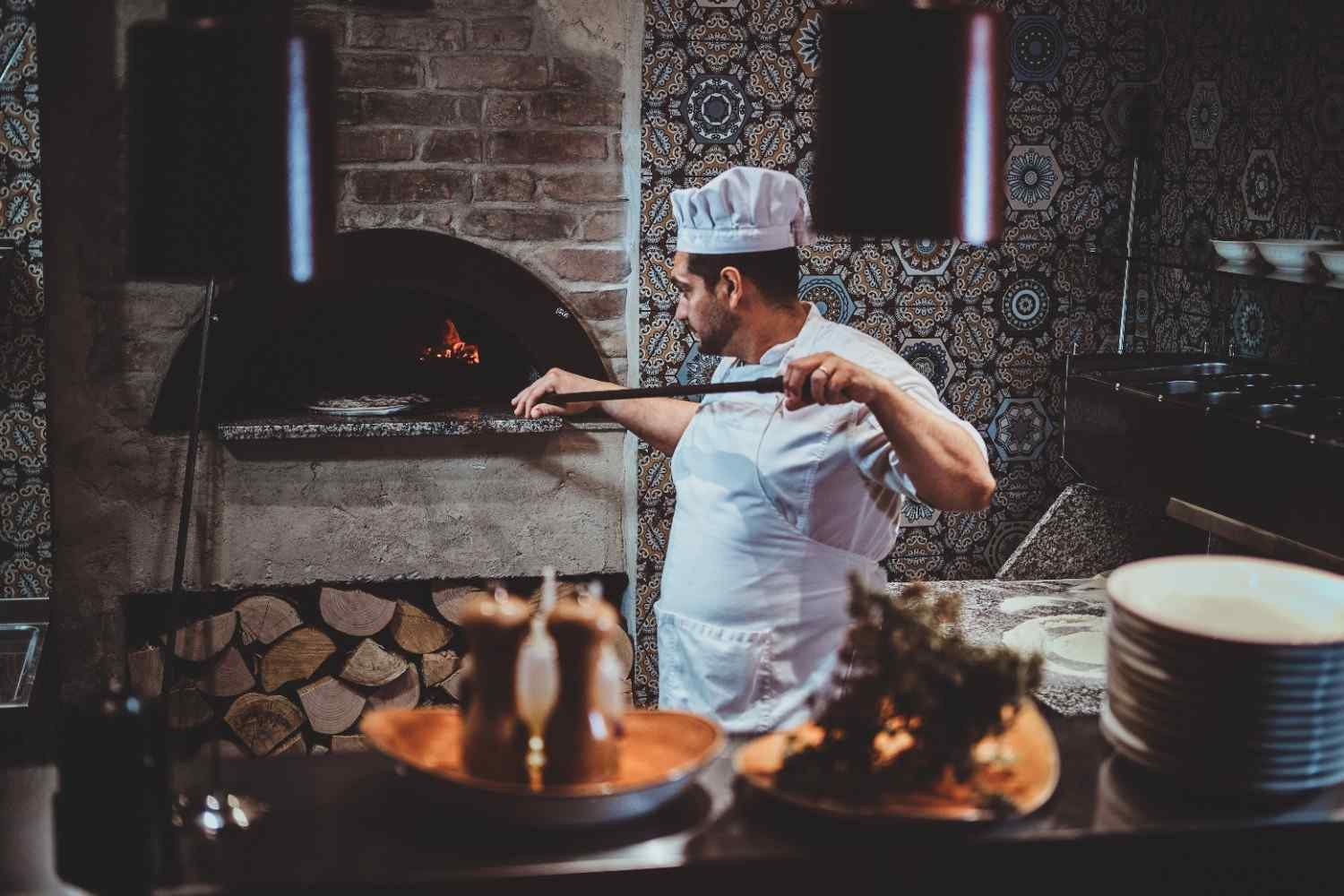
Taş fırın means stone oven. These domed brick or stone ovens can reach very high temperatures and are traditionally fueled with hardwood such as oak or olive wood. They are essential for pide, lahmacun, village bread, börek, tray kebabs, and clay-pot dishes.
The hot oven floor gives Turkish flatbreads their blistered crust. The dome reflects heat from above. The smoke adds aroma without overpowering the dough. This is why a backyard pizza oven is one of the best tools for US home cooks who want to recreate Turkish wood-fired oven recipes.
What Is Sac Cooking?
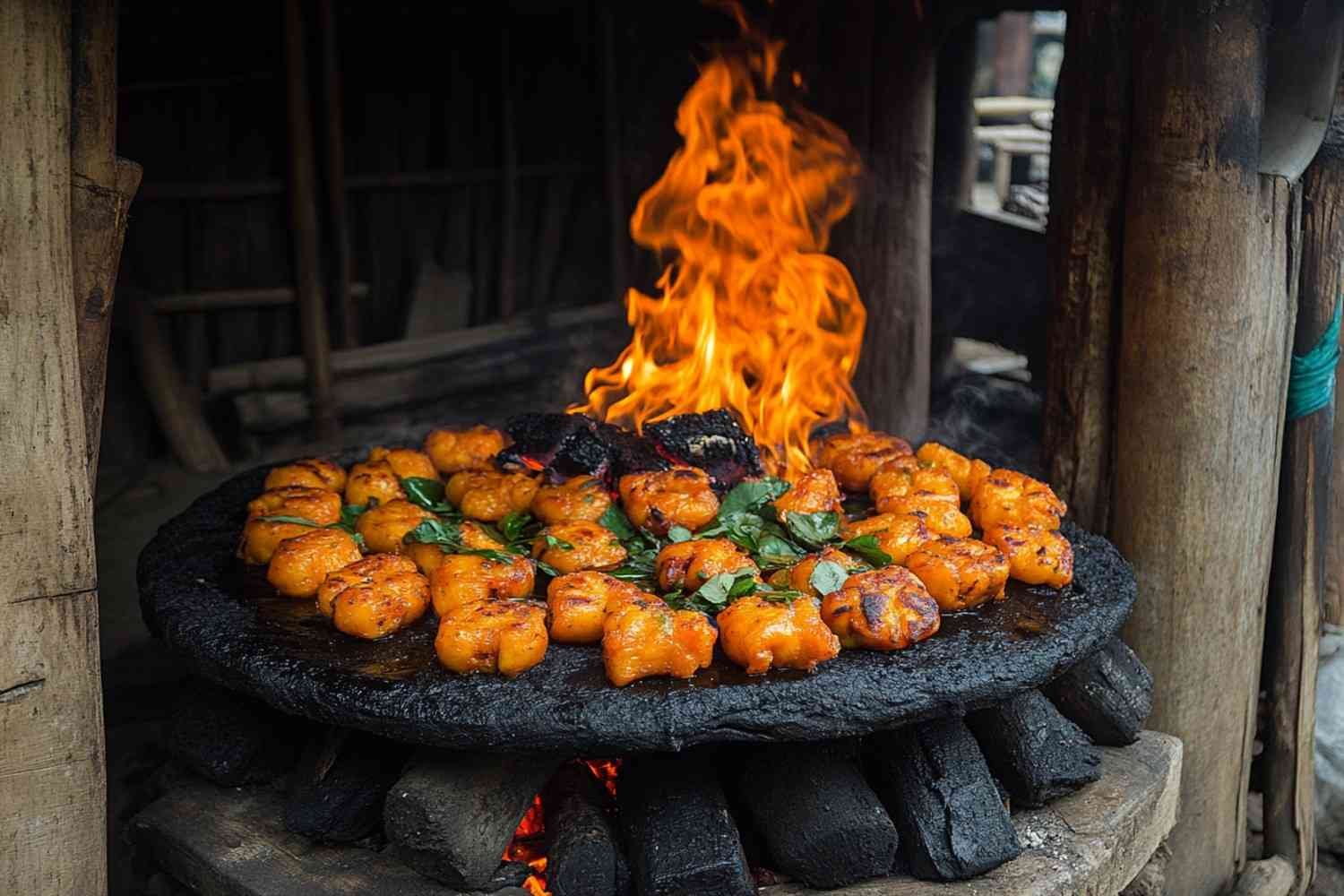
Sac cooking uses a convex iron griddle placed over wood fire or hot coals. Turkish cooks use it for thin flatbreads, gözleme, and quick-cooked diced meats. Because the surface is hot and wide, food cooks fast and develops browned edges.
At home in the US, a large cast iron griddle or wok-like pan can mimic some of this effect. It will not be exactly the same, but it can give flatbreads and small pieces of meat the quick sear that makes sac cooking so satisfying.
What Is Tandır Cooking?
Tandır is a clay pit oven used for slow-roasting lamb or baking bread against hot clay walls. Kuzu tandır, or slow-roasted lamb, becomes tender because the heat surrounds the meat gently for a long time. The result is rich, soft, and deeply savory.
US cooks can adapt this method with a Dutch oven, covered roasting pan, smoker, or low-temperature oven. The key is not speed. It is steady heat, moisture control, and enough time for the meat to relax and pull apart.
Best Turkish Wood-Fired Foods to Try at Home
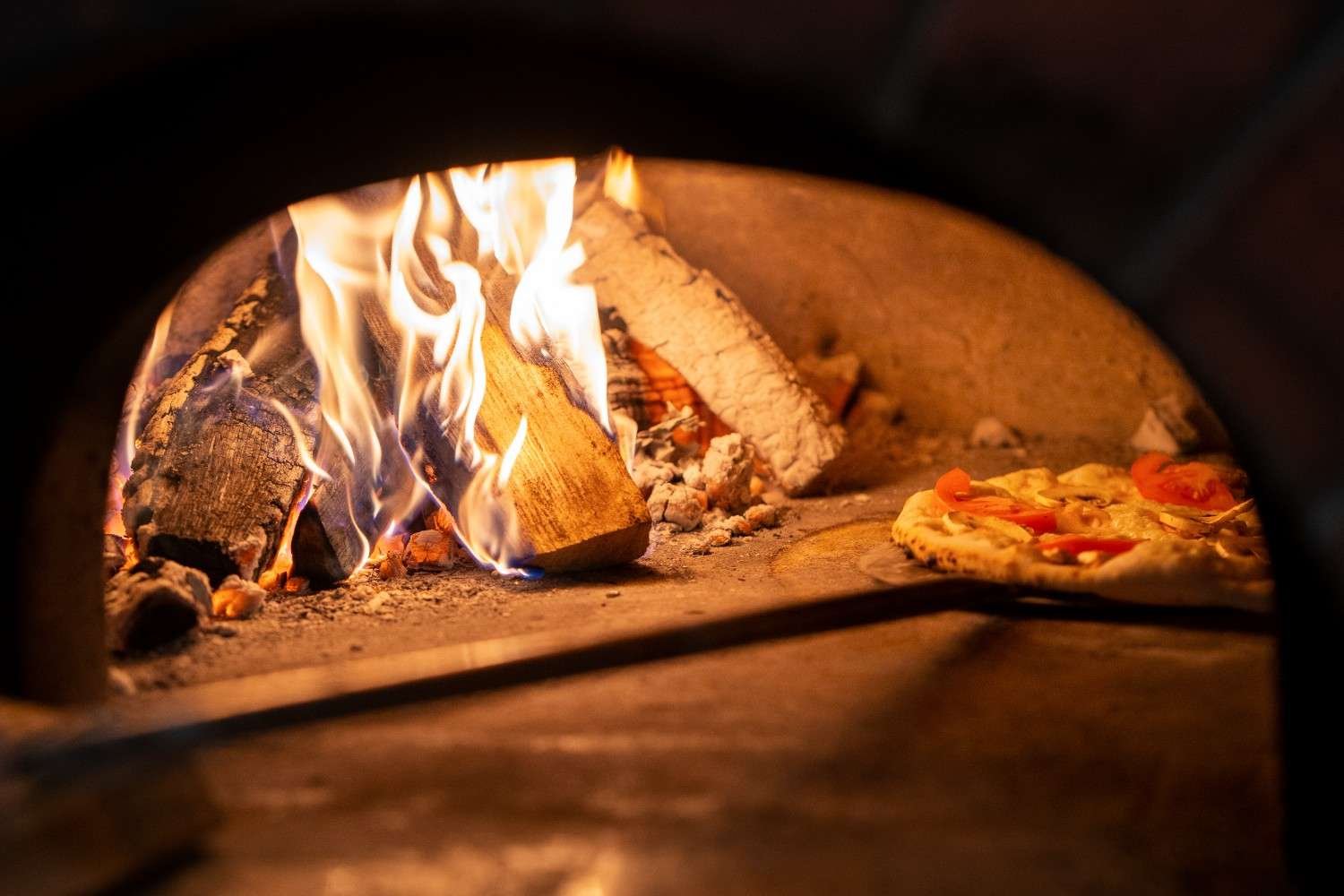
Pide and lahmacun are the best starting points for anyone with a backyard pizza oven. Pide is a boat-shaped Turkish flatbread filled with cheese, minced meat, spinach, egg, or lamb. Lahmacun is thinner and topped with minced meat, tomato, pepper, onion, herbs, and spices. Both need a hot surface and quick baking.
Kebabs are the next step. True Adana and Urfa kebabs use hand-minced meat mixed with fat, traditionally lamb tail fat, then cooked over oak embers. Adana is usually spicier, while Urfa is milder and deeply savory. The goal is juicy meat with a smoky crust, not dry grilled meat.
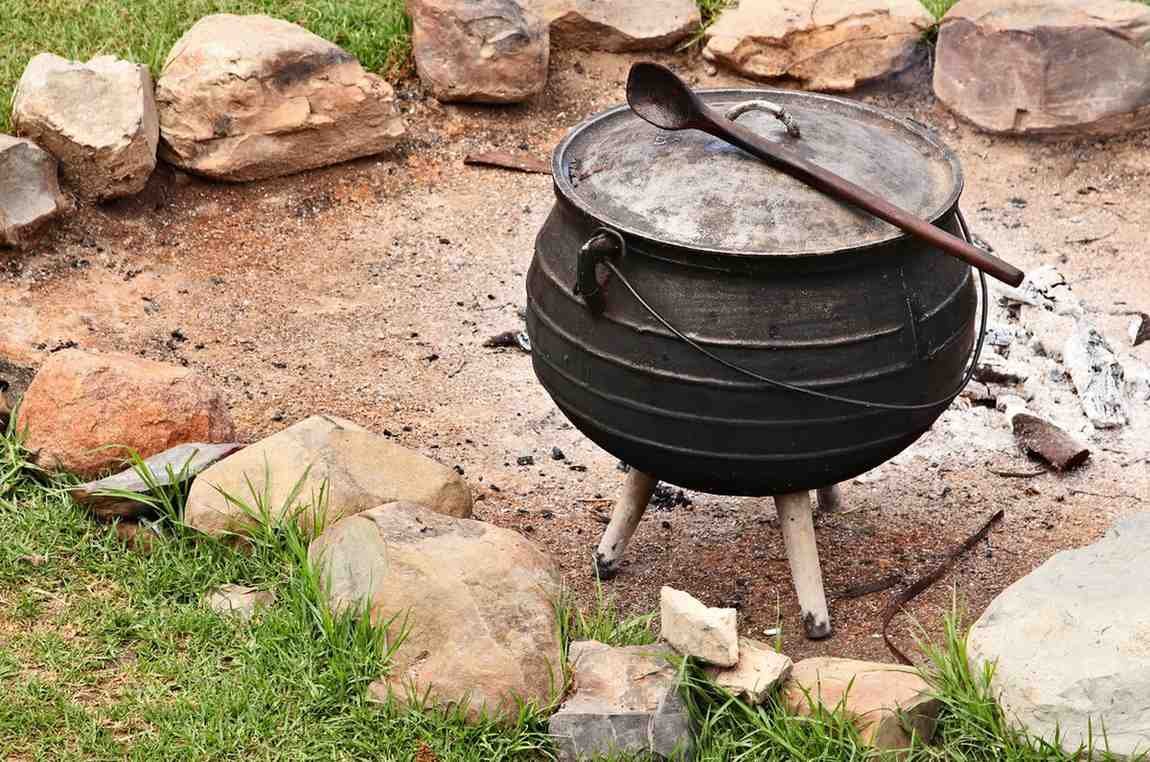
Testi kebabı and güveç show the slower side of this tradition. Testi kebabı is a meat and vegetable stew sealed in a clay pot and cooked near embers. Güveç is a clay pot casserole that can cook for hours in residual stone oven heat after bread baking.
These dishes prove that Turkish Wood Fire Food Culture is not only about fast grilling. It also celebrates slow, patient cooking.
Fire-roasted vegetables also deserve attention. Eggplant, peppers, onions, and tomatoes become sweeter and smokier over coals. Közlenmiş patlıcan, or ember-roasted eggplant, can become salad, dip, side dish, or a base for bigger meals.
Best Wood for Turkish-Style Cooking in the US
Oak, or meşe, is one of the most trusted woods because it burns hot, steady, and clean. It works well for kebabs, lamb, bread, and long cooking. Olive wood, common in Aegean and Mediterranean areas, gives fish and lamb a subtle fruity aroma. Apricot and citrus woods appear regionally and can add gentle sweetness to poultry and delicate meats.
In the US, oak is the easiest authentic choice. Maple, beech, apple, cherry, and citrus wood can also work if they are dry and untreated. Avoid wet wood, softwoods, painted wood, or construction scraps. Bad wood creates bitter smoke and ruins the clean flavor Turkish cooking depends on.
How US Home Cooks Can Recreate the Flavor
You do not need a Turkish village oven to enjoy this style of cooking. Use a backyard pizza oven for pide, lahmacun, flatbread, roasted peppers, and tray dishes. Use a charcoal grill for kebabs, eggplant, tomatoes, onions, and lamb skewers. Use cast iron for sac-style browning and a Dutch oven for tandır-style lamb or güveç.
I recommend thinking in heat zones. Use strong floor heat for bread. Use glowing coals for kebabs. Use residual heat for clay pot dishes. Use slow, covered heat for lamb. This approach brings the logic of Turkish Wood Fire Cooking Techniques into an American kitchen or backyard without making it feel complicated.
Why This Food Culture Feels So Social
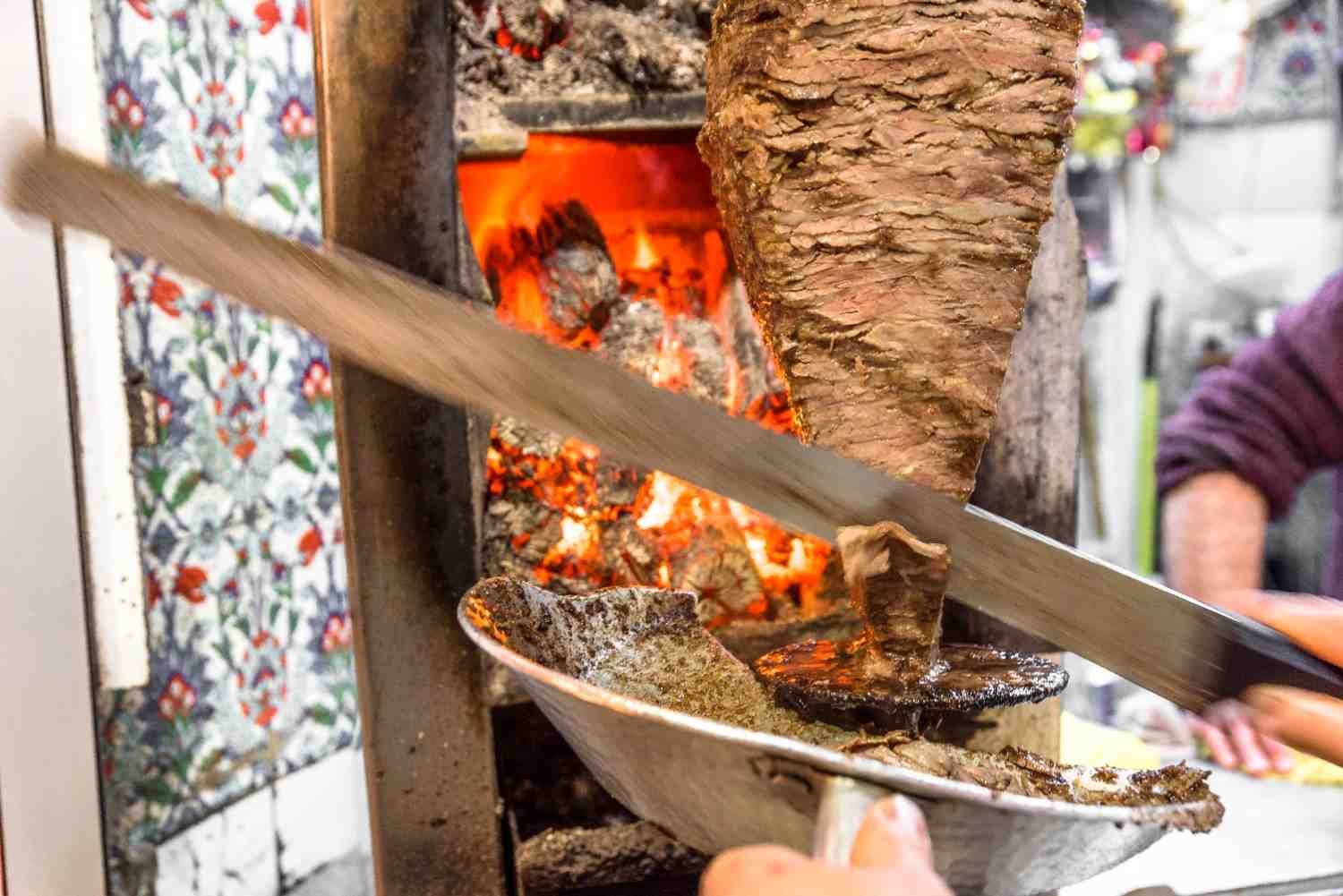
Turkish Wood Fire Food Culture is powerful because it brings people close to the fire and close to each other. Ocakbaşı dining turns grilling into a shared experience. Neighborhood bakeries turn ovens into community spaces. Family meals turn bread into the center of the table.
That is why this food fits American backyard cooking so well. It is generous, smoky, interactive, and relaxed. You can bake pide, grill kebabs, roast vegetables, tear warm bread, and serve everything family-style.
FAQs About Turkish Wood-Fire Cooking
1. What does odun ateşi mean in Turkish cooking?
Odun ateşi means wood fire. In cooking, it refers to food prepared with hardwood, embers, smoke, stone ovens, or live-fire heat.
2. What is the difference between pide and lahmacun?
Pide is usually thicker and boat-shaped with fillings, while lahmacun is thinner, rounder, and topped with a spiced minced meat mixture.
3. Can I make Turkish wood-fired food in a pizza oven?
Yes. A pizza oven works very well for pide, lahmacun, flatbread, roasted vegetables, and small tray kebabs because it gives strong stone-floor heat.
4. What is the best wood for Turkish kebabs?
Oak is one of the best choices because it burns steadily, creates clean embers, and gives kebabs a balanced smoky flavor.
5. Is Turkish wood-fire cooking beginner-friendly?
Yes. Start with flatbread, roasted eggplant, peppers, or simple lamb skewers. Once you understand ember cooking, the method becomes much easier.
Final Thoughts
Turkish wood-fire cooking is one of the most flavorful ways to understand Turkish cuisine. It combines bread, smoke, embers, lamb, clay pots, stone ovens, and social dining into a style that feels rustic but still practical for modern US homes.
For me, beauty is in the balance. Fast-baked lahmacun, slow güveç, juicy Adana kebab, smoky eggplant, and warm pide all come from the same idea: control the fire, respect the ingredients, and serve the food while it still carries the warmth of the oven.