
Turkish Clay Pot Cooking Over Fire: The Smoky Secret Behind Testi Kebabı and Güveç
Turkish Clay Pot Cooking Over Fire is one of the most dramatic and flavorful ways to experience traditional Turkish food at home. I love this method because it turns simple ingredients like lamb, tomatoes, peppers, garlic, butter, and spices into a rich, smoky meal that tastes like it came from an old Anatolian village kitchen.
For US home cooks, this style feels exciting because it connects backyard cooking with centuries-old Turkish fire traditions. You may not have a deep clay tandır oven or a restaurant-style Cappadocia setup, but you can still recreate the soul of the dish with a flame-safe clay pot, a wood-fired oven, a charcoal grill, or a controlled fire pit.
The real secret is patience. Clay rewards slow heat, natural juices, and gentle smoke.
What Is Turkish Clay Pot Cooking Over Fire?
Turkish clay pot cooking comes from ancient Anatolian traditions, where earthenware vessels were used to cook meat and vegetables slowly over fire. The clay holds heat evenly, protects food from scorching, and allows ingredients to steam and braise in their own juices.
This method is most closely connected with two famous dishes: Testi Kebabı and Güveç. Testi Kebabı is the famous pottery kebab from Cappadocia, usually cooked inside a sealed terracotta jug. Güveç is a hearty clay pot stew made with meat, vegetables, tomatoes, peppers, and spices in a wide reusable clay dish.
The beauty of this cooking style is that the pot does much of the work. As the food cooks, tomatoes soften, peppers release sweetness, garlic mellows, and lamb or beef becomes tender. When wood fire or charcoal embers surround the clay, the dish gains a smoky depth that a regular stovetop stew cannot fully match.
Why Testi Kebabı Is Cappadocia’s Most Famous Pottery Kebab
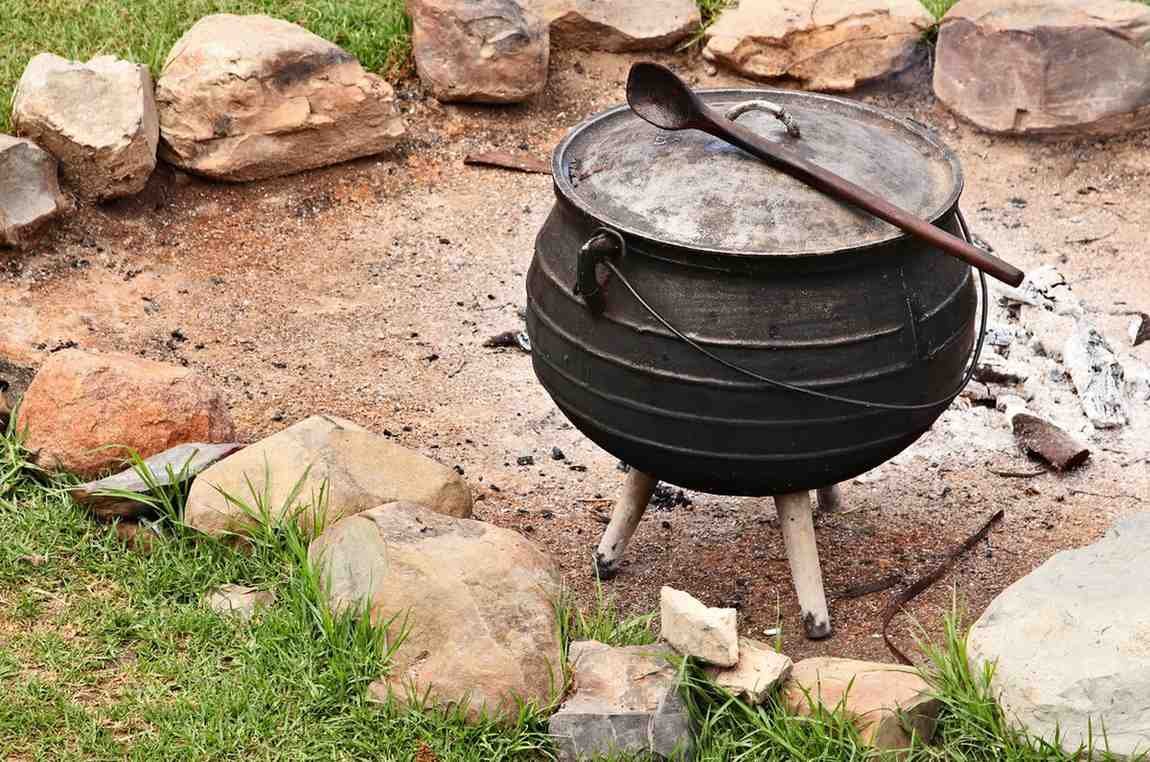
Testi Kebabı is one of Turkey’s most iconic fire-cooked dishes. It originated in Central Anatolia and became especially famous in Cappadocia, a region known for its pottery traditions, volcanic clay, and traditional Turkish ceramics. The word “testi” refers to the narrow, vase-shaped terracotta jug used for cooking.
Traditionally, cubed lamb or beef is layered tightly inside the jug with garlic, shallots, tomatoes, bell peppers, butter, salt, black pepper, and mild Turkish spices. The opening is sealed with a simple flour-and-water dough lid or sometimes aluminum foil in modern kitchens. This seal locks in moisture, allowing the meat and vegetables to steam slowly in their own juices.
In traditional fire cooking, sealed testi jugs may be buried into live wood-fire coals or placed inside a deep clay oven called a tandır. The dish usually cooks for 2.5 to 3.5 hours, depending on the size of the pot, the meat, and the heat level.
The serving ritual makes Testi Kebabı unforgettable. In restaurants, the pot may be brought to the table piping hot, sometimes with a fiery presentation. The neck of the jug is cracked open with a small hammer, releasing fragrant steam and a rich stew of tender meat and vegetables. At home in the US, I suggest skipping the alcohol flame and focusing on safe, controlled presentation.
Testi Kebabı vs Güveç: What Is the Difference?
Many people confuse Testi Kebabı and Güveç because both belong to Turkish clay pot cooking. The difference comes down to the vessel, the cooking style, and the serving tradition.
Testi Kebabı is usually cooked in a narrow, single-use terracotta jug. It is sealed tightly and often cracked open before serving. It feels ceremonial, dramatic, and restaurant-worthy.
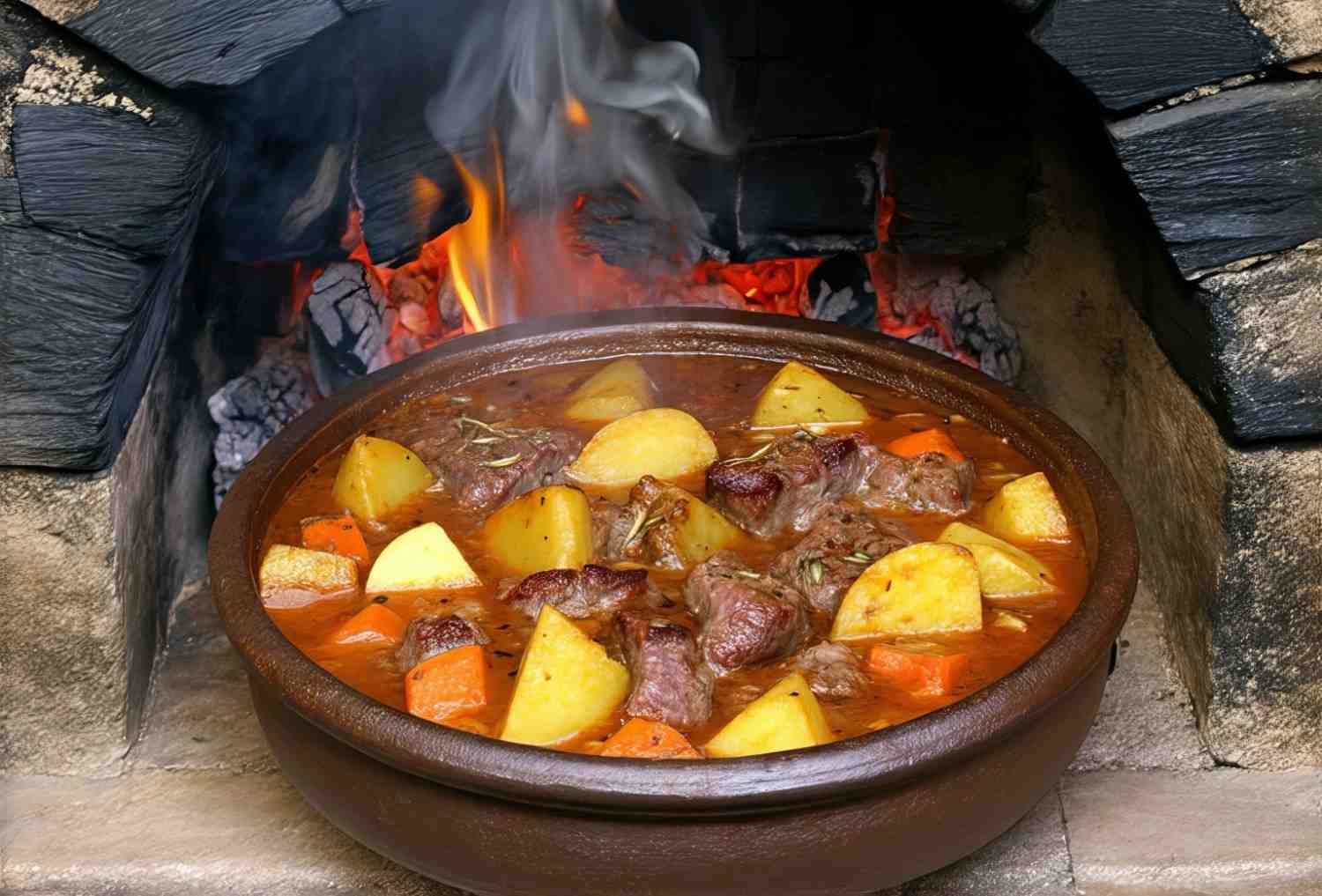
Güveç is more practical for everyday cooking. A güveç is a durable, reusable, wide-mouthed clay dish or deep pot used in homes, village bakeries, and regional kitchens across Turkey. The word can describe both the clay vessel and the stew cooked inside it.
For US backyard cooks, Güveç is usually the easier starting point. You can use a flame-safe clay casserole, a Turkish earthenware pot, or a covered clay baker designed for heat. You get the same slow-cooked comfort without needing to break the pot.
How Traditional Güveç Is Layered for Maximum Flavor
A traditional Güveç recipe depends on careful layering. The meat usually goes at the bottom because it needs the most direct heat. Lamb or beef cubes are common, but chicken thighs also work well for a lighter version.
Over the meat, cooks add vegetables like eggplant, potatoes, green peppers, whole garlic cloves, onions, and plenty of fresh tomatoes. Eggplant is especially valuable because it absorbs the smoky tomato juices and becomes silky as it cooks.
One of the most important traditional rules is using little to no added liquid. A true fire-cooked Güveç relies on the natural juices of tomatoes, peppers, onions, meat, and a generous spoonful of butter or tail fat. As the covered clay pot heats slowly, the vegetables release moisture and create a deep sauce.
The heavy clay lid helps trap steam, while the thick walls conduct heat slowly and evenly. After hours over embers, the top layers gently brown and caramelize, creating the kind of rich flavor that makes Turkish clay pot stew so satisfying.
How to Cook Turkish Clay Pot Food in a US Backyard
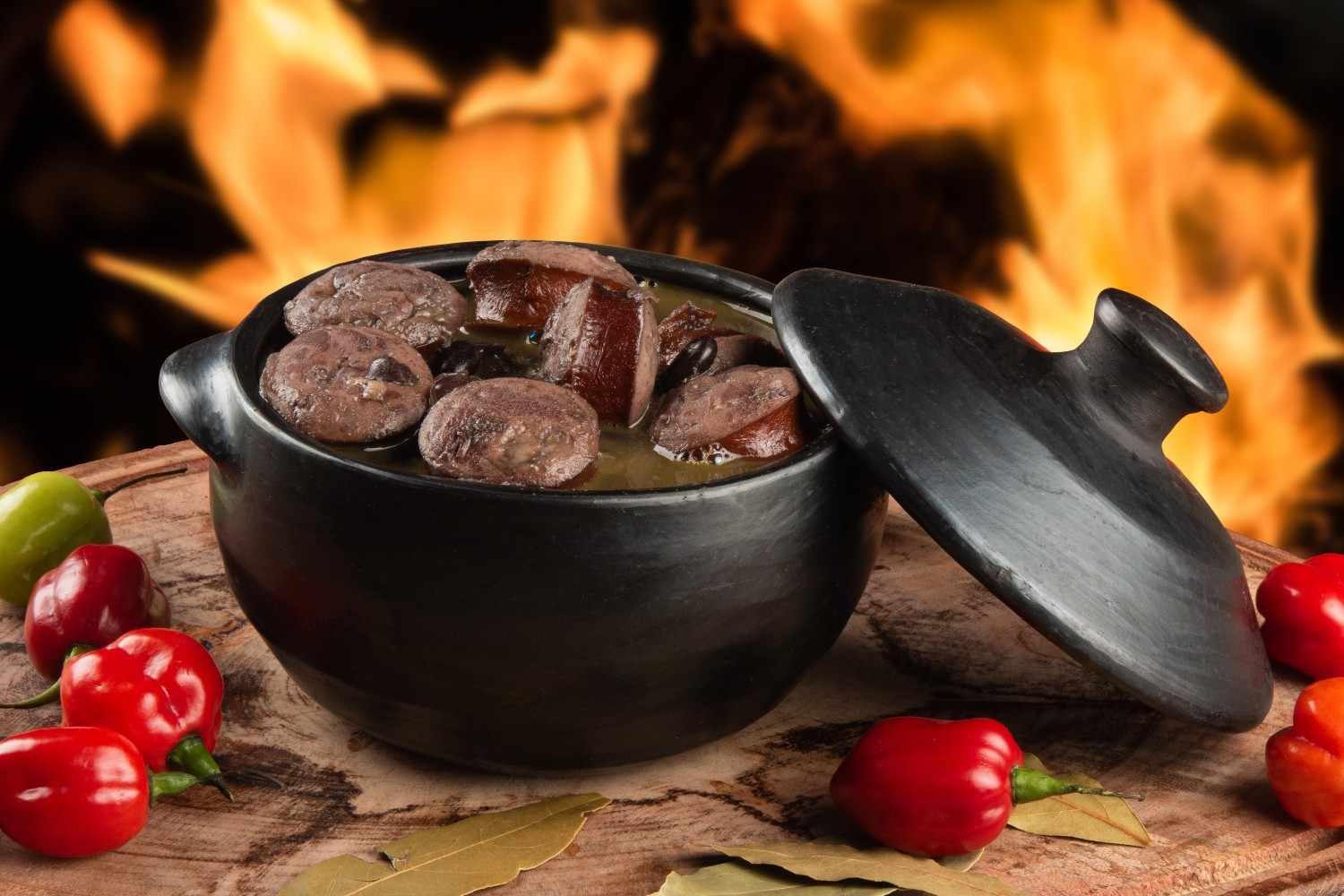
Turkish Clay Pot Cooking Over Fire can work beautifully in a US backyard if you control the heat. Do not place a cold clay pot directly over roaring flames. Clay needs gradual warmth, steady embers, and patience.
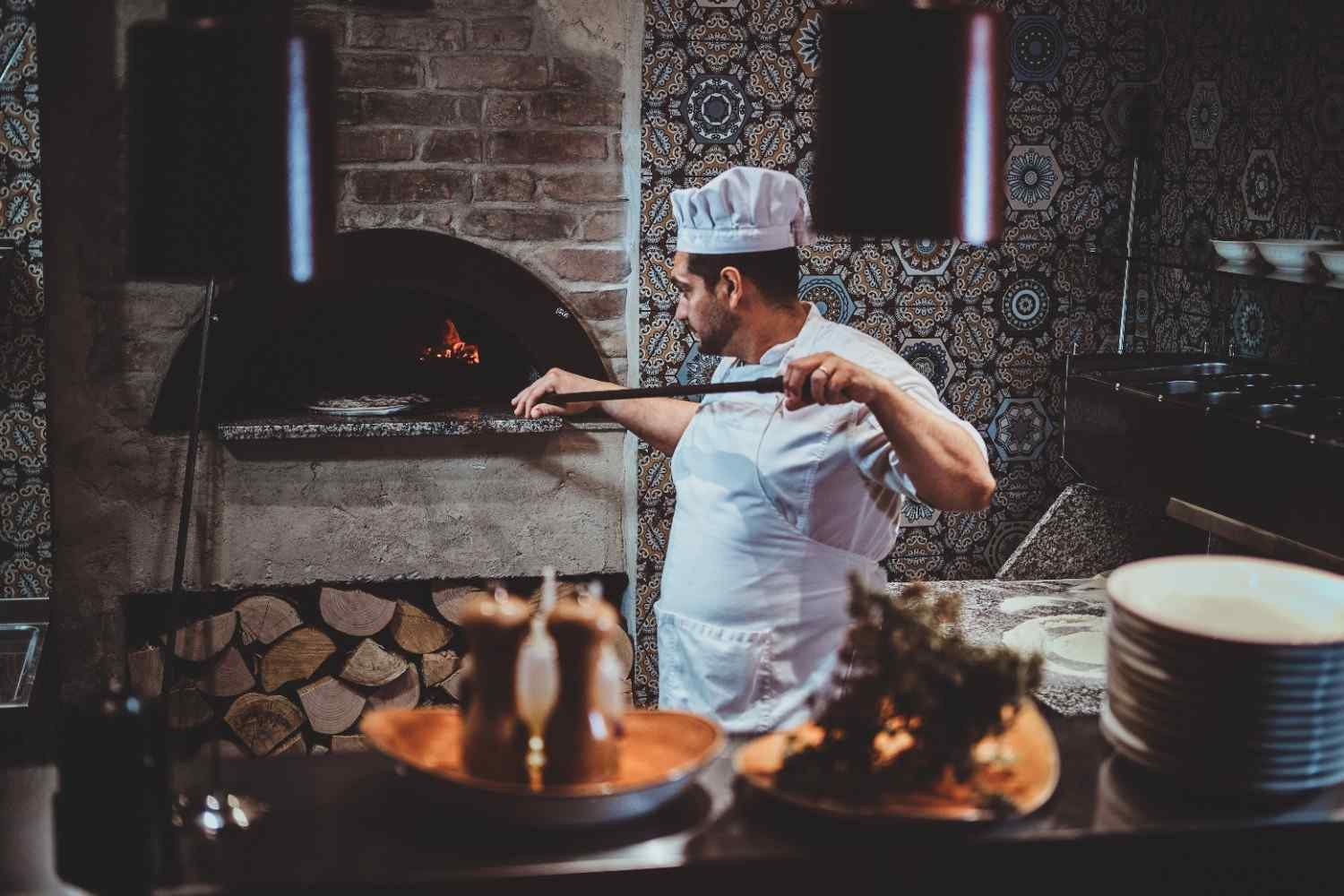
A wood-fired oven gives the closest traditional result. Build the fire first, let the flames calm, move the embers to the side, and place the clay pot where it gets surrounding heat rather than direct flame. This creates a slow-roasting environment similar to old village ovens.
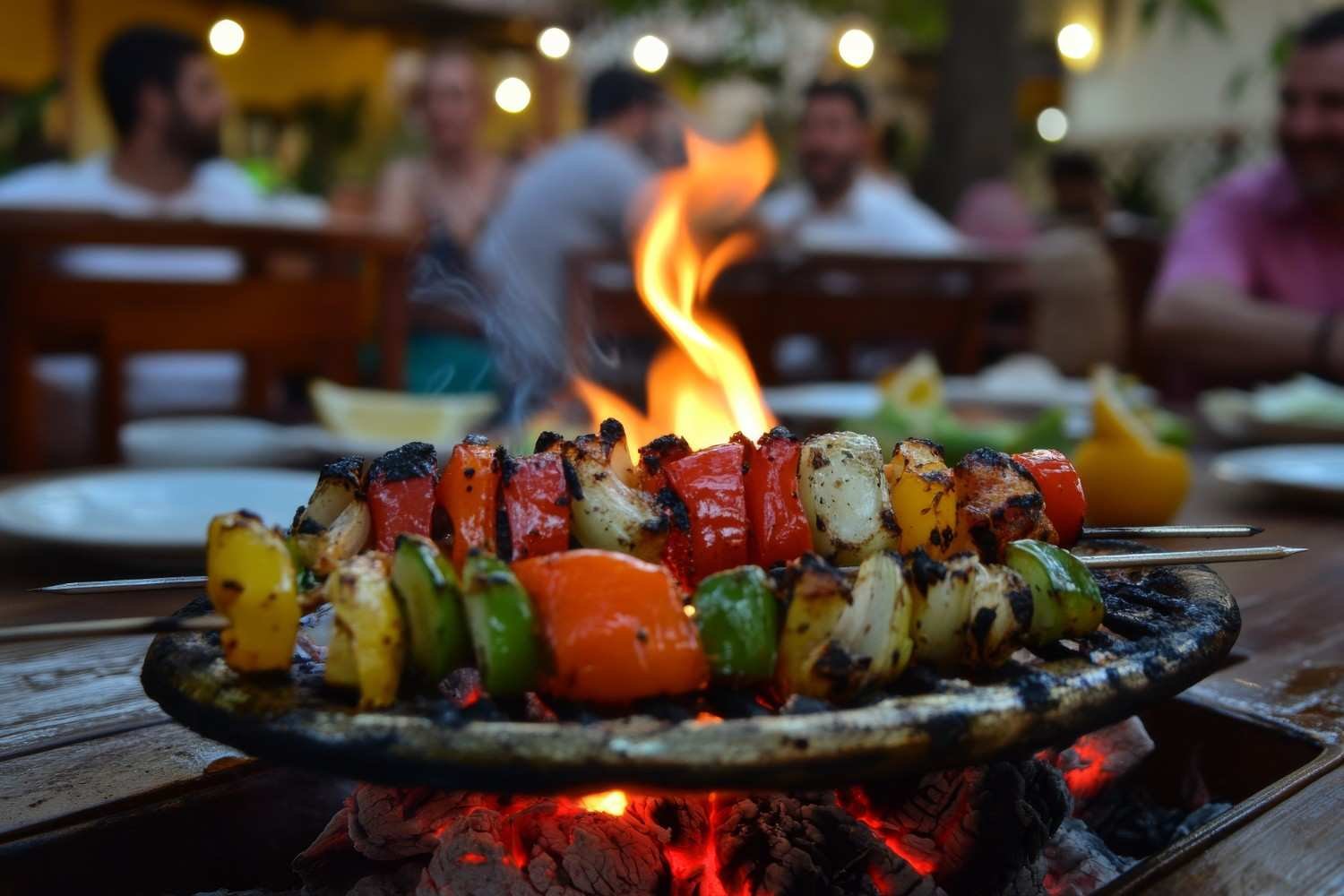
A charcoal grill also works well. Set it up for indirect cooking by placing hot coals on one side and the clay pot on the cooler side. Close the lid and let the pot cook slowly. If needed, add small amounts of charcoal during the cook to keep the heat steady.
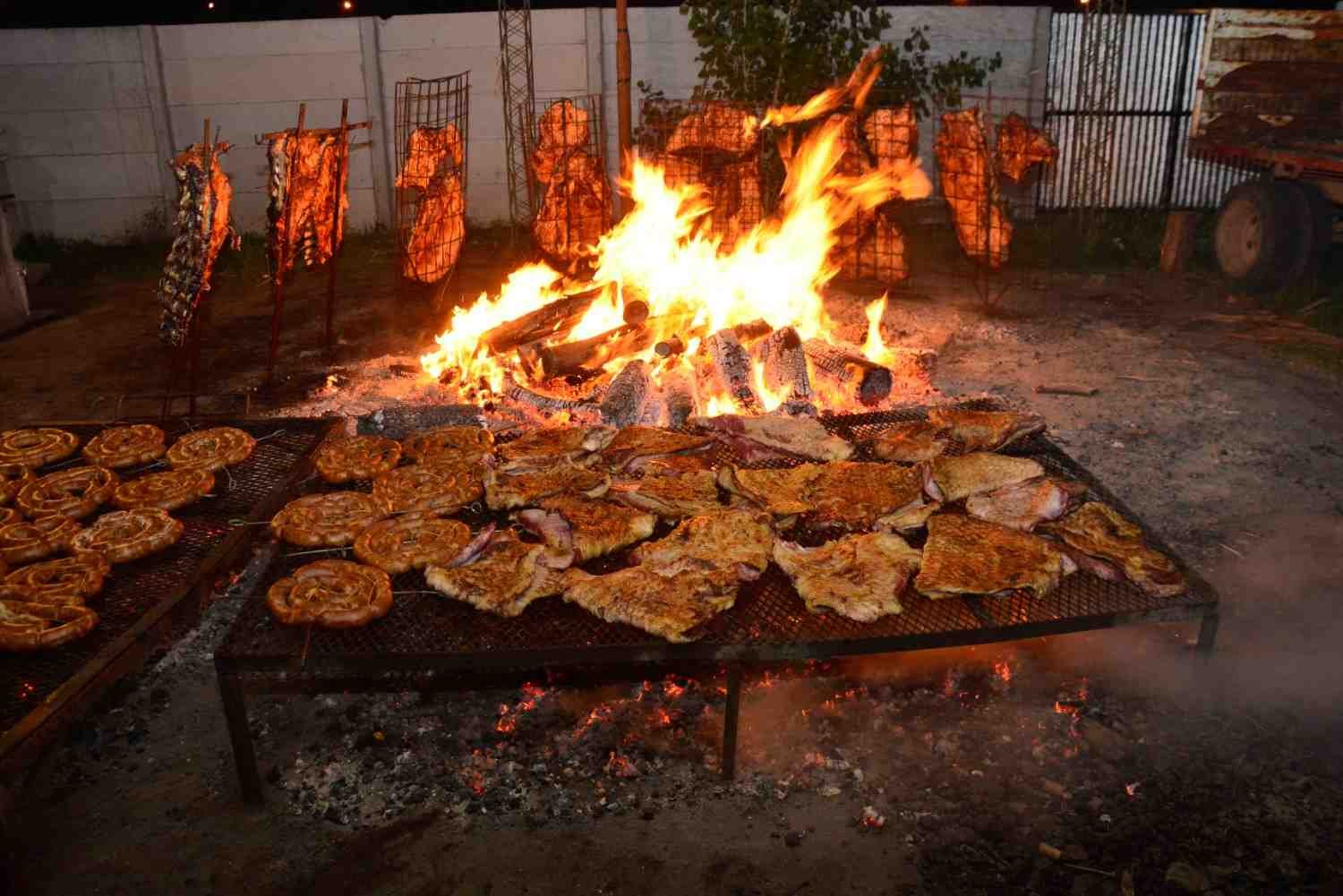
A fire pit can work if you use a stable bed of cooling embers. The pot should sit near controlled heat, not in the middle of tall flames. If your clay vessel is approved for ember cooking, you can nestle it carefully near the coals and rotate it occasionally for even heating.
If outdoor cooking is not possible, use an oven-safe clay pot, Dutch oven, or cast iron casserole indoors. You will miss some of the smoke, but you can still capture the tenderness and rich tomato-based sauce.
How to Season and Protect a Turkish Clay Pot
New unglazed Turkish clay pots often need seasoning before their first use. Traditionally, cooks rub the inside and outside with olive oil or animal fat, then bake the pot slowly to help seal the porous clay. Always follow the manufacturer’s instructions because different clay cookware can have different requirements.
Thermal shock is the biggest risk. Clay can crack if it moves too quickly from cold to hot or hot to cold. Start with low heat or cool embers and allow the pot to warm gradually with the fire. Never place a hot clay pot on a cold stone counter, wet surface, or metal sink.
Use only food-safe, lead-free clay cookware made for cooking. Decorative pottery may look beautiful, but it may not be safe over fire or suitable for food. Avoid lead glazed traditional pottery unless it is clearly certified food-safe and intended for cooking. For US home cooks, this safety step matters more than creating a perfect restaurant-style presentation.
Best Ingredients for Turkish Pottery Kebab and Güveç
The best clay pot dishes start with ingredients that release flavor slowly. Lamb shoulder is my favorite because it becomes tender and rich during long cooking. Beef chuck also works well. Chicken thighs make a good option for a lighter family meal.
Tomatoes are essential because they create the sauce. Bell peppers or Turkish green peppers add sweetness. Shallots, onions, and garlic bring depth. Eggplant, potatoes, zucchini, and mushrooms can make the dish more filling.
For seasoning, use salt, black pepper, paprika, cumin, dried thyme, and pul biber or Aleppo pepper if you have it. Tomato paste adds body, while red pepper paste gives a deeper Turkish flavor. A little butter or olive oil rounds everything out.
What to Serve With Turkish Clay Pot Stew
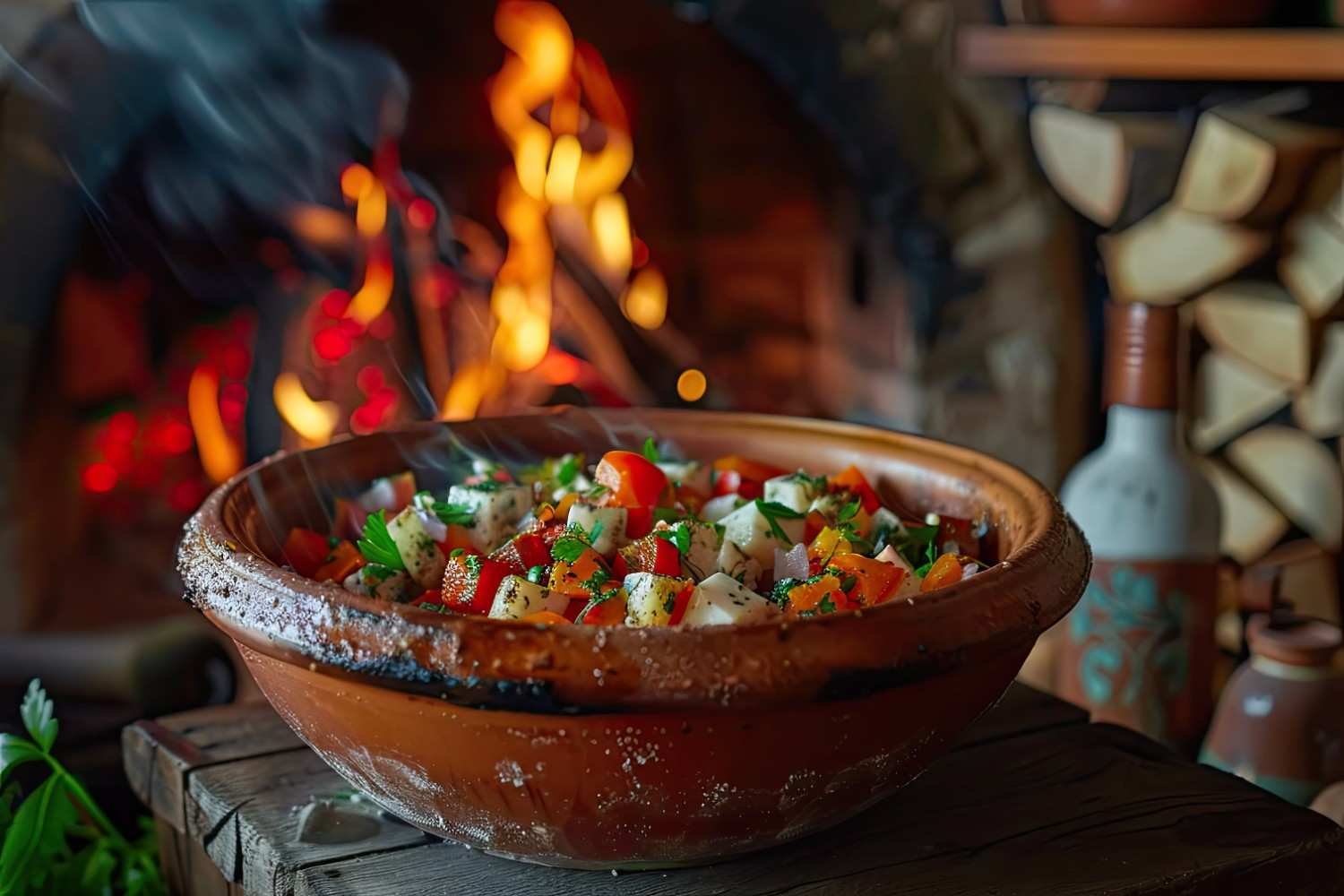
A smoky clay pot stew deserves simple sides. I like serving it with Turkish rice pilaf, warm lavash, pita, crusty bread, or homemade flatbread. The bread is important because the tomato-rich pan juices are often the best part of the meal.
Plain yogurt balances the richness. Sumac onion salad adds sharpness. Roasted peppers, pickled vegetables, shepherd salad, or grilled eggplant also work beautifully. For a US backyard dinner, serve the pot family-style and let everyone scoop the meat, vegetables, and sauce over rice or bread.
Common Mistakes to Avoid
The biggest mistake is treating clay like metal cookware. Clay does not like sudden heat. Start low, warm slowly, and keep the fire controlled.
Another mistake is adding too much water. Traditional Güveç depends on vegetable juices, meat juices, butter, and slow steam. Too much liquid turns it into a thin soup instead of a rich Turkish clay pot stew.
Do not use very lean meat if you want deep flavor. Long cooking works better with lamb shoulder, beef chuck, or chicken thighs. Also avoid opening the pot too often. Every time you lift the lid, you lose heat, steam, aroma, and the deep character that makes Turkish Fire-Cooked Meals so comforting.
FAQs About Turkish Clay Pot Cooking
1. Can you cook a Turkish clay pot directly over an open fire?
Yes, but only if the pot is made for fire cooking. Use low heat, cool embers, or indirect heat instead of placing a cold clay pot into roaring flames.
2. What is Turkish pottery kebab called?
Turkish pottery kebab is called Testi Kebabı. It is especially famous in Cappadocia and is traditionally cooked in a sealed terracotta jug.
3. Is Güveç the same as Testi Kebabı?
No. Güveç is usually a wide reusable clay pot stew, while Testi Kebabı is cooked in a narrow sealed jug that may be cracked open before serving.
4. Do you need to add water to Turkish Güveç?
Traditional Güveç often uses little to no added water. Tomatoes, vegetables, meat, butter, and slow heat create the sauce naturally.
5. Can I make this recipe without a Turkish clay pot?
Yes. You can use a Dutch oven, cast iron casserole, or oven-safe covered dish. The flavor will not be identical, but the meat and vegetables can still become tender and rich.
Is Turkish Clay Pot Cooking Worth Trying at Home?
Turkish Clay Pot Cooking Over Fire is worth trying if you love wood-fired meals, slow cooking, and rustic Turkish recipes. It brings together the drama of Testi Kebabı, the comfort of Güveç, and the smoky flavor of live-fire cooking.
For American home cooks, the best approach is to respect the tradition while adapting it safely. Use the right clay pot, avoid thermal shock, cook over embers instead of flames, and let the ingredients create their own sauce. When the lid finally opens and the steam rises, you will understand why this ancient Anatolian method still feels unforgettable.