
Wood-Fired Turkish Lamb: Kuzu Tandır and Lamb Pide
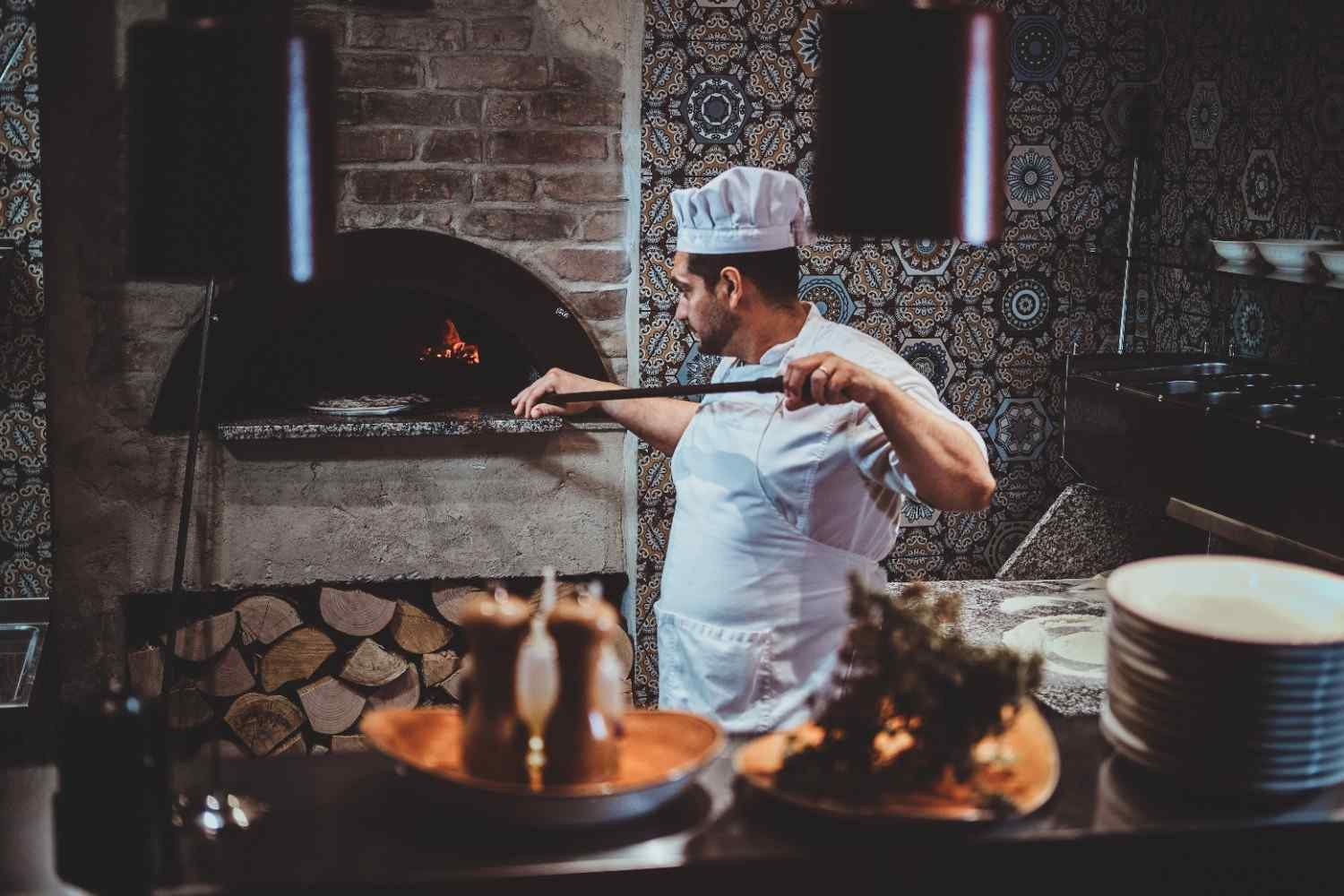
I love recipes where fire, patience, and simple seasoning do most of the work. That is why Turkish wood-fired oven lamb recipes are perfect for US home cooks with a backyard pizza oven, stone oven, or outdoor wood-fired oven.
Instead of blasting lamb over direct flame, this style uses residual falling heat to turn lamb shoulder into juicy, pull-apart meat with a smoky crust.
This article combines slow-roasted kuzu tandır and high-heat lamb pide, giving you both a dinner centerpiece and a crisp Turkish pizza-style flatbread.
What Makes Turkish Wood-Fired Lamb So Tender?
Turkish lamb cooking works because it respects the meat. Lamb shoulder, leg, and shanks need time for fat and connective tissue to soften. A wood-fired oven gives you that time after the main fire burns down and the dome and floor release stored heat.
Kuzu tandır traditionally comes from slow pit-oven cooking. In a modern American backyard oven, I recreate that idea by heating the oven hard first, pushing the coals aside, sealing the lamb, and letting the temperature fall slowly.
What Is Kuzu Tandır?
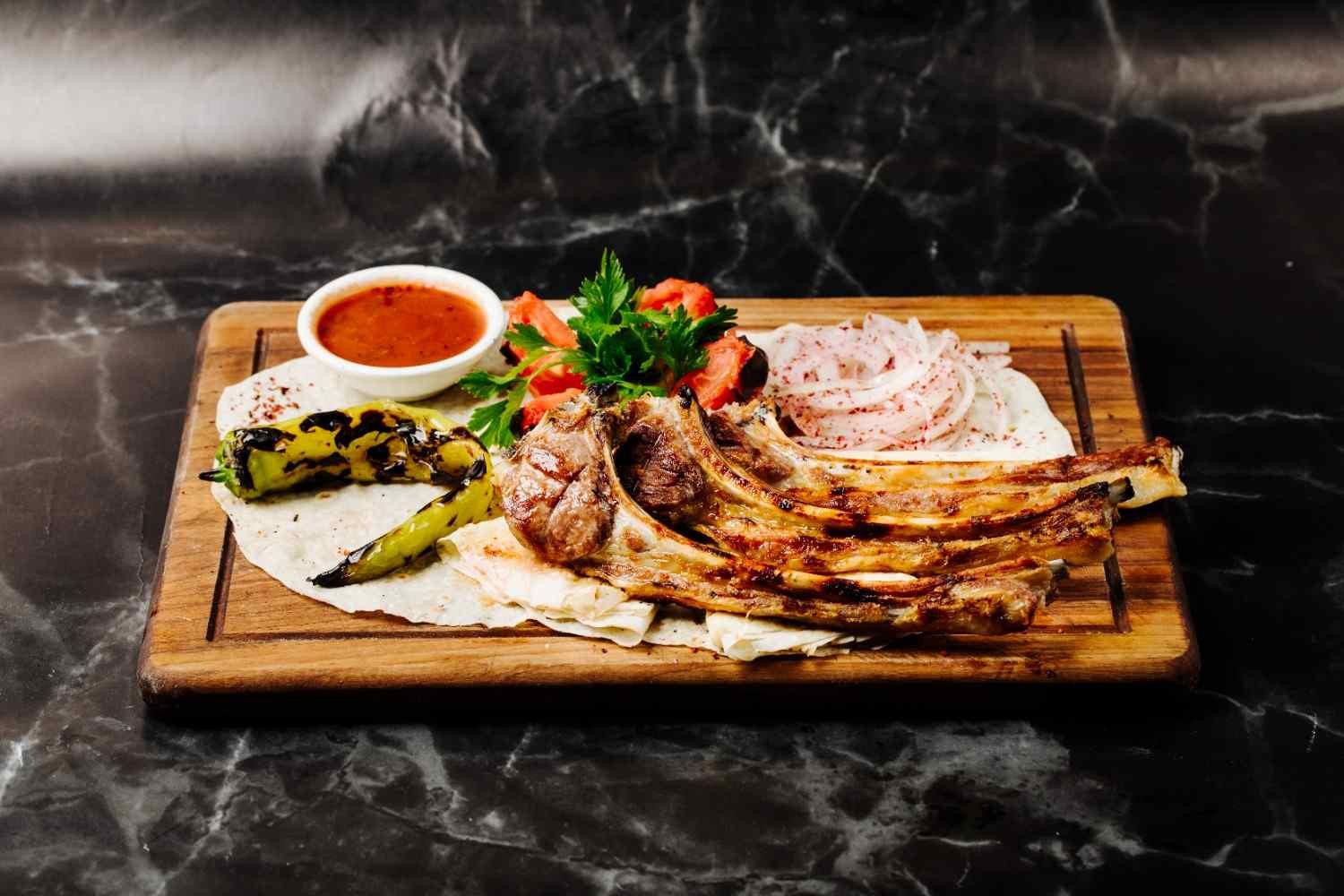
Kuzu means lamb, and tandır refers to an old slow-cooking method connected with clay or pit ovens. In everyday cooking, kuzu tandır is Turkish roasted lamb cooked until the meat falls away from the bone, a style deeply connected to Turkish Countryside Cooking.
Among Turkish wood-fired oven lamb recipes, kuzu tandır is the best starting point because it is simple, forgiving, and full of flavor. You do not need a long marinade. You need steady heat, a sealed pan, and patience.
Recipe 1: How Do You Make Kuzu Tandır in a Wood-Fired Oven?
What Ingredients Do You Need?
Use 3.3 pounds of bone-in lamb shoulder or leg, 3 sliced garlic cloves, 2 tablespoons olive oil, 1 teaspoon ground cumin, 1 teaspoon dried thyme or oregano, 1 tablespoon coarse sea salt, 1 teaspoon black pepper, 1 quartered onion, 2 bay leaves, and 1 cup water.
Lamb shoulder is my favorite cut because it stays moist and shreds beautifully. Lamb leg also works, but shoulder gives a richer slow-roasted Turkish lamb texture.
How Should You Manage the Oven Heat?
Fire your oven to about 570°F. Let the flames die down to coals, push them to the back or sides, and clear the floor. For slow roasting, let the oven fall from about 350°F toward 300°F.
This is the key difference between grilling and Turkish wood-fired cooking. You are not chasing roaring flames. You are using stored heat to cook the lamb slowly without drying it out.
What Are the Cooking Steps?
Pierce small cuts across the lamb and tuck garlic slices into them. Mix olive oil, cumin, thyme or oregano, salt, and black pepper into a paste, then rub it all over the meat. Place onion and bay leaves in a heavy roasting pan, pour water into the base, and set the lamb on top with the fat side facing up.
Seal the pan tightly with parchment paper and two layers of heavy-duty foil. Slide it into the oven at about 350°F and roast for 3 to 3.5 hours, until the lamb feels fork-tender. For the second bake, remove the foil, baste the lamb with its juices, and add one small stick of hardwood if you need a gentle flame.
Roast uncovered for 20 to 30 minutes until golden and caramelized. Rest for 15 minutes before shredding.
Recipe 2: How Do You Make High-Heat Wood-Fired Lamb Pide?
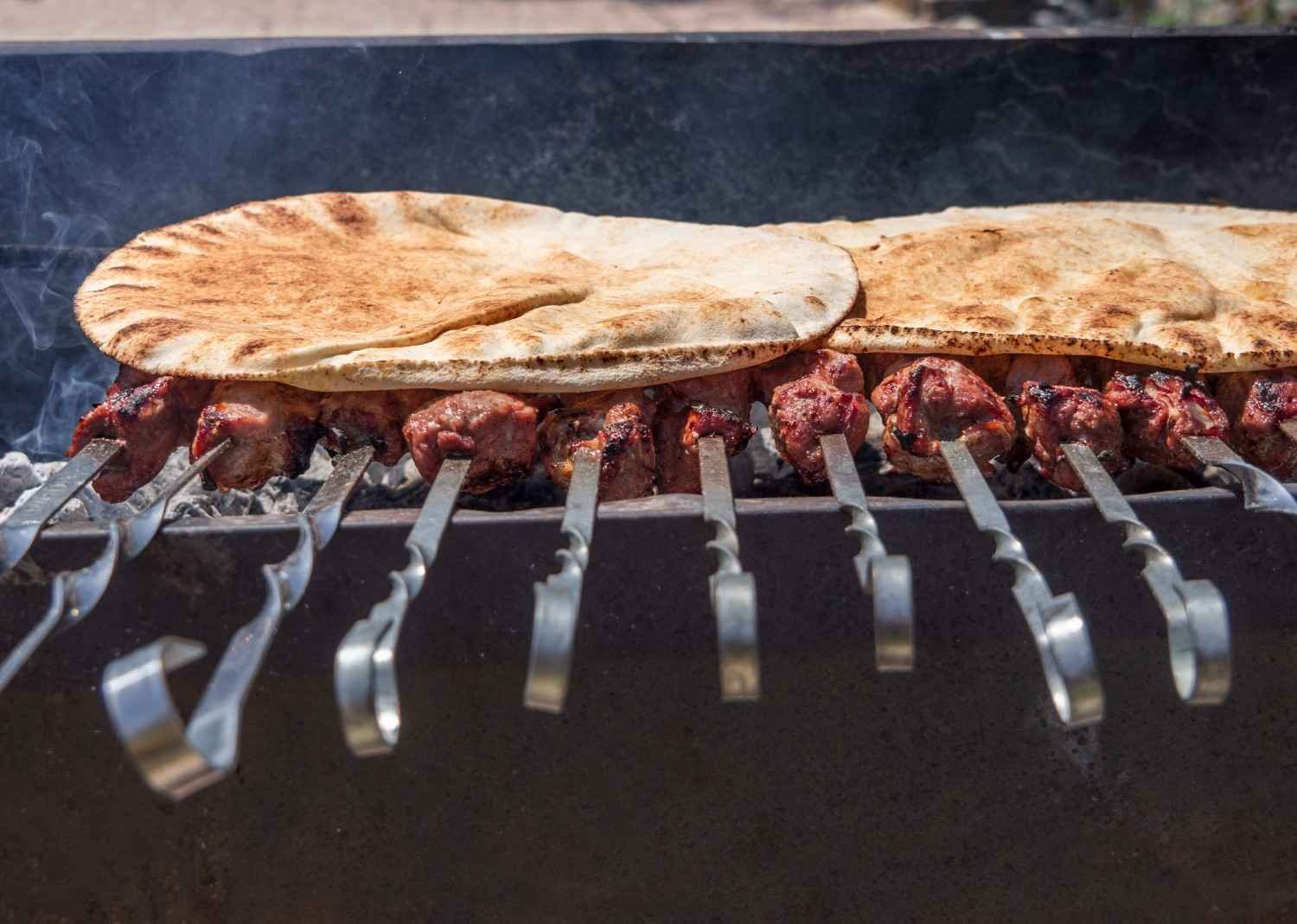
What Is Lamb Pide?
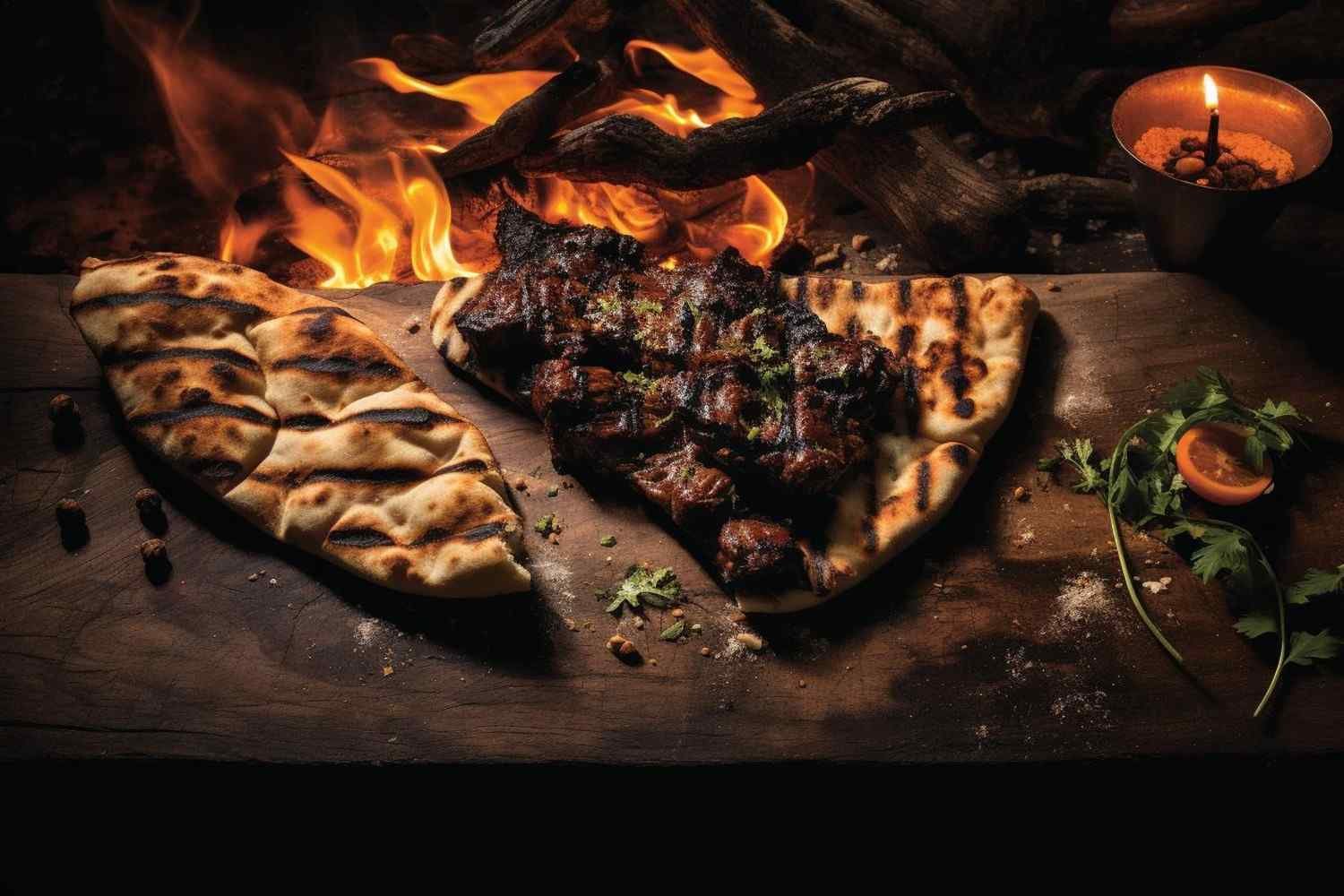
Lamb pide is a Turkish flatbread shaped like a long boat. It is ideal when your oven is too hot for slow roasting. I like making it with fresh ground lamb, but leftover kuzu tandır also works.
What Ingredients Do You Need?
Use pizza dough portions, 9 ounces of ground lamb with about 20% fat, 1 finely diced small onion, 1 finely diced green pepper, 1 seeded and diced tomato, 1 tablespoon tomato paste, 1 teaspoon pul biber or red pepper flakes, salt, and 1 cup shredded mozzarella or Turkish kaşar cheese.
How Do You Bake Lamb Pide?
Keep a live fire on the side of the oven and aim for a floor temperature of 660°F to 750°F. Mix the red pepper flakes, lamb, onion, pepper, tomato, tomato paste, and salt until it forms a paste. Stretch the dough into a long oval, spread on a thin layer of lamb mixture, fold the edges inward, pinch the ends, and add cheese.
Slide the pide onto the hot stone floor with a floured peel. Bake for 5 to 7 minutes, rotating once, until the crust blisters and the lamb sizzles. Brush the hot crust with melted butter, then slice and serve.
What Should You Serve With Turkish Wood-Fired Lamb?
For kuzu tandır, I like Turkish şehriye rice pilaf, warm flatbread, onion salad, roasted peppers, yogurt sauce, and fermented vegetables for a tangy contrast. For lamb pide, serve lemon wedges, pickled vegetables, parsley, fermented vegetables, and a fresh salad.
Can You Make This Without a Wood-Fired Oven?
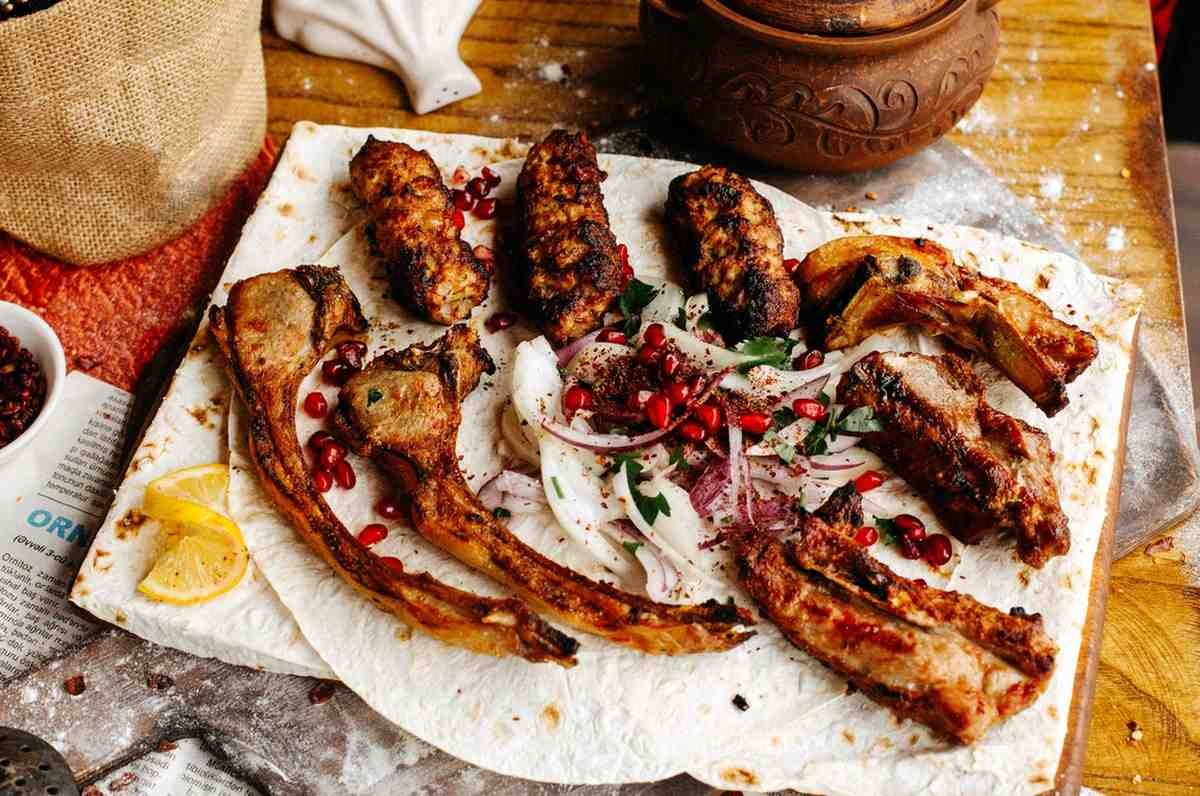
Yes. Roast the sealed lamb in a regular oven at 325°F to 350°F, then uncover it near the end to brown the top. For pide, use a pizza stone or steel in the hottest home oven setting.
FAQs About Wood-Fired Turkish Lamb
1. What is the best cut for kuzu tandır?
Lamb shoulder is best because it has enough fat and connective tissue to become tender during slow roasting.
2. What wood should I use for Turkish lamb?
Oak, maple, and fruitwood work well because they create steady heat and clean smoke.
3. Can I use leftover lamb for pide?
Yes. Chop leftover lamb finely and use it instead of raw ground lamb, but reduce the bake time slightly.
Final Thoughts
The best Turkish wood-fired oven lamb recipes are not about fancy ingredients. They are about patience, heat control, and knowing when to use strong fire or gentle residual warmth. Slow heat turns lamb shoulder into tender kuzu tandır with rich juices and soft texture.
Higher heat works beautifully for lamb pide, where spiced meat, thin dough, and smoky edges cook fast. You can also make lamb güveç in a covered clay pot, letting vegetables, fat, and steam build flavor slowly. With the right fire management, simple lamb becomes deeply savory, aromatic, and perfect for sharing at the table with family.