






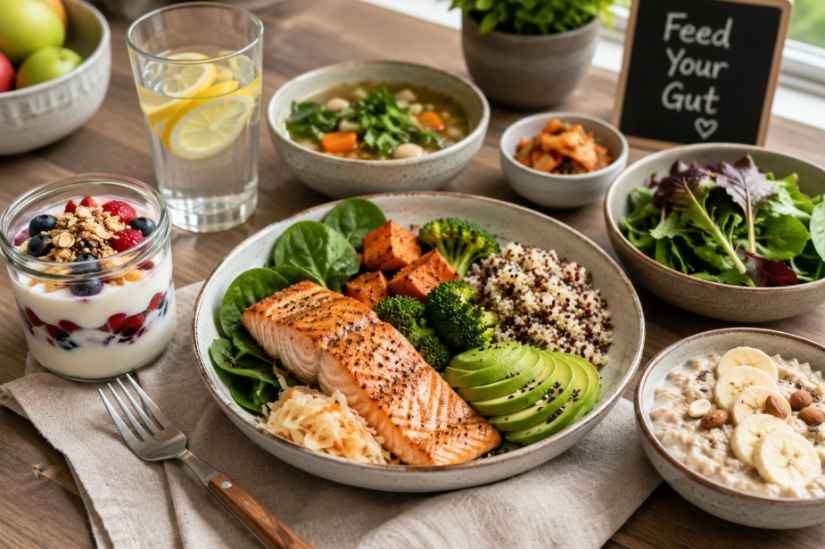
Gut-Friendly Meals Worth Adding To Your Weekly Menu
A few years ago, I used to think digestive discomfort was just part of everyday life. Feeling bloated after meals, experiencing occasional stomach discomfort, or having low energy after eating seemed normal. It wasn’t until I started paying attention to the foods on my plate that I noticed a difference.
Small changes, especially focusing on gut-friendly meals, helped me feel lighter, more energized, and more comfortable throughout the day.
The truth is that your digestive system responds to what you consistently eat. While there is no perfect meal plan for everyone, building meals around fiber-rich ingredients, fermented foods, lean proteins, and whole grains can support healthy digestion and a more balanced gut microbiome.
The good news is that these meals do not require complicated recipes or expensive ingredients. Many can easily become part of your weekly routine.
Why Gut-Healthy Meals Matter
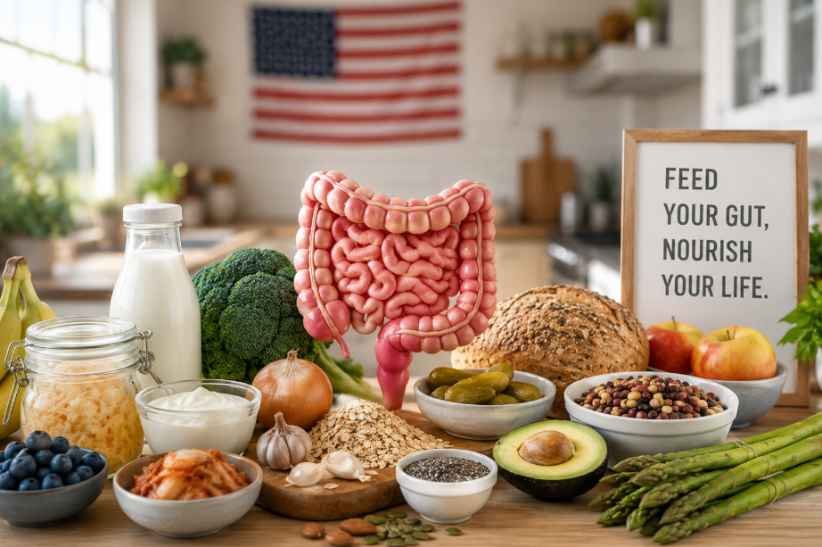
Your gut is home to trillions of bacteria that influence digestion, immune function, and overall well-being. Feeding these beneficial bacteria with the right foods can help support digestive wellness and improve how you feel day to day.
The most effective gut-health meals typically combine prebiotics and probiotics. Prebiotics are fibers that nourish healthy bacteria, while probiotics introduce beneficial live cultures into your digestive system. Together, they create an environment where your gut microbiome can thrive.
Instead of focusing on individual superfoods, it is often more practical to build balanced meals that naturally include a variety of gut-healthy foods.
Breakfast Ideas That Start The Day Right
Breakfast sets the tone for the rest of the day. Choosing meals that contain fiber, protein, and fermented foods can support healthy digestion from the morning onward.
Overnight Oats With Kefir And Chia Seeds
This simple meal is one of the easiest gut-health recipes to prepare ahead of time. Rolled oats provide soluble fiber, while kefir delivers a diverse range of probiotics. Chia seeds add additional fiber that supports regular digestion.
Adding grated apple or fresh berries increases plant diversity, which many nutrition experts consider beneficial for microbiome health.
Kimchi And Avocado Scrambled Eggs
Eggs provide satisfying protein, while kimchi introduces fermented goodness to the meal. Pairing it with avocado adds healthy fats that may help support digestive comfort.
The combination feels filling without being overly heavy, making it a practical option for busy mornings.
Lunch Options That Support Digestive Health
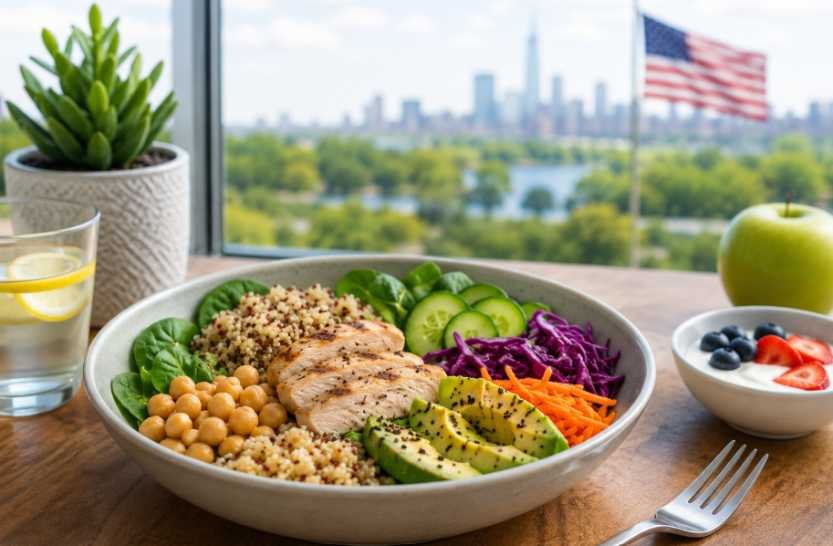
Midday meals often determine whether energy levels stay steady or crash later in the afternoon. Choosing fiber-rich meals with plenty of plant ingredients can make a noticeable difference.
Warm Chickpea And Roasted Cauliflower Salad
Chickpeas are packed with plant protein and prebiotic fiber. Roasting cauliflower softens its texture and makes it easier for many people to digest.
A simple tahini and lemon dressing ties everything together while adding healthy fats. This meal works particularly well for meal prep because the flavors improve over time.
Coconut Ginger And Carrot Soup
When your digestive system feels sensitive, a warm soup can be surprisingly comforting. Cooked carrots and sweet potatoes are gentle on the stomach, while fresh ginger has long been associated with digestive support.
The smooth texture also makes this meal easy to enjoy when bloating or digestive discomfort is present.
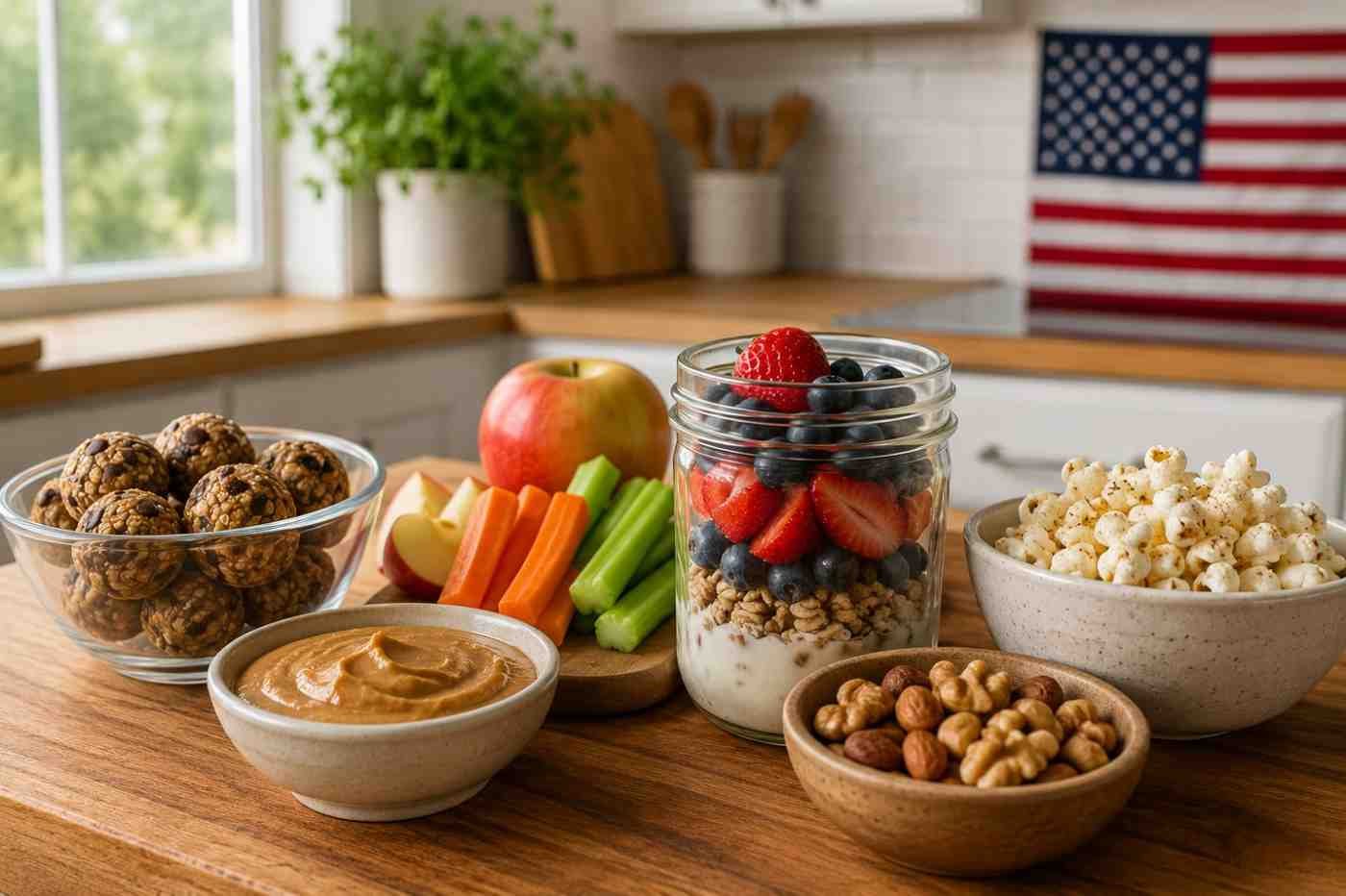
Pairing lunch with homemade healthy snacks can also support steadier energy between meals without relying on heavily processed options.
Dinner Meals That Nourish The Gut
Dinner is an opportunity to combine nutrient-dense ingredients into satisfying meals that support both fullness and digestive wellness.
Miso-Glazed Salmon With Quinoa And Bok Choy
Salmon contains omega-3 fatty acids that support overall health and may help reduce inflammation. Quinoa serves as a protein-rich whole grain alternative, while bok choy contributes valuable fiber.
The miso glaze introduces fermented ingredients that add depth of flavor and additional gut-friendly benefits.
Stuffed Sweet Potatoes With Ground Turkey
This meal combines lean protein with one of the most versatile fiber-rich vegetables available. Sweet potatoes provide complex carbohydrates and fiber, while turkey offers satisfying protein without the heaviness of fried foods.
A spoonful of Greek yogurt on top adds a probiotic element that complements the dish perfectly.
Small Habits That Make Gut-Friendly Meals More Effective
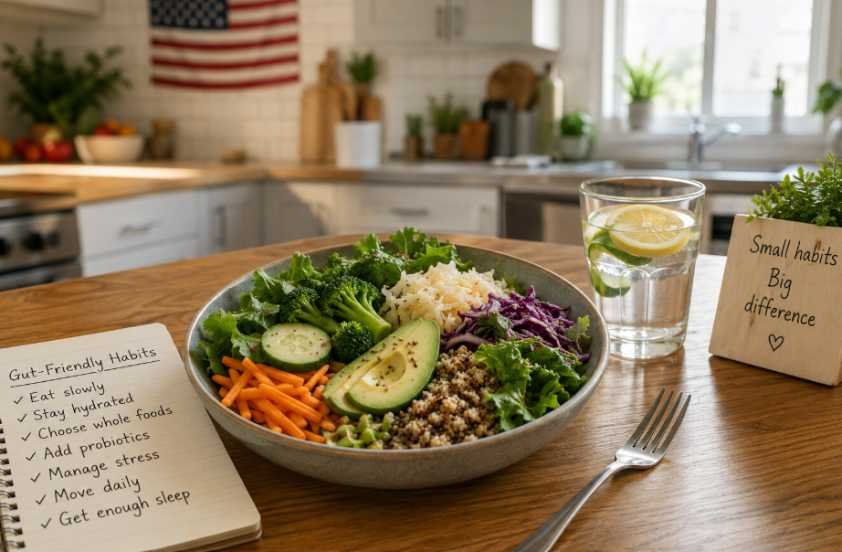
Building a healthy gut diet is not only about individual meals. Consistent habits often have a greater impact over time.
A few practical strategies include:
- Prioritize plant diversity throughout the week.
- Include fermented foods regularly but gradually.
- Stay hydrated when increasing fiber intake.
- Choose whole grains over heavily processed carbohydrates.
- Incorporate beans, lentils, seeds, herbs, and leafy greens into meals.
Many people find that exploring cuisines built around whole foods can naturally support digestive health. For example, wholesome Turkish cuisine often features yogurt-based dishes, legumes, vegetables, olive oil, and fresh herbs, all of which can contribute to balanced eating patterns.
Foods That Help Build Better Gut Health
While complete meals matter most, certain ingredients deserve regular spots in your weekly menu.
Fermented Foods
Foods such as kefir, yogurt, kimchi, sauerkraut, and miso introduce beneficial bacteria that support microbiome diversity.
Fiber-Rich Foods
Oats, beans, lentils, fruits, vegetables, and whole grains provide the fiber needed to nourish healthy bacteria.
Anti-Inflammatory Foods
Salmon, olive oil, nuts, seeds, and leafy greens can complement digestive wellness by supporting overall health.
Rather than trying to include every gut-healthy food at once, focus on adding one or two new ingredients each week. Small, sustainable changes are often easier to maintain long-term.
Frequently Asked Questions: Gut-Friendly Meals Worth Adding To Your Weekly Menu
1. What Are The Best Gut Friendly Meals For Beginners?
Simple meals such as overnight oats, yogurt with fruit, vegetable soups, quinoa bowls, and roasted vegetable salads are excellent starting points. They provide fiber, nutrients, and digestive support without requiring major dietary changes.
2. How Often Should I Eat Fermented Foods?
Many people benefit from consuming small portions of fermented foods several times per week. If you are new to foods like kimchi or kefir, start slowly and gradually increase your intake.
3. Can Gut-Friendly Meals Help Reduce Bloating?
For some individuals, meals rich in fiber, probiotics, and minimally processed ingredients may help support healthier digestion and reduce occasional bloating. Results can vary based on individual digestive needs.
4. What Foods Should I Limit For Better Digestive Health?
Highly processed foods, excessive added sugars, and frequent fried foods may not support optimal digestive wellness. Focusing on whole foods and balanced meals is often a better approach.
Final Thoughts
Improving digestive health does not require a complete overhaul of your diet. The most effective approach is often the simplest one: consistently choosing gut-friendly meals that combine fiber, probiotics, lean proteins, and a wide variety of plant foods.
Over time, these choices can help support microbiome health, improve digestion, and create a more enjoyable relationship with food. The goal is not perfection but creating a weekly menu that feels realistic, satisfying, and sustainable.
Start with one meal, one ingredient, or one habit at a time. Small improvements often lead to the biggest long-term results.