

Simple Ways To Enjoy Traditional Recipes With A Healthy Twist
There is something comforting about a meal that has been passed down through generations. Whether it is a hearty casserole, a homemade pie, or a rich family dinner recipe, traditional foods often carry memories that go far beyond the ingredients on the plate. The challenge is that many of these dishes were created during a time when nutrition was viewed differently, and some recipes can be high in refined grains, saturated fats, sodium, and added sugars.
The good news is that enjoying traditional recipes with a healthy twist does not mean giving up the flavors you love. In fact, some of the best home cooks have learned that a few thoughtful adjustments can make familiar meals more nutritious while keeping their original character intact. Small changes often have the biggest impact, especially when they become part of everyday cooking habits.
Why Traditional Recipes Still Matter?

Traditional recipes connect people to family history, culture, and shared experiences. Many comfort foods are associated with celebrations, holidays, and gatherings around the dinner table. That emotional connection is one reason people often resist changing classic recipes.
However, healthier cooking is not about replacing every ingredient or completely reinventing family favorites. It is about finding balance. By making strategic adjustments, you can create meals that support healthier eating habits while preserving the authentic flavors that make these dishes special.
Start With Smarter Ingredient Swaps
One of the easiest ways to create healthy traditional recipes is by upgrading a few key ingredients. These swaps often improve nutritional value without dramatically changing taste or texture.
Some practical options include:
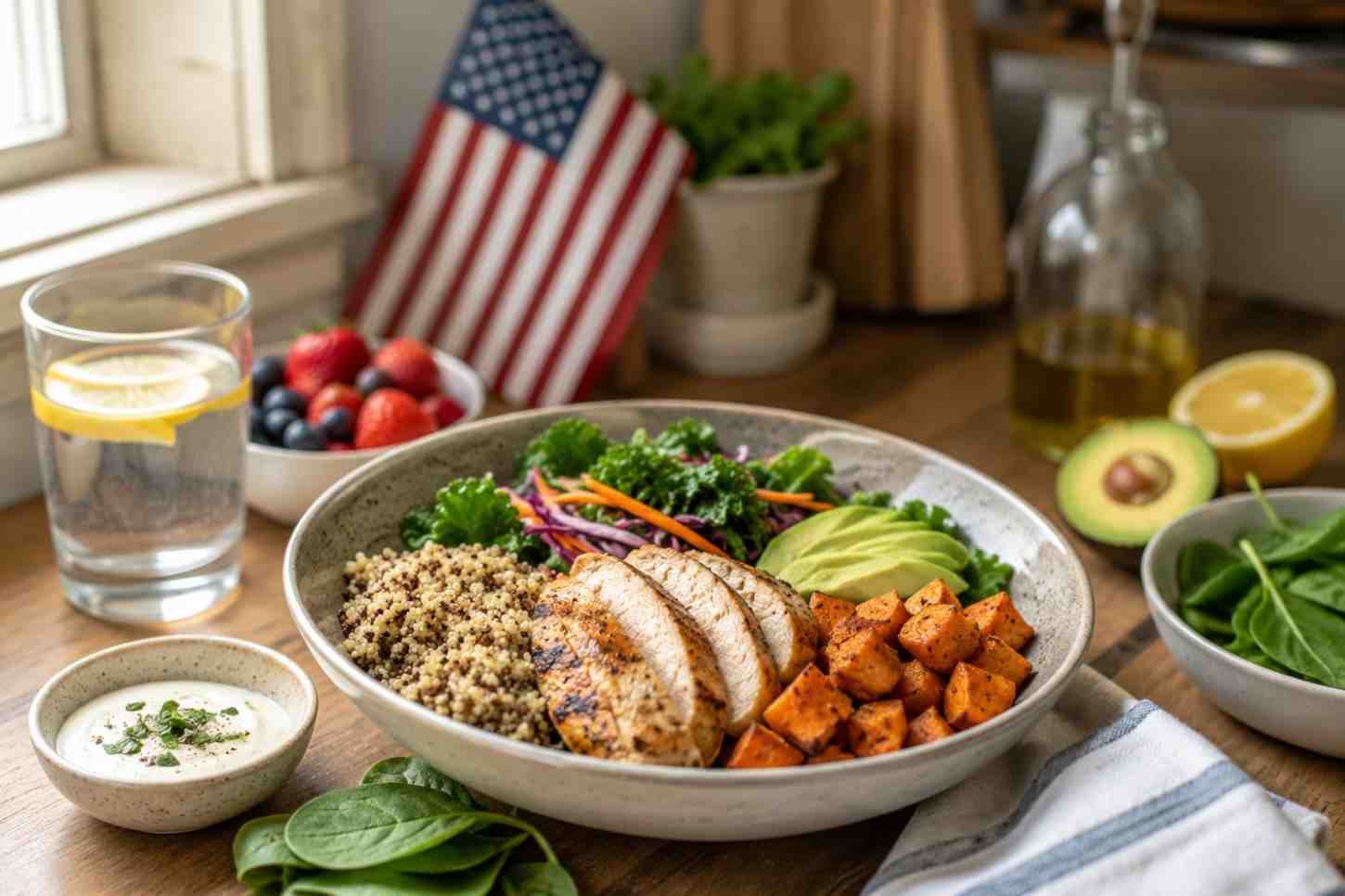
- Replace refined grains with whole grains such as oats, whole wheat flour, or millet-based alternatives.
- Use Greek yogurt instead of heavy cream in soups, sauces, and casseroles.
- Swap butter-heavy preparations for olive oil when appropriate.
- Choose lean protein sources such as turkey, chicken breast, beans, or lentils.
- Reduce added sugar by using naturally sweet ingredients like fruit purees.
Many home cooks are surprised by how little difference they notice when these substitutions are introduced gradually. The familiar flavor remains while the meal becomes more balanced and nutrient-dense.
Add More Vegetables Without Changing The Dish

One common mistake people make when trying to eat healthier is preparing completely separate meals. A simpler approach is to build extra nutrition directly into dishes you already enjoy.
Vegetables can blend naturally into many traditional comfort food recipes. Grated carrots can disappear into meatloaf mixtures. Finely chopped mushrooms can add texture to pasta sauces. Spinach can be blended into soups, sauces, or dough without overpowering flavor.
These additions increase fiber, vitamins, and minerals while helping meals feel more filling. Over time, these small improvements contribute to healthier family meals without requiring dramatic changes at the table.
Make Protein Work Harder For You
Protein plays an important role in creating satisfying meals. Traditional dishes often rely on larger portions of red meat, but there are plenty of ways to increase nutrition while maintaining familiar flavors.
Beans, lentils, and legumes work well in soups, stews, casseroles, and side dishes. They add protein, fiber, and texture while reducing reliance on higher-fat ingredients. Even replacing part of the meat in a recipe with beans or lentils can create a more balanced dish.
Another effective strategy is introducing a meatless dinner once a week. Many families discover that hearty lentil soups, bean-based chili, or vegetable-packed pasta dishes are just as satisfying as their traditional counterparts.
Rethink How You Cook Your Food
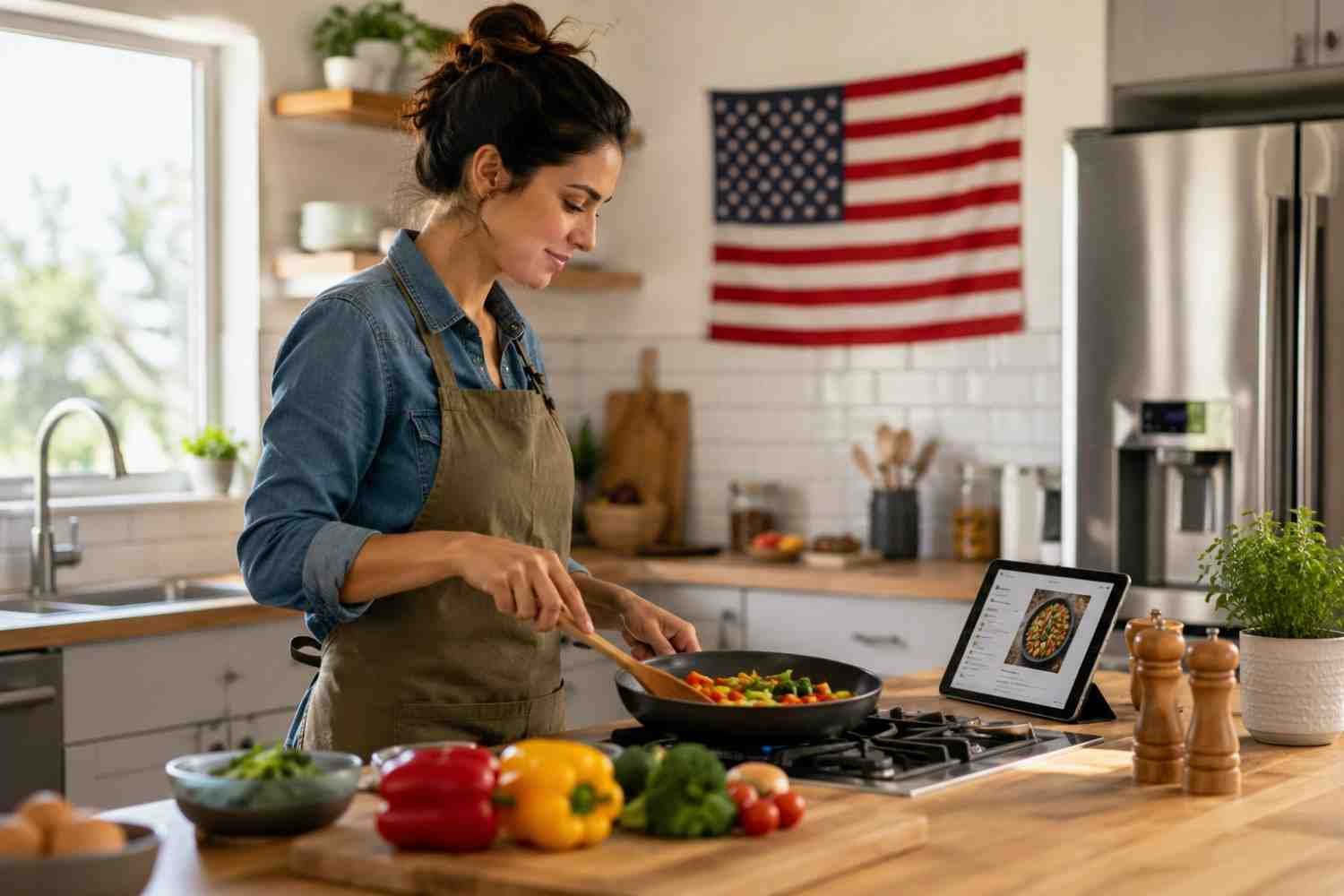
The cooking method itself can have a significant impact on the nutritional profile of a meal. Some traditional recipes depend heavily on frying or excessive amounts of oil.
Fortunately, modern cooking techniques make it easier to achieve similar textures and flavors with fewer calories.
Healthier Cooking Methods Worth Trying
- Roast vegetables instead of frying them.
- Use an air fryer for crispy appetizers and side dishes.
- Steam vegetables to preserve nutrients.
- Bake instead of deep fry whenever possible.
- Use non-stick cookware to reduce the need for excess oil.
Many people discover that these methods actually highlight natural flavors more effectively than heavier cooking approaches.
Keep The Flavor That Makes Traditional Foods Special
One concern people often have is that healthier versions of traditional dishes will taste bland. In reality, flavor rarely comes from fat alone. Herbs, spices, aromatics, and cooking techniques contribute just as much to a memorable meal.
Garlic, onions, fresh herbs, smoked paprika, cumin, rosemary, thyme, and citrus can elevate dishes without adding unnecessary calories. Learning how to season food properly often allows cooks to reduce sodium while maintaining strong flavor.
This is where rustic cooking techniques for healthier meals can be especially valuable. Slow roasting, simmering, braising, and cooking with fresh herbs can enhance flavor naturally while requiring fewer processed ingredients.
FAQs: Simple Ways To Enjoy Traditional Recipes With A Healthy Twist
1. What are the easiest ways to make traditional recipes healthier?
Simple ingredient swaps such as using whole grains, Greek yogurt, lean proteins, and olive oil can significantly improve nutrition without changing flavor too much.
2. Can healthy traditional recipes still taste authentic?
Yes. The key is preserving the original seasonings, cooking techniques, and flavor profile while adjusting ingredients that add excess fat, sugar, or refined carbohydrates.
3. Are air fryers good for making traditional comfort foods healthier?
Air fryers can help create crispy textures with much less oil than deep frying, making them a useful option for healthier comfort food preparation.
4. How can I add more vegetables to traditional meals?
Try incorporating grated vegetables into sauces, casseroles, meat mixtures, soups, and baked dishes. This increases nutrition while keeping familiar flavors intact.
Final Thoughts
Traditional recipes with a healthy twist offer the best of both worlds. They allow people to hold on to cherished family traditions while adapting to modern nutritional needs. The process does not require complicated diets or drastic changes. In most cases, healthier cooking starts with small adjustments that improve ingredients, cooking methods, and meal balance. Over time, these choices add up and help create meals that are both satisfying and nourishing.
The recipes we love do not need to disappear. With a few thoughtful changes, they can continue to be enjoyed for generations to come.