


Oven Glow Of Rustic Custard And Cake Dessert That Feels Luxe
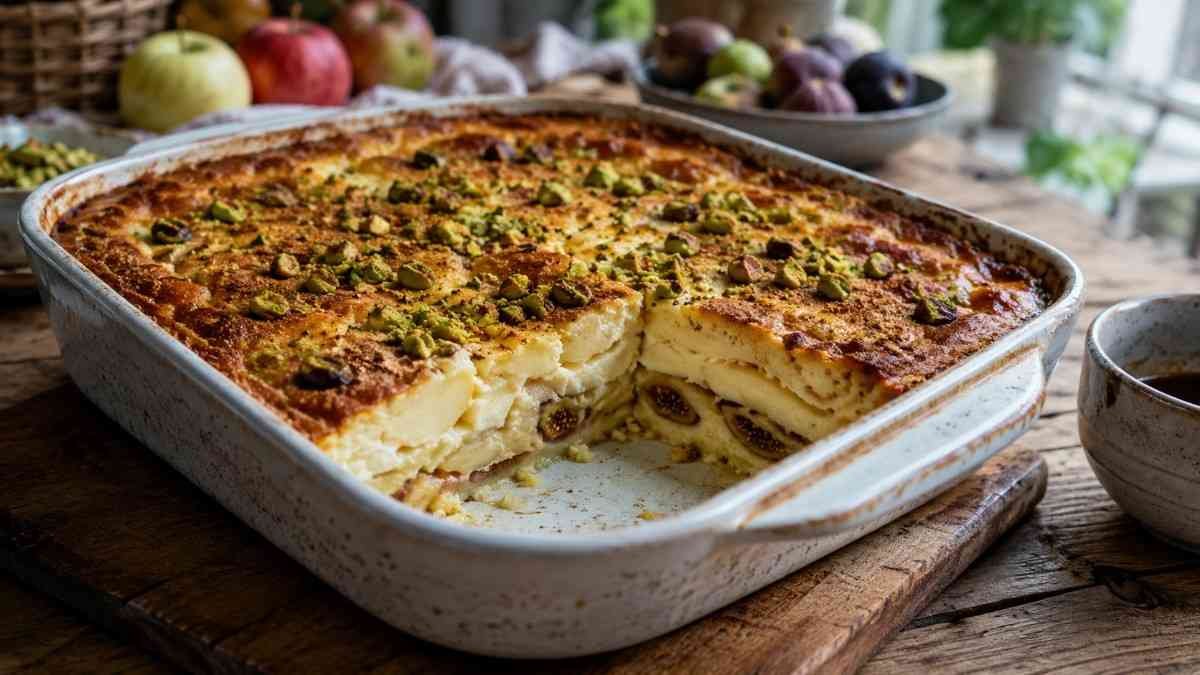
A cozy table feels brighter with a rustic custard and cake dessert cooling near the window. The soft smell of vanilla, warm fruit, and golden cake makes the whole kitchen feel calm and welcoming. This is the kind of dessert that looks homemade in the best way, with creamy custard, tender crumb, and a rustic finish that feels familiar, special, and perfect for sharing.
Key Takeaways
- This dessert blends sponge-like cake with creamy baked custard.
- Fruit, yogurt, honey, and nuts make it rustic and rich.
- French, blueberry, and German styles offer classic inspiration.
- Gentle baking keeps the center soft, smooth, and sliceable.
- Turkish touches add warmth, fragrance, and homestyle charm.
Why Is It Culturally Relevant?
A rustic custard and cake dessert matters because it turns simple ingredients into memorable comfort food. It teaches balance, with cake for structure, custard for creaminess, In rustic baking, it celebrates imperfection. In Turkish cuisine, it echoes milk-based sweets like muhallebi and sütlaç, while still feeling like a tender homemade cake.
But What Makes It Special?
Every bite has contrast, and that keeps it interesting.
Soft Cake Meets Creamy Custard
The cake base is tender and sponge-like, The custard settles into the center, creating a creamy, melt-in-your-mouth texture softer than cake.
The best version is not dry or heavy. It should have golden edges, a gently set middle, and a spoonable richness that tastes comforting without being too sweet.
Fruit Adds Rustic Beauty
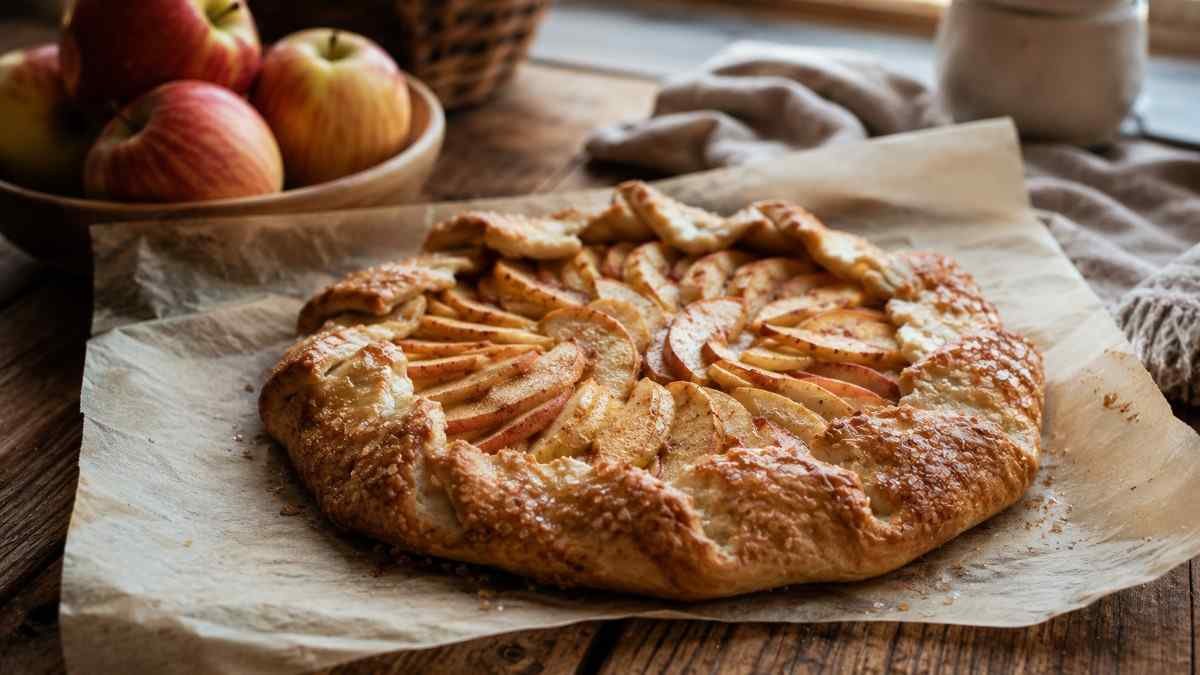
Fresh fruit makes the dessert feel seasonal and honest. Apples, blueberries, cherries, plums, figs, pears, and peaches work well because they soften while baking and release natural sweetness.
Fruit also gives the top a homemade look. Uneven slices, bubbling juices, and caramelized edges make the bake feel inviting.
Turkish Flavors Fit Naturally
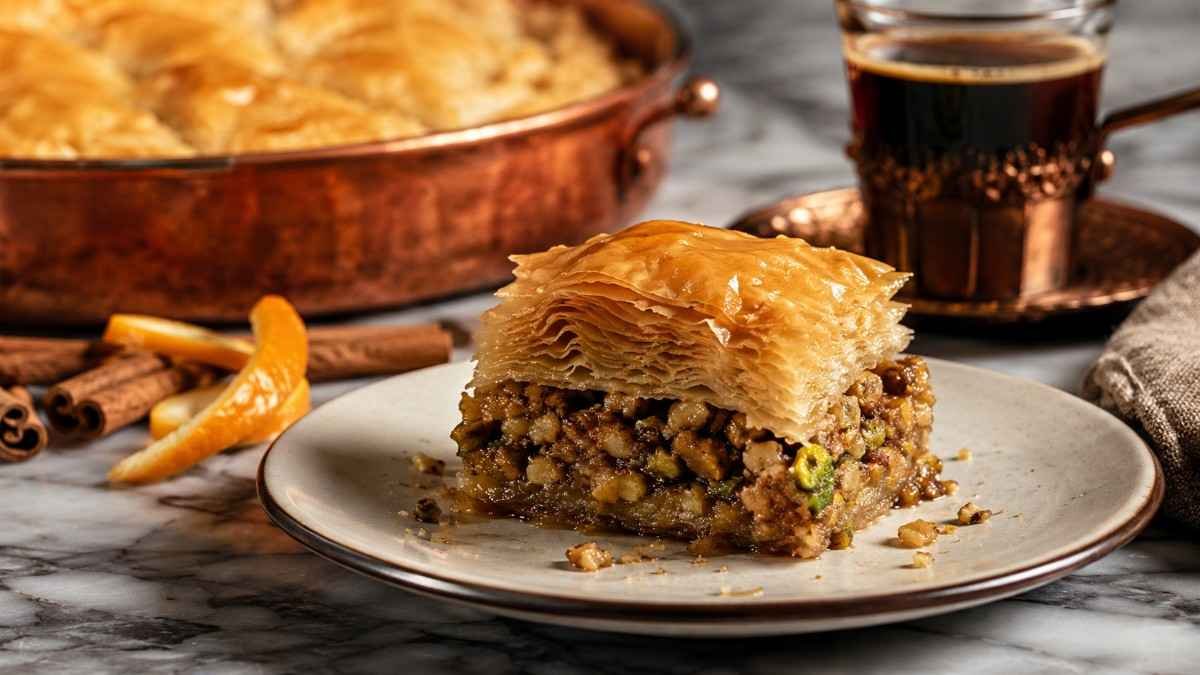
Turkish desert recipes often uses milk, yogurt, semolina, cinnamon, citrus, honey, walnuts, and pistachios. These ingredients slide beautifully into this custard cake style.
Plain yogurt makes the crumb tender. Semolina adds texture, while pistachios, orange zest, or honey give the dessert a Turkish-inspired finish.
Classic Rustic Variations
These three styles explain its roots and easy adaptations.
French Custard Cakes
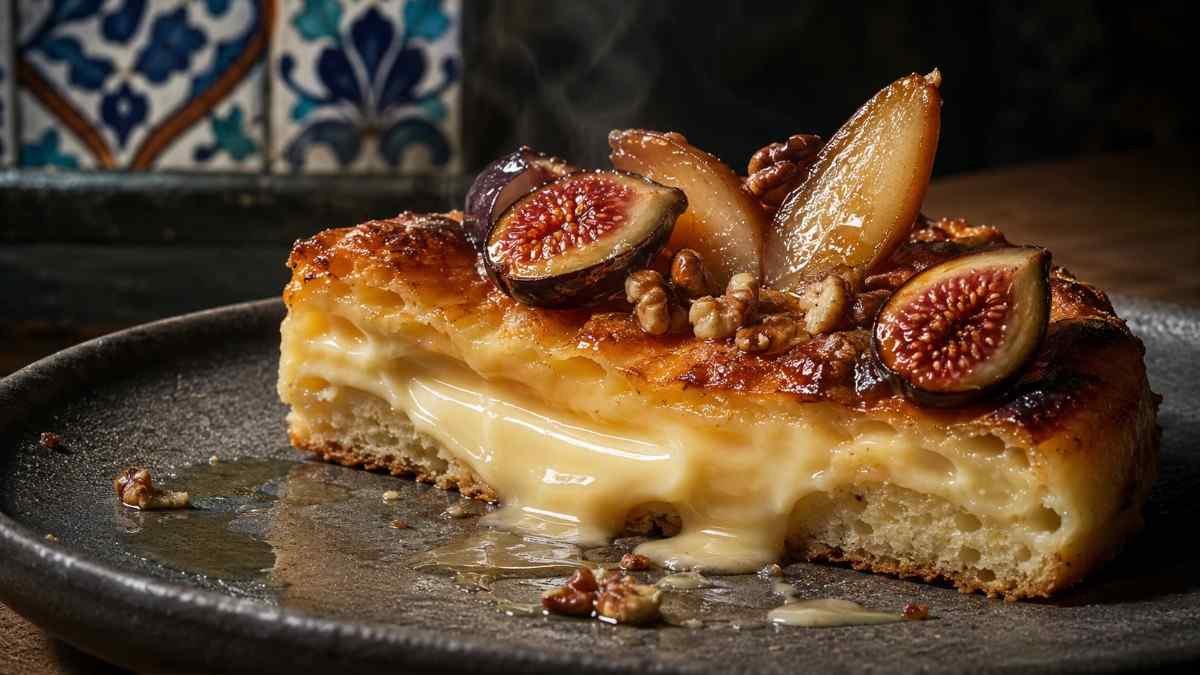
French custard cakes such as Far Breton and clafoutis are classic examples of rustic baking. Far Breton comes from Brittany and bakes into a dense, flan-like cake made with eggs, milk, flour, and sugar.
It is often studded with prunes or raisins and develops a caramelized top. Clafoutis, from Limousin, uses a thin crêpe-like batter that puffs around cherries or seasonal fruit.
Blueberry Custard Cake
Blueberry custard cake is loved because the batter can separate into tender cake and creamy custard layers as it bakes. Some versions use whipped egg whites folded into a milk, flour, sugar, and butter mixture.
The blueberries burst into the custard, adding juicy pockets of flavor. This variation is especially good for spring and summer, though frozen berries work when fresh ones are unavailable.
German Custard Kuchen
German custard kuchen is a Midwestern favorite with European roots. Kuchen simply means cake, but this version often uses a sweet dough or soft crust topped with fruit and pourable custard.
Peaches, apples, plums, or berries are pressed into the custard layer before baking. The result feels hearty, home-baked, and perfect for family gatherings.
How To Make Rustic Custard And Cake Dessert
This how-to keeps the method friendly and practical.
Prepare The Batter
Start by whisking eggs, sugar, vanilla, milk, and plain yogurt until smooth. Add a small amount of flour or semolina, then mix just until the batter looks silky.
Do not overmix, because too much mixing can make the cake base tough. The batter should be loose enough to pour but thick enough to hold fruit.
Add Fruit And Bake

Butter a shallow baking dish, then scatter sliced apples, figs, blueberries, cherries, or peaches across the bottom. Pour the batter over the fruit so it settles into the gaps.
Bake at 325°F to 350°F until the edges are golden and the center has a soft jiggle. A knife should come out with moist crumbs, not liquid.
Finish With Rustic Style
Let the dessert rest before slicing so the custard can settle. Serve it warm for a soft spoon dessert or chill it for neater slices.
For a Turkish Cuisine touch, add pistachios, walnuts, cinnamon, orange zest, or a drizzle of honey. These toppings add aroma, texture, and color.
Tips For Real Kitchens
Small details keep this dessert relaxed and rustic.
Avoid Watery Custard
Watery custard usually comes from too much juicy fruit, underbaking, or cutting too soon. Use firm fruit and avoid piling on more than the batter can hold.
Resting matters. Give the dessert 20 minutes after baking, because the custard continues to firm as it cools.
Keep The Texture Smooth
Custard can curdle if the oven is too hot or the bake stays in too long. Moderate heat is your friend here.
Pull the dish out while the center still trembles slightly. That wobble means the custard is set but still creamy.
Make It Healthier
This dessert can be lighter without losing comfort. Use yogurt for tenderness, fruit for sweetness, and nuts for crunch.
Eggs add protein, fruit adds fiber, and pistachios or walnuts provide healthy fats. It is still dessert, but thoughtful ingredients make it balanced.
Serving And Storage
This bake works for brunch, dessert, or tea time.
Serve It Warm
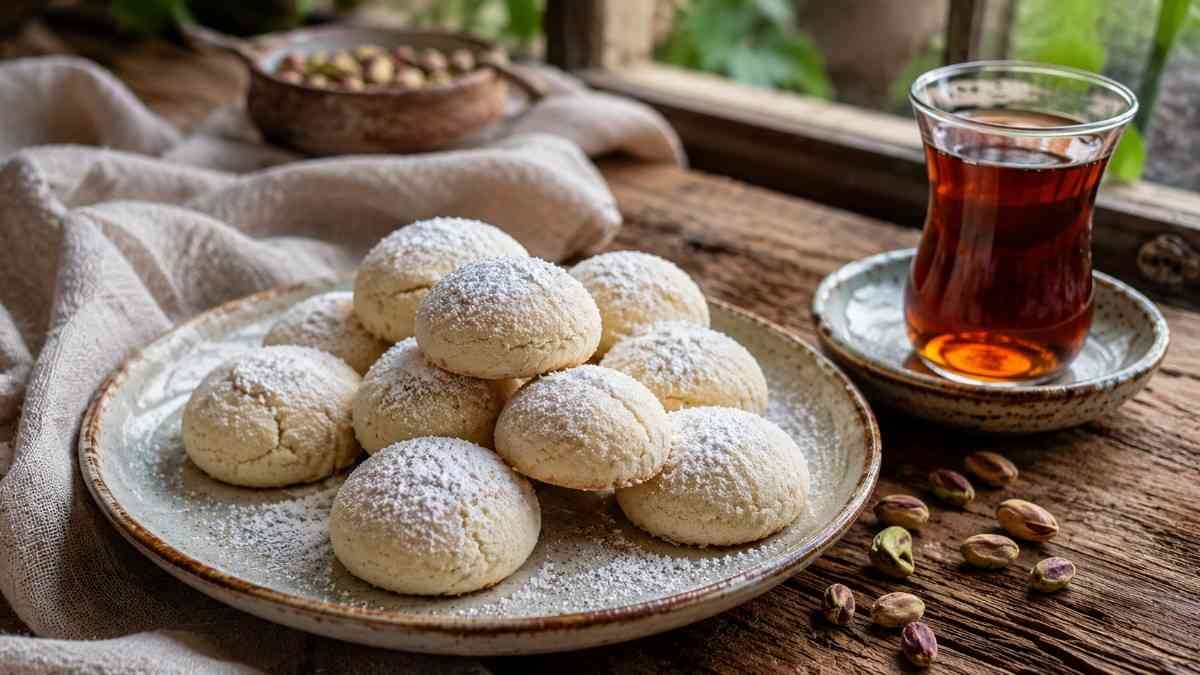
Warm slices are soft, creamy, and cozy. They taste lovely with Turkish tea, coffee, or a spoon of thick yogurt. A little cinnamon on top makes the custard feel warmer and deeper. This is best when you want comfort over clean slices.
You can also try turkish poğaça tarifi at home.
Serve It Chilled
Chilled custard cake slices more neatly and tastes richer the next day. The flavor deepens as the fruit, vanilla, and milk settle together.
This version works well for guests because you can make it ahead. Add nuts or honey just before serving to keep the topping fresh.
Frequently Asked Questions
1. What Is A Baked Custard Dessert Called?
A baked custard dessert may be called flan, crème caramel, custard pie, clafoutis, baked custard, or custard cake, depending on ingredients, texture, pan, and regional tradition.
2. What Are Some Traditional Irish Desserts?
Traditional Irish desserts include apple cake, bread pudding, porter cake, barmbrack, carrageen moss pudding, and soda bread served sweet with butter, jam, honey, or cream.
3. What Layered Dessert Featuring Cake, Custard, And Fruit Became Especially Popular At Parties In The 1960s?
Trifle became especially popular at parties in the 1960s. It usually layers sponge cake, fruit, jelly, custard, and whipped cream in a clear serving bowl.
4. What Are Three Desserts That Are Based On A Baked Custard?
Three baked custard desserts are crème brûlée, flan, and custard pie. Clafoutis, Far Breton, and baked rice pudding also rely on eggs and dairy setting gently in the oven.
Is Rustic Custard And Cake Dessert Served Warm Or Cold?
Rustic custard and cake dessert can be served warm, room temperature, or chilled. Warm is softer and cozier, while chilled gives cleaner slices and a firmer custard texture.
Sweet Spoonfuls To Remember
Rustic custard and cake dessert proves simple food can feel deeply special. With tender cake, creamy custard, fresh fruit, and Turkish-inspired touches like yogurt, honey, cinnamon, and pistachios, it brings comfort without fuss. Serve it after dinner, at tea time, or whenever your table needs something warm, creamy, and beautifully rustic.