

Wholesome Cooking Habits Worth Adopting For Long-Term Wellness
A few years ago, I realized that healthy eating was not really about finding the perfect diet. It was about what happened in the kitchen every day. The meals I prepared, the ingredients I kept on hand, and the small decisions I made while cooking had a much bigger impact on my well-being than any short-term nutrition trend.
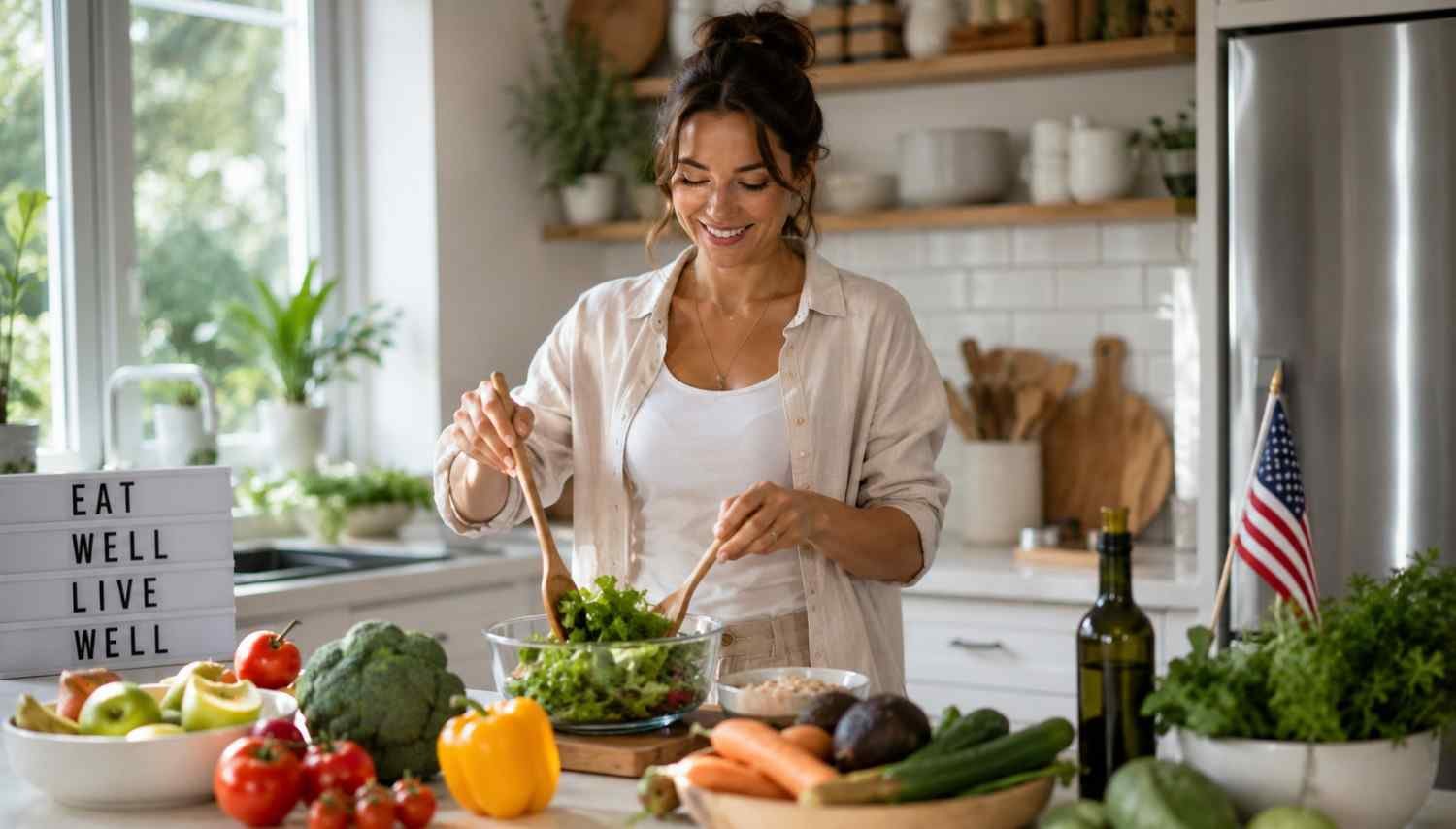
Many people think long-term wellness starts with strict meal plans or complicated recipes. In reality, it often begins with simple, wholesome cooking habits. When cooking becomes a consistent part of your routine, it becomes easier to make healthy food choices, enjoy balanced meals, and build a lifestyle that supports your health for years to come.
Why Wholesome Cooking Habits Matter More Than Occasional Healthy Meals
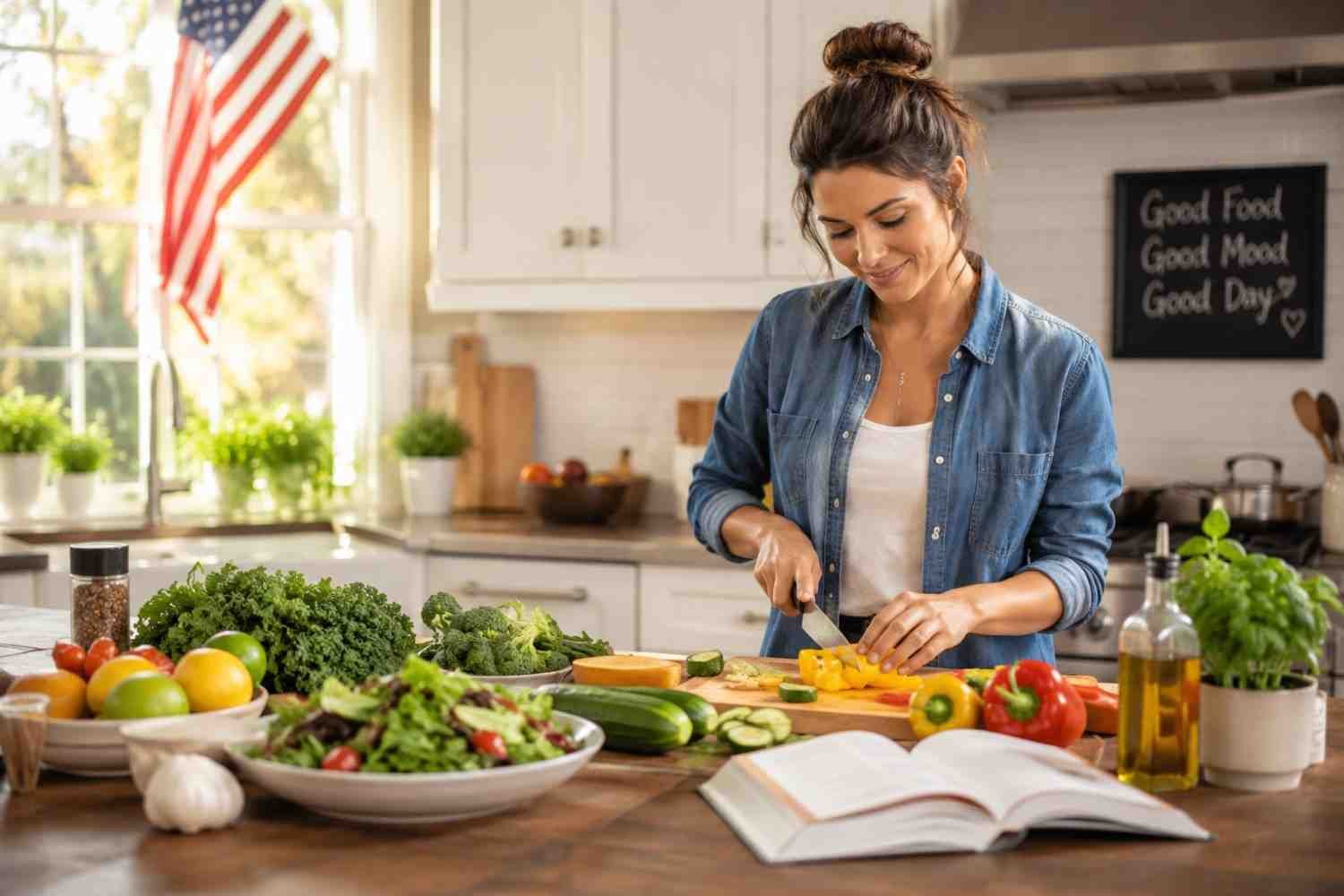
One nutritious meal will not change your health overnight. What matters is the pattern you follow over time. Healthy cooking habits create consistency, and consistency is what drives lasting results.
Cooking at home gives you more control over ingredients, portion sizes, and cooking methods. It also helps reduce reliance on highly processed foods that often contain excessive sodium, added sugars, and unhealthy fats. Over time, small improvements in your kitchen routine can support energy levels, weight management, heart health, and overall wellness.
The goal is not perfection. The goal is to create habits that are realistic enough to maintain even during busy weeks.
Focus On Whole Foods Instead Of Perfect Meals
One of the simplest healthy kitchen habits is choosing foods that look close to their natural form.
Fresh vegetables, fruits, beans, whole grains, nuts, seeds, eggs, and lean proteins provide nutrients that support long-term health. These foods do not need long ingredient lists or complicated preparation methods.
When grocery shopping, try building your meals around whole foods first. Instead of focusing on what to eliminate, focus on what you can add. More vegetables, more fiber-rich foods, and more nutritious ingredients naturally leave less room for heavily processed options.
Many people find that this approach feels less restrictive and far easier to sustain.
Build Flavor Without Relying On Excess Salt Or Sugar
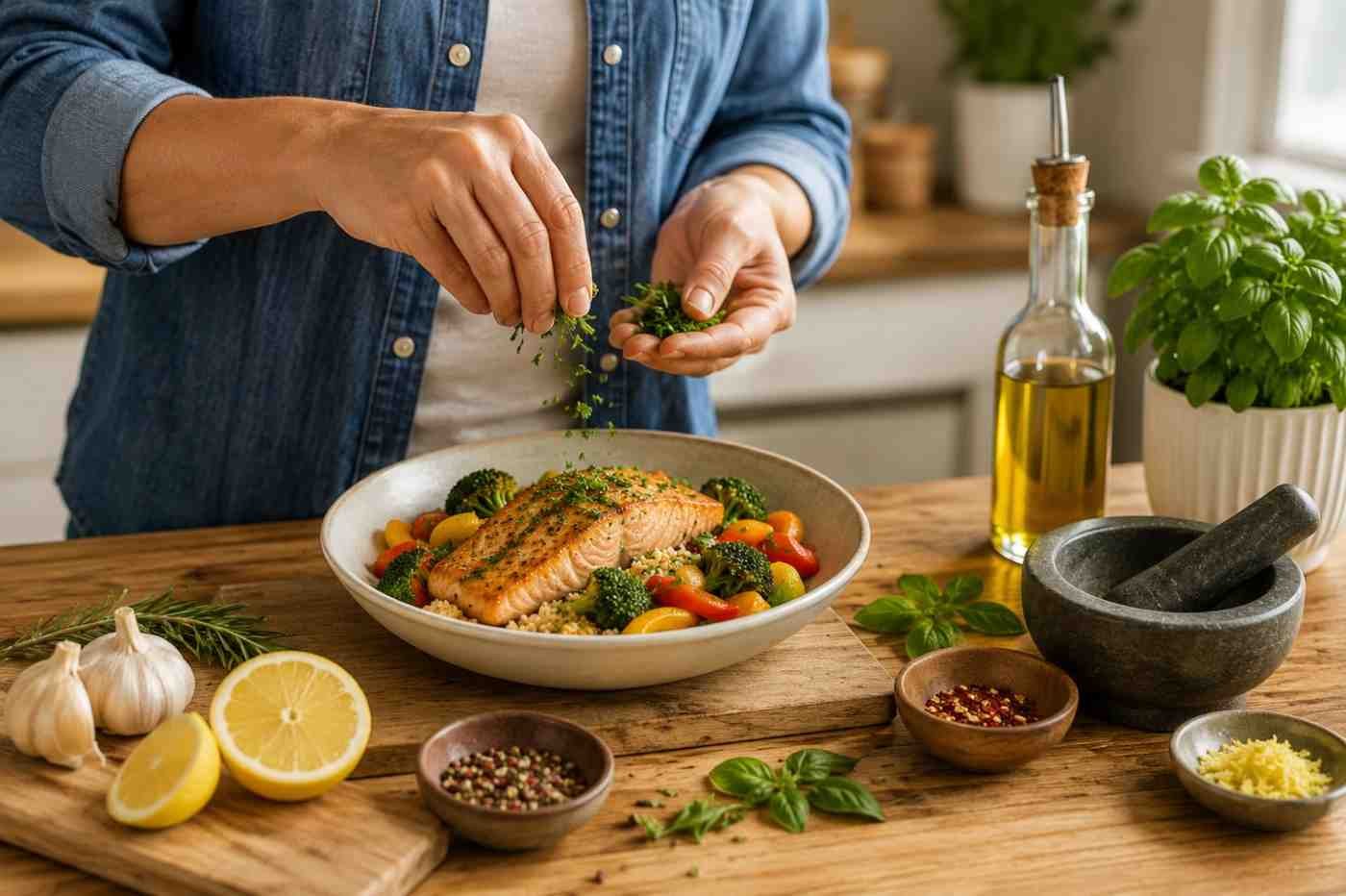
One reason people struggle with healthy meal preparation is the belief that nutritious meals are bland. Fortunately, that is far from true.
Fresh herbs and spices can completely transform everyday dishes. Ingredients such as basil, rosemary, cilantro, turmeric, ginger, and cumin add flavor while contributing beneficial plant compounds.
Fresh citrus juice is another simple addition that brightens meals without adding extra sodium. Lemon and lime work especially well in vegetables, grain bowls, and seafood dishes.
When it comes to fats, quality matters. Stable cooking fats like avocado oil or ghee work well for higher-heat cooking, while extra virgin olive oil is often best used as a finishing ingredient to preserve its flavor and nutritional value.
Choose Cooking Methods That Preserve Nutrition
The way food is prepared can influence both flavor and nutritional quality.
Some cooking methods help retain nutrients while minimizing unnecessary fats and harmful compounds. Others can reduce the nutritional value of otherwise healthy ingredients.
A few methods worth making part of your kitchen routine include:
- Steaming vegetables to help preserve vitamins
- Roasting vegetables to enhance natural sweetness
- Sautéing with small amounts of broth or stock when appropriate
- Slow cooking tougher cuts of protein for improved texture
- Grilling and baking instead of deep frying
Deep-fried foods can be enjoyable occasionally, but relying on them regularly may work against long-term wellness goals. Healthier cooking techniques provide flavor while supporting better nutrition.
Make Meal Prep Practical And Sustainable
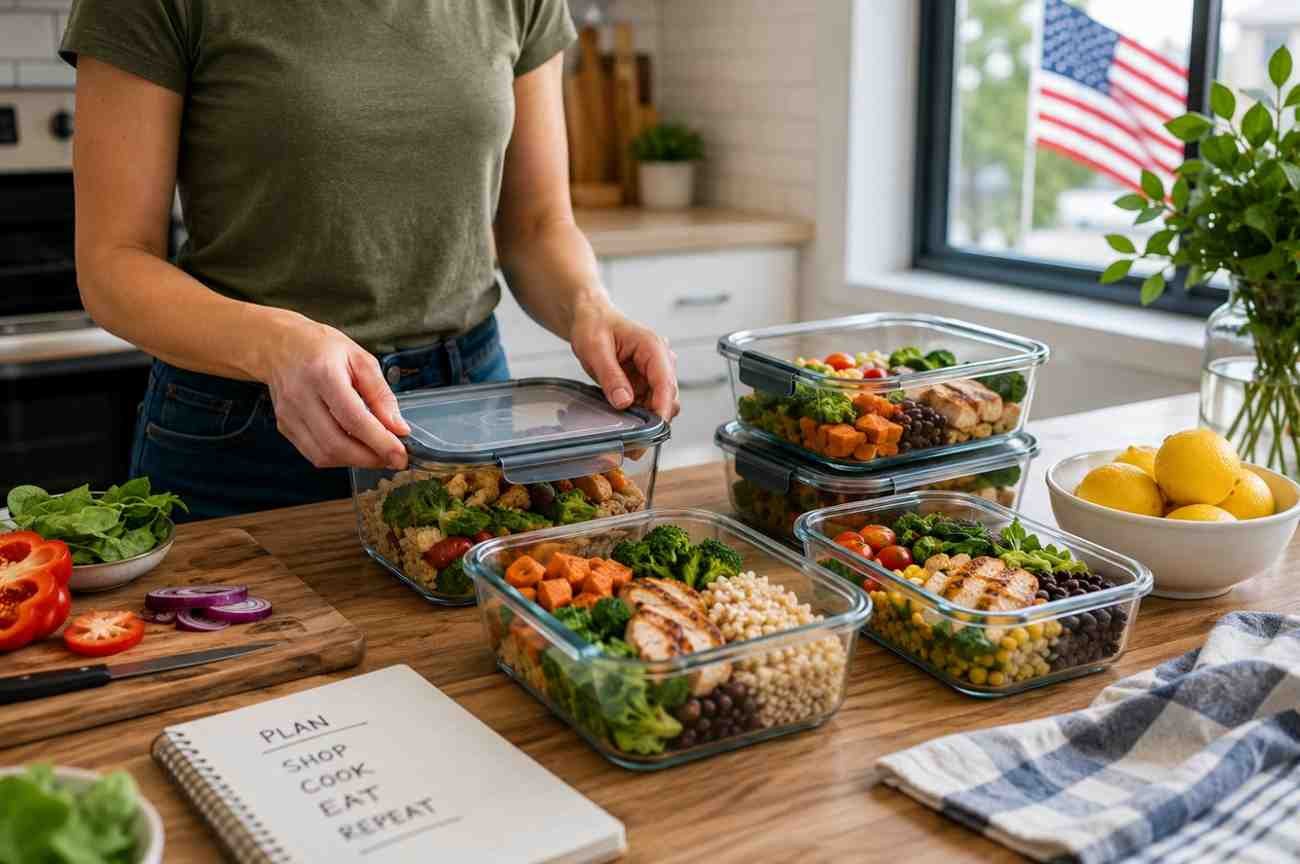
Meal prep often sounds overwhelming because people assume it requires spending an entire weekend cooking.
In reality, successful meal prep habits are usually much simpler.
Start by washing and storing fresh produce as soon as you bring it home. Having clean vegetables ready to use makes healthy eating much more convenient. Batch cooking grains such as brown rice, quinoa, or farro can also save time throughout the week.
Another effective strategy is preparing extra portions during dinner. Those leftovers can become tomorrow’s lunch or a future freezer meal. This reduces decision fatigue and makes it easier to stick with healthy eating habits when life gets busy.
The most sustainable meal planning system is the one you can realistically maintain.
Create A Kitchen Environment That Supports Healthy Choices
Your surroundings influence your habits more than most people realize.
A cluttered kitchen can make cooking feel stressful and exhausting. On the other hand, an organized space often encourages more frequent home cooking.
Simple adjustments can make a noticeable difference:
- Keep frequently used healthy ingredients accessible
- Store prepared fruits and vegetables at eye level
- Display a bowl of fresh fruit on the counter
- Keep nutritious pantry staples stocked
- Clean as you cook whenever possible
These small changes reduce friction and make healthy food choices feel more automatic.
Turn Cooking Into A Mindful Daily Ritual

One of the most overlooked wellness habits is simply slowing down during meal preparation.
Many people approach cooking as another task to finish quickly. Yet preparing food can become a valuable opportunity to disconnect from screens, reduce stress, and become more present.
Listening to music while cooking, enjoying the aroma of fresh herbs, and tasting ingredients throughout the process can transform meal preparation into a more enjoyable experience.
Mindful eating often begins before the meal reaches the table. When you become more connected to how food is prepared, you naturally become more aware of what and how much you eat.
This awareness supports healthier choices without relying on strict food rules.
Common Habits That Can Undermine Long-Term Wellness
Even people with good intentions can develop habits that make healthy eating more difficult.
Skipping meal planning, relying heavily on packaged convenience foods, neglecting vegetables, and constantly eating while distracted can gradually weaken otherwise healthy routines.
Long-term wellness is rarely affected by one unhealthy meal. It is usually shaped by repeated habits that occur day after day.
Paying attention to those patterns can help you identify areas where small improvements may have the greatest impact.
FAQs: Wholesome Cooking Habits Worth Adopting For Long-Term Wellness
1. What are wholesome cooking habits?
Wholesome cooking habits are consistent kitchen practices that prioritize whole foods, nutritious ingredients, balanced meals, and healthier cooking methods that support long-term wellness.
2. Why is cooking at home considered healthier?
Home cooking provides greater control over ingredients, portion sizes, and preparation methods. It also helps reduce dependence on highly processed foods and excessive additives.
3. How can I start meal prepping without feeling overwhelmed?
Start small by washing produce, batch cooking grains, or preparing extra servings at dinner. Simple routines are often easier to maintain than complex meal prep systems.
4. Which cooking method is best for preserving nutrients?
Steaming is often considered one of the best methods for preserving water-soluble vitamins. Roasting, baking, and light sautéing can also help maintain nutritional value when done properly.
Final Thoughts
Long-term wellness is not built through occasional healthy decisions. It is built through the small actions repeated every day. Wholesome cooking habits create a foundation that supports better nutrition, improved energy, and a healthier relationship with food. The most effective habits are rarely dramatic. They are practical, sustainable, and easy enough to continue even when life becomes busy. Over time, those simple routines can shape your health far more than any short-lived nutrition trend.
The best time to improve your cooking habits is with your very next meal. Start small, stay consistent, and allow those habits to grow naturally.